


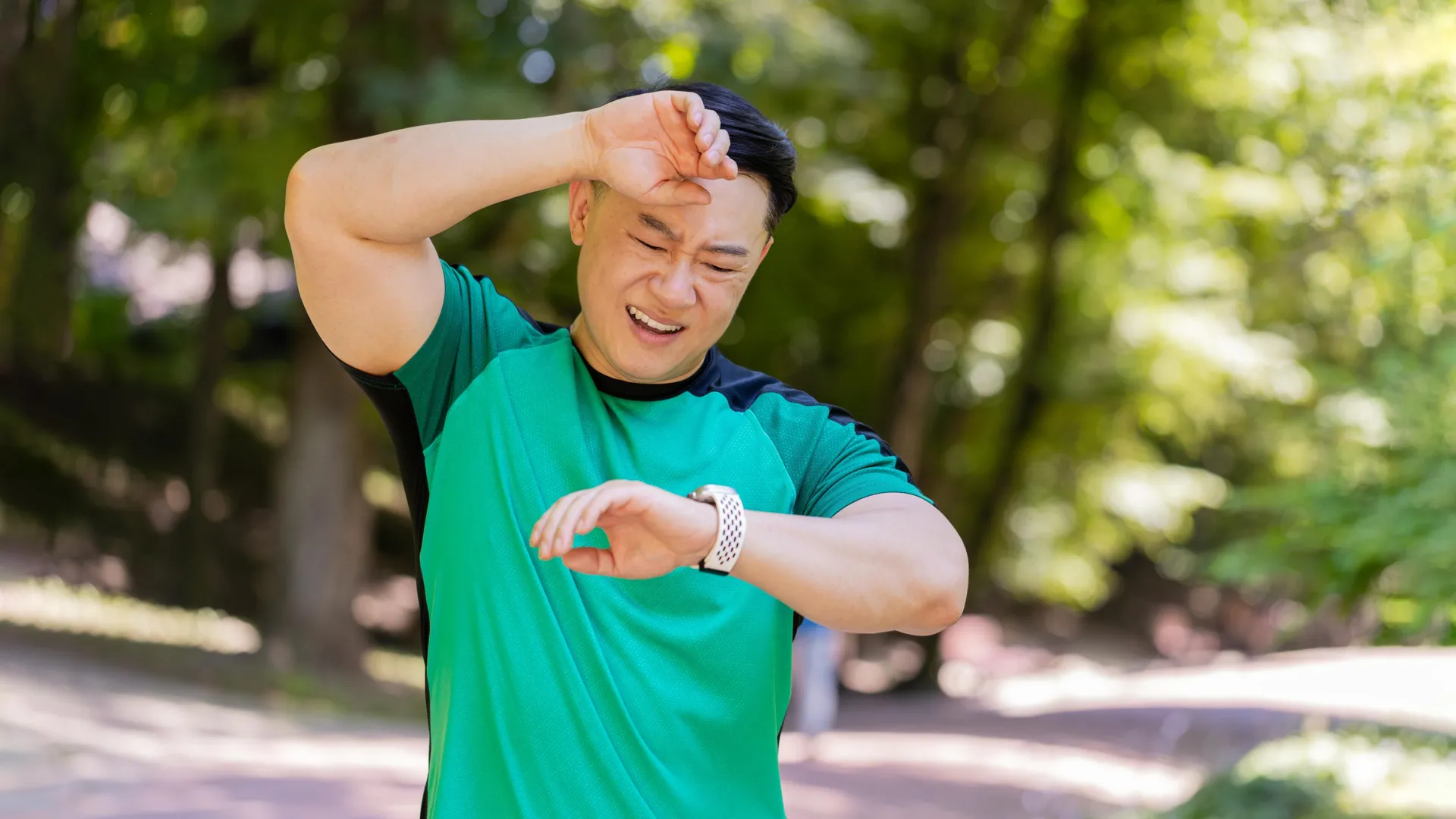
Understanding Physical Fitness Decline: Insights from a 47-Year Study
A long-term investigation by researchers at Karolinska Institutet in Sweden has provided profound insights into how physical abilities change over time. Tracking a cohort over a span of nearly five decades, the study reveals that physical fitness typically begins to decline around age 35, even in those who maintain an active lifestyle.
The Swedish Physical Activity and Fitness Study
This groundbreaking research, published in the Journal of Cachexia, Sarcopenia and Muscle in 2025, is part of the Swedish Physical Activity and Fitness (SPAF) study. The cohort consisted of 427 individuals, both men and women, who were born in 1958. Assessments were conducted at various intervals, starting from age 16 until they reached 63.
Unlike many previous studies, which compared different age groups at a single moment in time, this research uniquely followed the progression of the same individuals over several decades. This approach allowed for a more nuanced understanding of how fitness levels varied within a single population over time.
Key Findings on Physical Performance
The study focused on three primary areas of physical capability: aerobic fitness, muscular endurance, and muscle power. Aerobic fitness is a measure of how well the body uses oxygen during exercise, muscular endurance indicates how long the muscles can sustain activity, and muscle power assesses how quickly force can be generated, which is crucial for tasks such as jumping and climbing stairs.
The results demonstrated that:
- Aerobic fitness and muscular endurance peak between the ages of 26 and 36.
- Physical performance typically begins to decline in the mid-30s, with certain aspects, like explosive muscle power, peaking even earlier.
- By age 63, individuals may experience a reduction in performance ranging from 30% to 48% compared to their peak levels.
This decline applies to both sexes, showcasing that, although individual fitness levels may differ, the rate of decline is comparably similar among men and women.
The Role of Exercise in Mitigating Decline
One of the pivotal findings from the study is that while exercise cannot entirely prevent the age-related decline in physical performance, it can significantly affect how well individuals maintain their abilities. Those who adopted more active routines during adulthood were able to enhance their physical capacity by approximately 5% to 10%.
Additionally, participants with a history of adolescent activity demonstrated a greater ability to retain their fitness, endurance, and muscle power throughout adulthood. “It is never too late to start moving. Our study shows that physical activity can slow the decline in performance, even if it cannot entirely stop it,” states Maria Westerståhl, lead author of the study.
Biological Correlates of Physical Decline
Understanding the biological processes behind this decline remains a focus of ongoing research. Factors such as alterations in muscle cells, changes within the nervous system, and the body’s evolving energy production capabilities are thought to play a role.
One possibility includes changes in mitochondrial function, which can affect how efficiently muscles use energy. Additionally, the loss of muscle mass and reduced responsiveness to growth signals can lead to conditions like sarcopenia, characterized by decreased muscle strength and mass, complicating daily activities.
Connections Between Early Fitness and Long-Term Health
In subsequent research published in 2026 in Scientific Reports, scientists built on the initial findings, exploring how earlier fitness levels correlate with heart health. The study highlighted that individuals with higher aerobic fitness at ages 34 and 52 exhibited less arterial stiffness by age 63—a marker associated with cardiovascular risk.
The Lasting Benefits of Physical Activity
Other studies further emphasize the value of remaining active as one ages. One 2026 study in GeroScience monitored 82 older adults over a period of nine years, finding that although peak aerobic capacity declined by about 19.7%, their overall fitness levels remained high. Most participants performed at or above the 90th percentile for their age compared to reference populations.
Additionally, another study in The American Journal of Medicine examined older men who had not engaged in structured exercise training before. Over four years, those who participated in weekly resistance training saw significant improvements in strength, reinforcing that meaningful gains in physical fitness can occur later in life.
Conclusion: It’s Never Too Late to Enhance Fitness
As the researchers continue their studies, including plans for follow-up assessments when participants reach age 68, the evidence establishes a clear differentiation between aging and physical inactivity. Although some reduction in physical capacities may be an inherent aspect of aging, remaining active can greatly influence the degree of this decline.
Regardless of when one starts exercising—whether in their 30s, 50s, or beyond—the potential to enhance physical performance and maintain a healthy, independent lifestyle remains viable. Emphasizing the benefits of regular activity is key to navigating the inevitable changes that come with age.
