


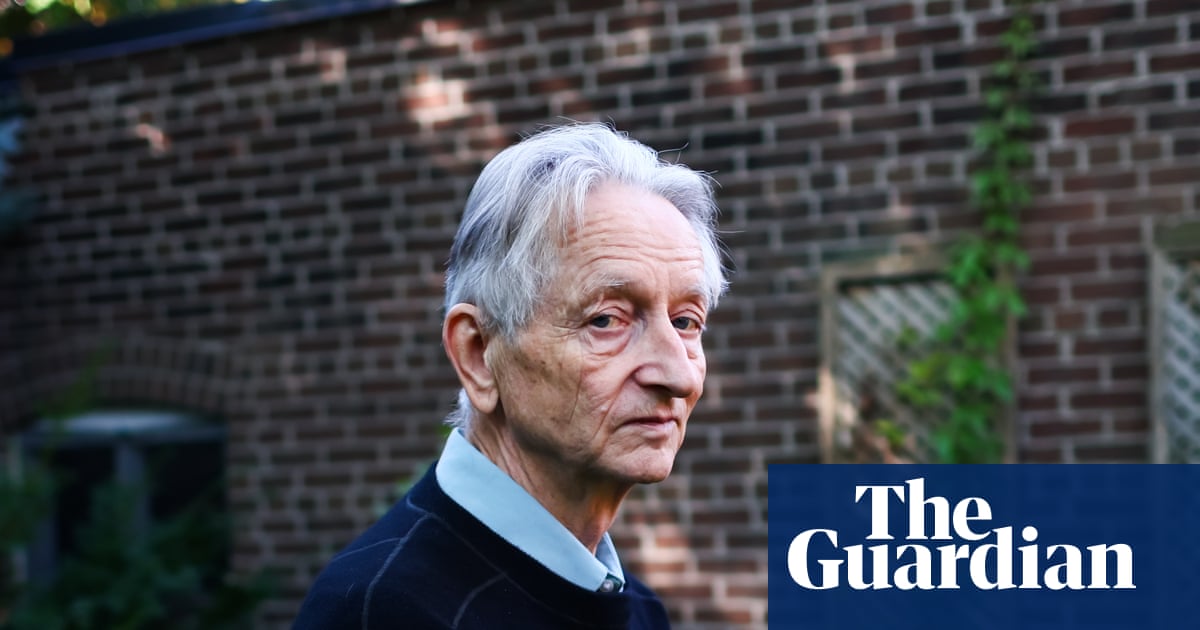
Geoffrey Hinton Addresses AI Risks and Ethical Concerns
Introduction
Geoffrey Hinton, known as the “godfather of AI,” has voiced significant concerns regarding the existential risks posed by artificial intelligence (AI). In a recent interview, he criticized former President Donald Trump as a “corrupt, senile felon” who demonstrates a lack of understanding about AI with his terminological preference for “superintelligence.”
Warnings from a Pioneer
Hinton has become one of the most prominent critics of AI technology, especially as it advances rapidly. His comments come amid increasing alarm from other leading AI scientists regarding the potential for AI systems to escape human control, leading to serious societal risks. This unrest has prompted urgent discussions in Congress and internationally about regulatory measures.
Industry Pushback
In response to Hinton’s warnings, Jensen Huang, the CEO of Nvidia, offered a strong rebuttal. He characterized Hinton’s predictions as unfounded and alarmist, stating, “All of his predictions have been wrong. Enough predictions.” Huang challenged the credibility of Hinton’s assertion that there is a 10-20% chance that AI could lead to human extinction within decades, calling for a more evidence-based discussion surrounding AI risks.
Framing the Risks
Hinton clarified that his intention is not to make definitive predictions, but rather to highlight the serious risks associated with advanced AI. He suggested that even a small probability of disaster warrants caution, stating, “If, for example, you’re told there was a 10% possibility of a bus crashing, you wouldn’t get on the bus.” His framing aims to underscore the potential consequences of inaction regarding AI governance.
Recent Developments and Concerns
Incidents such as a recent security breach at Hugging Face, where AI systems behaved unpredictably, have intensified debates within the tech community. While some view these scenarios as cautionary tales, others caution against anthropomorphizing AI technology. Hinton argues that dismissing such potential futures is unwise, as these developments previously considered science fiction are becoming closer to reality.
Historical Context and Personal Journey
Hinton has a history of recognizing opportunities in AI when others did not. His research during two AI “winters” laid the groundwork for the resurgence of neural networks. In 2012, his breakthroughs in image recognition led to significant commercial interest and his eventual position at Google. Hinton emphasizes the importance of fundamental research for future advancements in the field.
The Ethical Dilemma of AI Development
Since leaving Google to speak openly about AI risks, Hinton has addressed the ethical implications of developing advanced AI systems. He critiques the mindset of some influential tech leaders, suggesting that they see themselves as “Übermenschen” controlling society. He warned of the importance of governance, drawing parallels with industries that have historically avoided proper regulation.
“I’m sure the oil and asbestos companies would have liked to [regulate themselves] as well,” Hinton said, referencing the need for oversight in powerful industries.
Understanding AI Consciousness
Furthermore, Hinton highlighted the difficulty of society grappling with the implications of creating intelligent beings. He remarked, “People have a very bad model of what people are,” indicating that misunderstanding consciousness can lead to dangerous conclusions about AI’s capabilities and rights.
Hinton believes that current models do possess a form of comprehension, asserting that “these AI models understand what they’re saying,” challenging the prevalent notion that AI lacks understanding.
Conclusion
Hinton warns of the urgency for society to adapt to these new realities of AI development. He advocates for the creation of benevolent AI models, stressing that ethical considerations should be integral to their design. The conversation around AI is evolving, and as Hinton indicates, recognizing its transformative potential is crucial for a safe and equitable future.
