


Bayer Agrees to $7.25 Billion Settlement in Roundup Cancer Claims
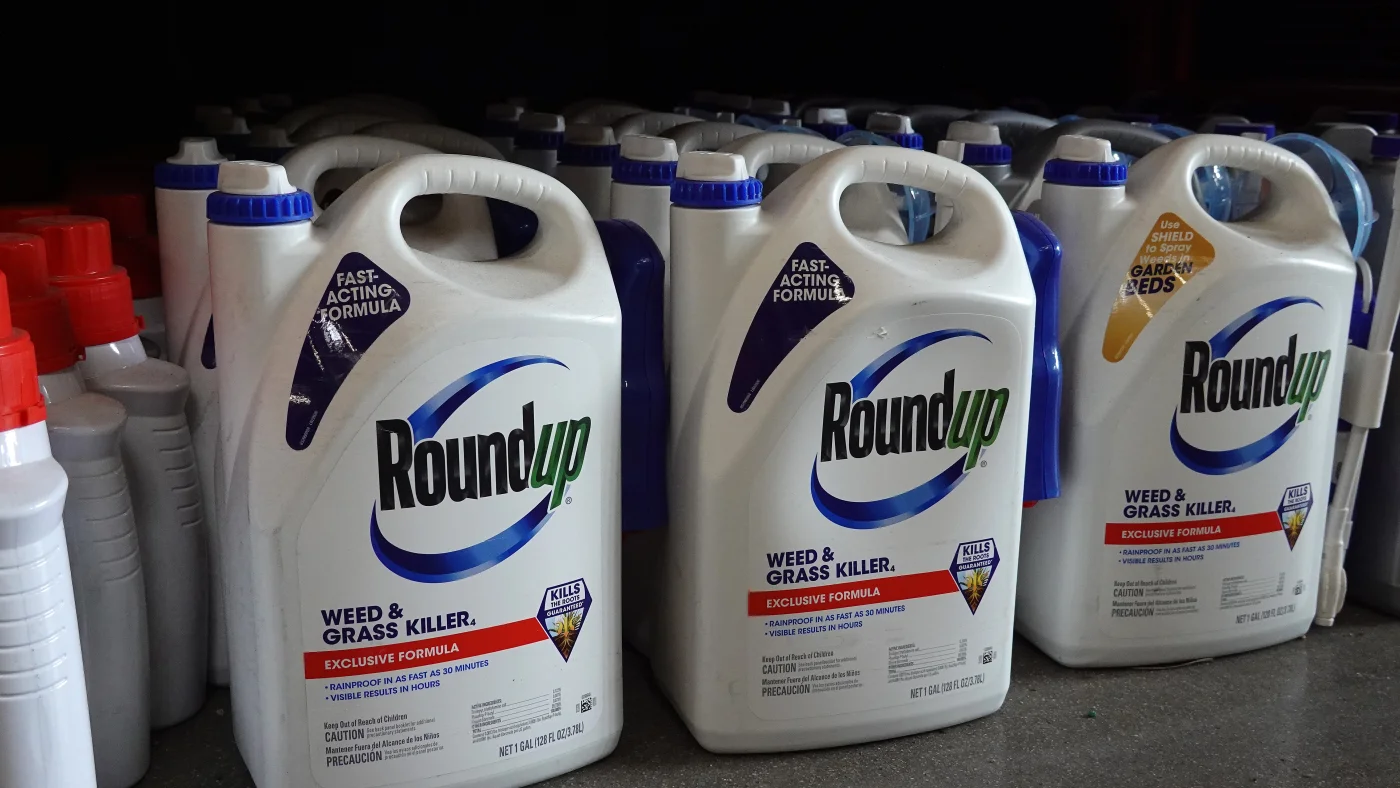
Bottles of Roundup weed killer displayed on a shelf at a Home Depot store on June 25, 2026, in North Hollywood, California.
Credit: Justin Sullivan/Getty Images North America
The agrochemical and biotechnology corporation Bayer has finalized a massive settlement agreement related to the herbicide Roundup, which has been implicated in cancer claims. Following a ruling from a Missouri judge, Bayer is expected to pay up to $7.25 billion to resolve lawsuits alleging that exposure to Roundup contributed to several cases of non-Hodgkin lymphoma.
Details of the Settlement
This settlement aims to provide compensation for thousands of individuals affected by non-Hodgkin lymphoma, a type of blood cancer. Compensation amounts under the agreement will range from $10,000 to $165,000, depending on factors such as occupational exposure to glyphosate—the active ingredient in Roundup—and the age of diagnosis.
Company Statements and Historical Context
Bayer’s CEO, Bill Anderson, characterized the settlement as a “decisive milestone” that addresses legal uncertainties and anticipated future claims. Judge Timothy Boyer noted that this settlement ranks among the largest in mass tort personal injury class actions.
Previously, Bayer had agreed to pay roughly $10 billion to settle over 100,000 Roundup-related lawsuits, stemming from allegations of the product’s carcinogenic effects. This agreement follows the World Health Organization’s 2015 classification of glyphosate as “probably carcinogenic to humans,” a conclusion that has been supported by multiple scientists.
Legal Background and Current Developments
Despite allegations against its product, Bayer has consistently denied that Roundup causes cancer. Moreover, the Environmental Protection Agency (EPA) has previously found no significant cancer risk associated with glyphosate use, although it is currently reassessing these claims amid growing pressure from health advocates and researchers.
Importantly, earlier this year, the U.S. Supreme Court ruling favored Bayer regarding certain state-level lawsuits, asserting that the company could be shielded from liability claims that challenge its notifications about glyphosate’s potential risks.
Public Reaction and Future Implications
Responding to the outcome, plaintiff attorney Christopher Seeger expressed that the finalized settlement marks a significant victory for those seeking justice, stating, “Today’s final approval order delivers guaranteed compensation to Roundup cancer victims who have waited more than a decade for justice.”
Though the settlement represents a critical step for affected individuals, concerns surrounding glyphosate’s safety continue to be a major issue in public health discussions. Advocates, including Health Secretary Robert F. Kennedy Jr., emphasize the need for stricter regulation and transparency regarding glyphosate use, especially in agricultural settings, where the chemical remains prevalent after Bayer removed it from consumer products.
Conclusion
Bayer’s settlement regarding Roundup serves as a pivotal moment in ongoing debates over pesticide safety and corporate responsibility. As environmental and health advocates continue to scrutinize the implications of glyphosate, the future of agricultural practices and regulatory frameworks remains uncertain.
