


The Future of Coastal Living Amid Climate Change
Growing Concerns Over Coastal Vulnerability
As climate change accelerates, residents and experts are increasingly apprehensive about the viability of coastal living. The beauty of seaside locations draws many people in, yet it raises critical questions about risk management and infrastructural resilience. “We love to live in these vulnerable places because they are beautiful,” noted local resident Gallien. He further stressed that the core issue revolves around the risk tolerance of homeowners, communities, and municipalities, as well as the effectiveness of engineering solutions in safeguarding coastal structures.
Historic Coastal Erosion Events and Their Impact
The ongoing coastal erosion in California has reached unprecedented levels, causing extensive damage. However, historical precedents exist; similar flooding incidents have been documented during previous El Niño events, particularly in the mid-1980s and late 1990s.
Recent Developments on the Long Beach Peninsula
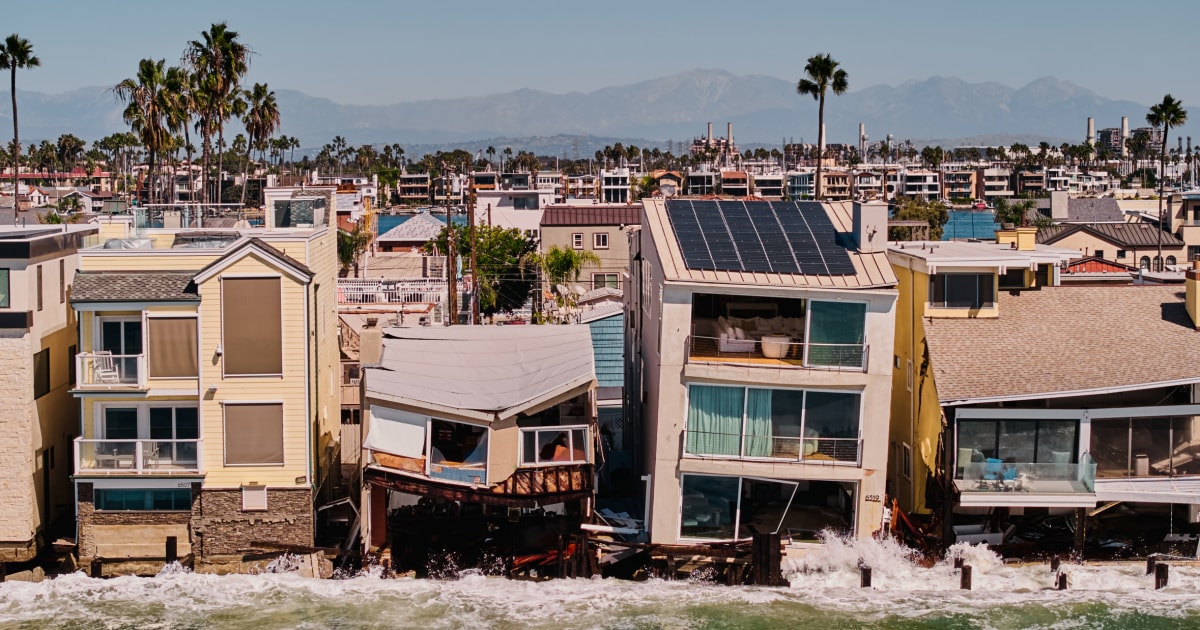
Significant destruction was observed on the Long Beach Peninsula when remnants of Tropical Storm Rachel led to waves towering at 17 feet, resulting in the loss of over a dozen homes. Between October 9 and 11, several structures collapsed into the ocean, with eight homes declared hazardous and unsafe for entry.
Personal Accounts of Loss and Resilience
Curtis, a resident whose apartment faced collapse, described the serene sound of the surf that once greeted him each morning. Faced with an emergency, he and his roommate acted quickly to move belongings to safer areas as their home deteriorated. Curtis recounted climbing through his bedroom window with his dog, Lux, to escape, only to later see footage of his prized couch drifting in the ocean.
Displacements and Vacant Homes
Neighbors experienced similar fates. A nearby home, occupied by a family of three, suffered severe structural damage while its owners were on vacation. A visible crack, which could potentially split the house in two, raised further concerns about ongoing safety. Curtis expressed empathy for his neighbors and noted there was little they could do in the face of nature’s fury.
Conclusion
The challenges posed by climate change, particularly for those living in coastal areas, are becoming increasingly pressing. As communities grapple with the reality of rising sea levels and extreme weather, the question remains: for how much longer will coastal living remain viable?
