


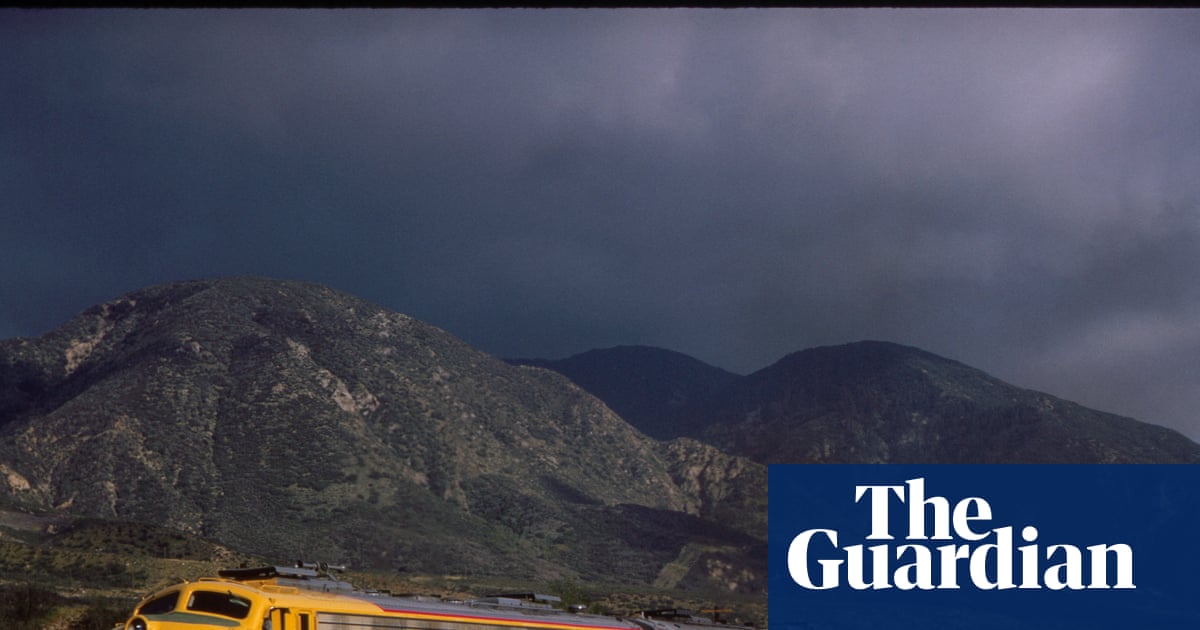
Modern-Day Train Robbers Charged in Southern California
In a striking case reminiscent of the notorious train heists of the Old West, fourteen individuals in Southern California face serious charges related to the theft of more than $22 million worth of merchandise from moving freight trains. The U.S. Justice Department has announced railroad theft charges against the group implicated in a series of daring raids.
Overview of the Scheme
Authorities allege the group, nicknamed “Los Trenes” (Spanish for “the trains”), orchestrated a scheme that involved the burglary of at least 36 freight trains between 2024 and 2026. Their operations included the theft of thousands of Nike sneakers and various other products, which were subsequently sold on the black market. First Assistant U.S. Attorney Bill Essayli remarked, “The scale of the theft is staggering.”
Key Figures
The alleged mastermind behind this operation is Nathan Daniel Angel, 21, who was reportedly the leader of the crew. The indictment documents do not indicate whether Angel or any of the other defendants have retained legal counsel. Among his associates are familial connections, including his father and two uncles.
Execution of the Heists
Details of the thefts reveal a consistent methodology. Members of the operation would hide aboard moving freight trains, with some serving as lookouts while others executed the thefts. By intentionally slashing the train’s air hose, they would create a sudden loss of air pressure, which would force the train to make an emergency stop. This dangerous maneuver poses significant risks, including potential derailment.
Once the trains were halted, the crew would quickly unload valuable goods, which were then stashed at various locations across Southern California. In a revealing moment, Angel even took a selfie in front of boxes filled with Nike merchandise, as presented in court evidence from February 2024.
Escalation and Law Enforcement Response
As the operations continued, law enforcement began to take notice. In October 2024, Donta Hedgeman, 27, was recorded on video sawing through a lock on a container of a moving freight train filled with Nike products. By 2025, the group appeared to accelerate their heists despite growing law enforcement scrutiny. A communication exchange between members hinted at increasing tension and concern over potential arrests.
For example, on April 17, 2025, an unidentified conspirator texted 23-year-old Carlos Luis Fernando Martinez about being arrested for handling stolen goods, which prompted Martinez to suggest using an encrypted messaging app for further discussions, reflecting their awareness of the situation’s gravity.
Recent Developments
Despite the mounting pressures from law enforcement, the crew did not waver. They continued their thieving spree, culminating in a significant robbery of 1,170 tools and 17,000 parts from Milwaukee Tool just days after the aforementioned texting incident. In July 2026, Angel Sanchez, 24, shared an AI-generated image depicting the group in a sensationalized style, showcasing their audacious actions in a visually glamorized manner.
On January 16, 2026, the group’s activities were disrupted by law enforcement when a member was caught buying and receiving stolen property. This prompted discussions among the remaining conspirators about the implications of being caught, reflecting the growing risk of their planned operations.
Potential Consequences
The charges filed against the group are severe, with prosecutors confirming that if convicted of the conspiracy charge, the defendants could face a minimum of five years in prison. The theft of interstate railroad goods carries a maximum sentence of 10 years. Furthermore, a conviction for violence against railroad carriers could lead to life imprisonment.
Conclusion
This case serves as a reminder of the lengths individuals might go to exploit modern supply chains, drawing unsettling parallels to the criminal folklore of America’s past. Nathan Hochman, the Los Angeles County District Attorney, underscored the commitment to protecting vital supply lines: “We are determined to protect this vital supply chain and ensure that goods reach their intended destinations, not the black market.” As the legal processes unfold, the case stands as a significant example of contemporary challenges in law enforcement’s fight against organized crime.
