


California Woman Arrested for Alleged Espionage Related to Taiwanese Official
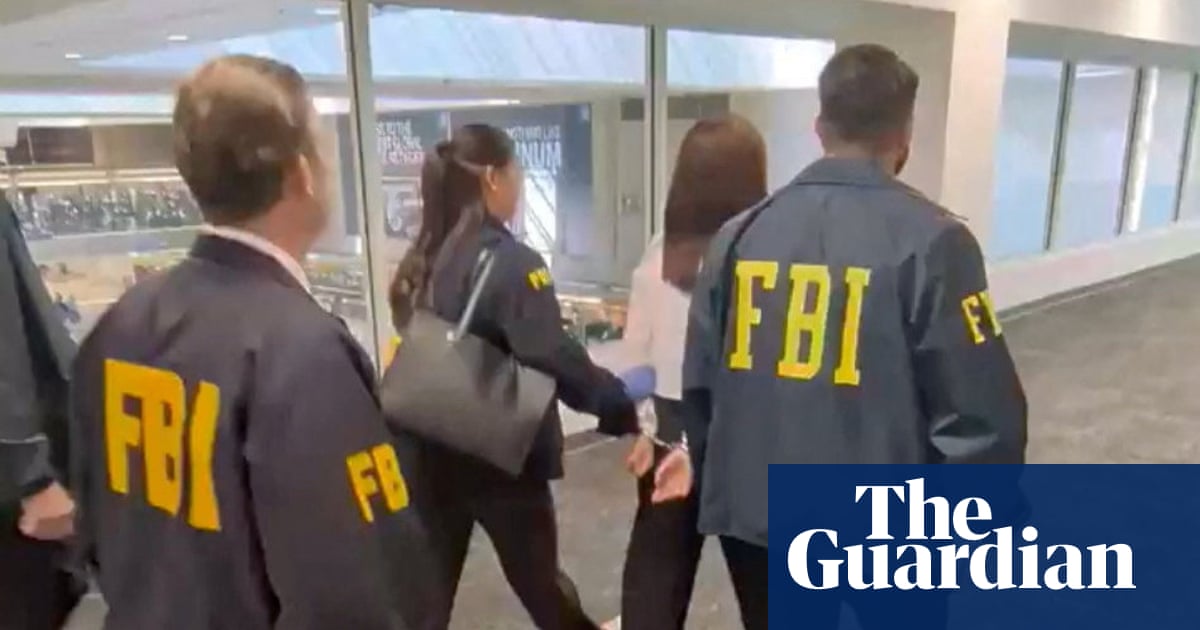
US authorities have arrested a woman from California, identified as Wanying Zhang (also known as Heather), who is accused of spying on the son of Taiwan’s president. The Federal Bureau of Investigation (FBI) apprehended the 34-year-old at Los Angeles International Airport on Sunday as she was preparing to depart for China.
Charges and Allegations
Wanying Zhang, a resident of Irvine, California, faces charges for allegedly serving as an unregistered foreign agent. According to the FBI, she conducted surveillance on Lai Ting-yu, the American resident son of Taiwanese President Lai Ching-te. While the FBI did not initially disclose the name of the individual being monitored, subsequent reports confirmed Zhang’s target.
Response from Taiwanese Authorities
Taiwan’s presidential office condemned Zhang’s actions, describing them as a typical case of “transnational repression.” Spokesperson Karen Kuo expressed gratitude toward the US government for its efforts to protect Taiwanese citizens, stating, “Our country expresses the strongest condemnation of such barbaric conduct that disregards human rights and the sovereignty of nations.”
Details of the Allegations
The Justice Department claims that Zhang was directed by Chinese officials to travel to Seattle, where she collected photographs, videos, and license plate information pertaining to Lai Ting-yu and his family. She allegedly employed tradecraft methods to evade detection and failed to inform US authorities of her activities on behalf of a foreign government, according to Bill Essayli, the first assistant US attorney for the Central District of California.
Next Steps in Legal Proceedings
It remains unclear if Zhang has secured legal representation. She is scheduled to appear in a federal court in Los Angeles on Monday to face the charges.
Context of Taiwan-China Relations
The political landscape surrounding Taiwan and China is complex, with President Lai Ching-te and the Democratic Progressive Party advocating for Taiwan’s distinct identity. This position often provokes strong reactions from Beijing, which regards Taiwan as part of its territory. Although the US does not have formal diplomatic ties with Taiwan, it is recognized as the island’s primary international ally and supplier of military resources.
As this situation unfolds, both domestic and international observers are closely monitoring the implications for US-China relations and Taiwan’s security.
