


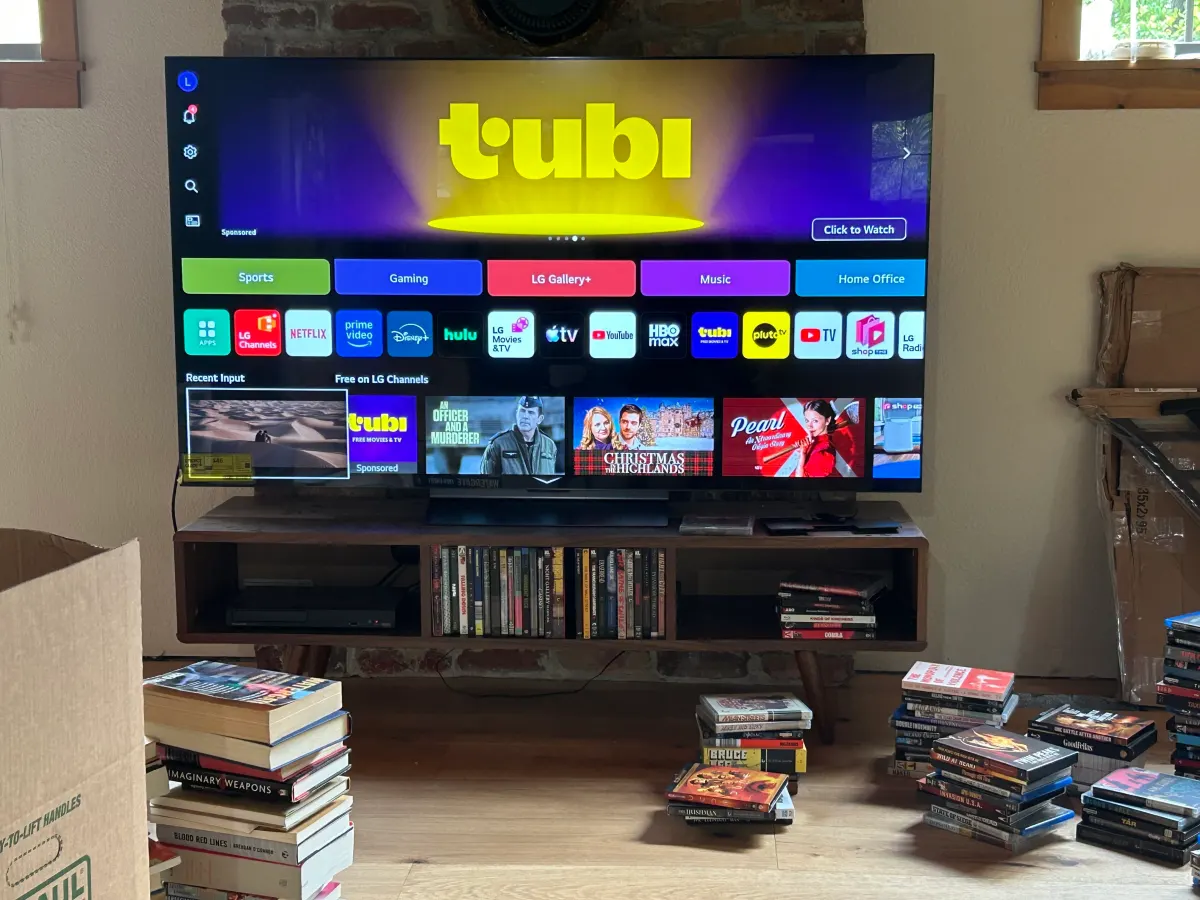
Can a TV Be Too Large? An In-Depth Examination
Introduction
As television technology advances, consumers are increasingly drawn to larger screens. However, the question arises: can a TV be too large for your living space? This article explores the implications of oversized televisions and offers guidance on selecting an appropriate size for optimum viewing experience.
Understanding Viewing Distance
One of the critical aspects of determining the appropriate TV size is the viewing distance—the space between where viewers sit and the screen itself. Experts recommend that this distance varies according to the resolution of the television:
- For HD televisions, the ideal viewing distance is approximately 1.5 to 2.5 times the TV’s diagonal screen size.
- For 4K TVs, this distance can be reduced to 1 to 1.5 times the screen size, allowing for a closer viewing experience without a decline in image quality.
For instance, a 65-inch HD television would require viewers to sit between 8 to 13.5 feet away, while the same size in 4K can be enjoyed from as close as 5.4 feet.
Size Perception in Different Spaces
The physical dimensions of a room can greatly influence how a TV’s size is perceived. Key factors to consider include:
- Room Dimensions: A larger room can accommodate bigger screens without overwhelming the space.
- Ceiling Height: Higher ceilings can give the illusion of more space, allowing for larger TVs.
- Furniture Arrangement: The layout should promote comfortable viewing angles and prevent obstructed views.
In smaller rooms, opting for a smaller TV can enhance the viewing experience by preventing visual clutter.
Audio-Visual Balance
A larger screen often necessitates a corresponding investment in audio equipment. To fully appreciate high-resolution content, a sound system that complements the visuals is crucial. Balancing screen size with adequate audio options ensures an immersive viewing experience without compromising the overall aesthetics of the room.
Potential Downsides of Oversized TVs
While larger televisions can enhance the viewing experience, several drawbacks should be noted:
- Physical Space: Oversized TVs can dominate a room, making it feel cramped and reducing functionality.
- Eye Strain: Sitting too close to a large screen may lead to discomfort and visual fatigue over time.
- Cost: Larger screens usually come with a higher price tag, both in terms of purchase and installation.
Conclusion
In summary, while larger televisions have their benefits, it’s essential to match them with the appropriate viewing distance and room dimensions to achieve the best experience. By considering all factors—including the balance of screen size, room layout, and audio components—consumers can make informed decisions that enhance their viewing pleasure without overwhelming their space.
