


Supreme Court Upholds Quebec’s Bill 21: Implications for the Charter of Rights
In a significant decision, the Supreme Court of Canada has upheld Bill 21, a controversial Quebec law that restricts public servants from wearing religious symbols while on duty. The ruling clarifies the extent to which provinces can enact laws utilizing the notwithstanding clause outlined in Section 33 of the Canadian Charter of Rights and Freedoms, allowing governments to circumvent Charter rights temporarily.
The Ruling and Its Significance
The Supreme Court’s majority decision confirms that most provisions of Bill 21 are constitutional, save for a specific clause prohibiting members of the legislature from wearing religious symbols. Chief Justice Richard Wagner noted that it is not within the judiciary’s purview to assess the legitimacy of legislative policies or the appropriateness of invoking the notwithstanding clause.
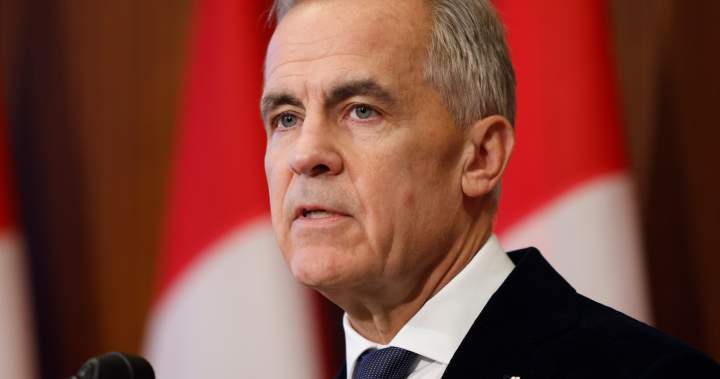
In response to the ruling, Prime Minister Mark Carney stated, “We will not use the notwithstanding clause,” reinforcing the federal government’s commitment to upholding the Charter of Rights and Freedoms without resorting to its overrides.
Government Reactions
While the federal government’s position is to respect the courts and the constitutional framework, Justice Minister Sean Fraser reiterated that the government is currently reviewing the decision. “Our government is unwavering in its commitment to upholding the Constitution and the Charter of Rights and Freedoms,” he said, emphasizing the importance of protecting the rights of Canadians while respecting the judiciary’s independence.
Legal Implications of Bill 21
Passed in 2019, Bill 21 prohibits public sector employees—including teachers and police officers—from wearing religious symbols, such as hijabs and turbans. Following the court’s decision, critics argue that the ruling complicates the already challenging landscape of Charter protections. The National Council of Canadian Muslims expressed concerns, stating the ruling creates an environment wherein basic rights can be overlooked due to popular sentiment.
Howard Sapers, the executive director of the Canadian Civil Liberties Association, expressed disappointment over the verdict, highlighting that the law disproportionately affects visible minorities and limits their professional opportunities.
Potential Broader Ramifications
Experts predict that this ruling may set a precedent for how the notwithstanding clause is applied across Canada, with several provinces having invoked it for various legislative measures since the enactment of Bill 21. For instance, Alberta has utilized the clause to modify educational regulations surrounding gender identity and expression.
University of Ottawa law professor Natasha Bakht commented on the potential long-term ramifications, noting that this ruling will greatly influence discussions surrounding rights and freedoms, not just in Quebec but across the country.
Constitutional Debates Continue
The Supreme Court’s decision has sparked ongoing public discourse about the balance between secularism and individual religious freedoms. Critics of the ruling argue that it raises questions about the integrity of the Charter and the principle of equal citizenship. As prominent voices in the community assert, “we cannot exist in a country as free people where governments can literally go to the electorate and say I’m going to take away the rights of a certain group of minorities because it’s popular.”
The ruling establishes that while the Bill remains in force, it raises further constitutional questions, particularly regarding its compatibility with the rights to equality, freedom of expression, and religious freedom. The justices noted that while the law infringes on these liberties, it is valid as long as the province renews the clause every five years.
Conclusion
The Supreme Court’s ruling on Bill 21 encapsulates a pivotal moment in Canadian constitutional law, indicative of the complexities surrounding rights, legislative Power, and societal norms. As debates continue, the implications of this ruling will likely resonate across multiple sectors of society, affecting not just the realm of politics but also everyday lives of those impacted by such legislation.
