


<h1>Resurgence in U.S. Manufacturing Jobs After Years of Decline</h1>

<p>New research highlights a noteworthy revival in the blue-collar manufacturing sector in the United States, marking a significant shift after years of job losses attributed to offshoring during the previous administration.</p>

<h2>Job Growth in Manufacturing</h2>
<p>A report from the Council of Economic Advisors (CEA) indicates that the U.S. added approximately 72,000 manufacturing positions in 2026 alone. This increase is largely driven by a rise in the production of durable goods, including metals and transportation equipment, reversing a trend from the last two years of the previous administration, during which the country lost about 200,000 manufacturing jobs.</p>

<h2>Factors Contributing to Job Growth</h2>
<p>The resurgence in manufacturing jobs has been linked to deliberate policy shifts aimed at re-shoring jobs. According to the CEA, initiatives under the current administration, particularly tariff policies and the One Big Beautiful Bill Act (OBBB), have played a crucial role. This legislation allows manufacturers to claim a 100% tax deduction on new factory investments and machinery purchases, incentivizing companies to bolster domestic operations.</p>

<h3>Success Stories from the Industry</h3>
<p>Several corporations have recently reported significant expansions as a result of these policies. For instance:</p>
<ul>
    <li>**Jergens, Inc.**: This Ohio-based manufacturer expanded into Illinois, with CEO Jack Schron noting that the OBBB provisions have allowed employees to keep more of their earnings, resulting in them voluntarily working more hours.</li>
    <li>**Ketchie Inc.**: Based in North Carolina, this company has increased its workforce by 25% after leveraging the OBBB's tax benefits to invest in new machinery.</li>
</ul>

<h2>Increased Wages and Economic Impact</h2>
<p>As employment numbers rise, wages for manufacturing workers have also improved significantly. Since January 2025, wages have increased by 7.9%, effectively translating to an annual gain of nearly $2,500 for blue-collar workers after adjusting for inflation.</p>

<h2>Broader Economic Context</h2>
<p>The report from the CEA does not only cover job statistics but also addresses broader investment patterns within the U.S. economy. It noted that major investments, including a $250 billion commitment from Micron for memory chip manufacturing and a $600 billion initiative from Apple for semiconductor production, are reshaping the landscape of American manufacturing.</p>

<h3>Construction Job Growth</h3>
<p>The construction sector is also witnessing growth, with the addition of 100,000 jobs since the current administration's inception. This growth highlights an overall recovery and expansion in the U.S. labor market.</p>

<h2>Challenges Ahead</h2>
<p>Despite these positive developments, economic concerns remain prevalent, particularly as the upcoming midterm elections approach. Surveys indicate that inflation, primarily affecting gas and grocery prices, continues to worry voters. A recent Fox News Poll reveals that 61% consider rising gas prices a major issue, illustrating the economic challenges that persist.</p>

<h2>Conclusion</h2>
<p>As the U.S. manufacturing sector exhibits signs of revitalization, the interplay of policy initiatives and corporate expansion could set the stage for continued job growth and economic improvement. However, stakeholders remain mindful of persistent economic challenges that could impact these positive trends.</p>
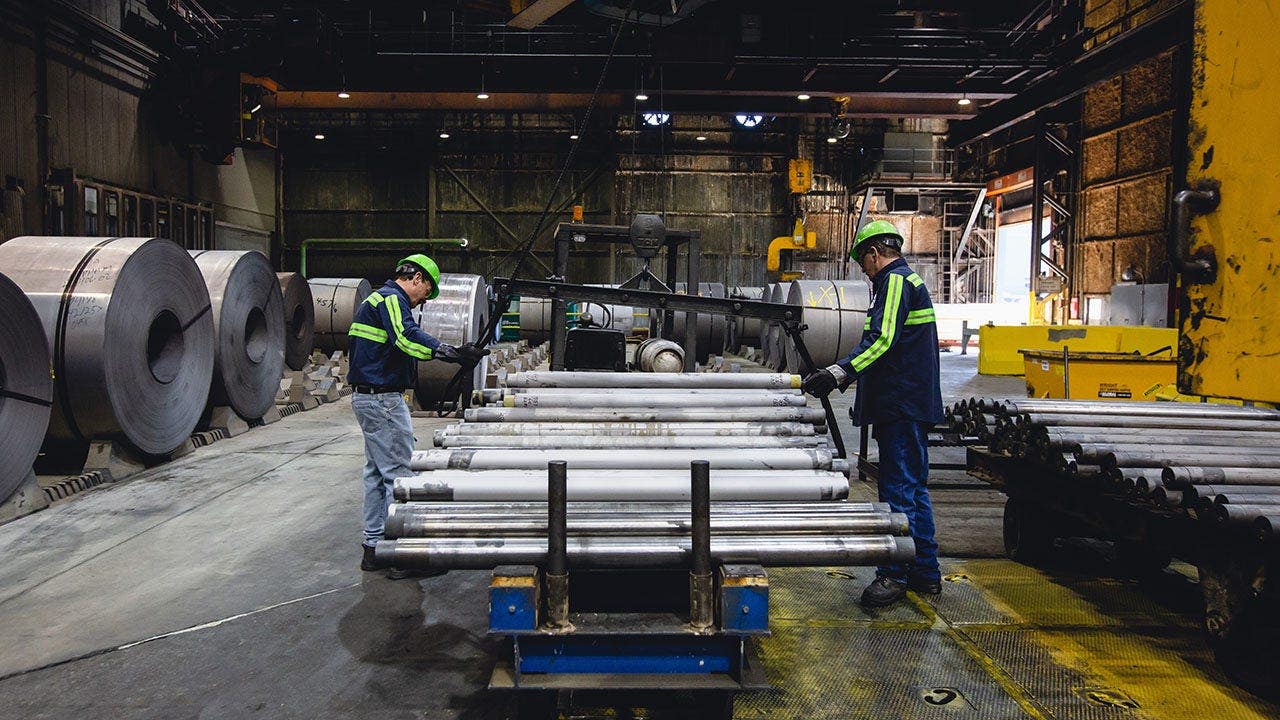
CEA report credits OBBB with 72,000 new manufacturing jobs in 2026
Previous ArticleGermany sticks to Russia sanctions after Trump diesel deal
Next Article Instagram
