


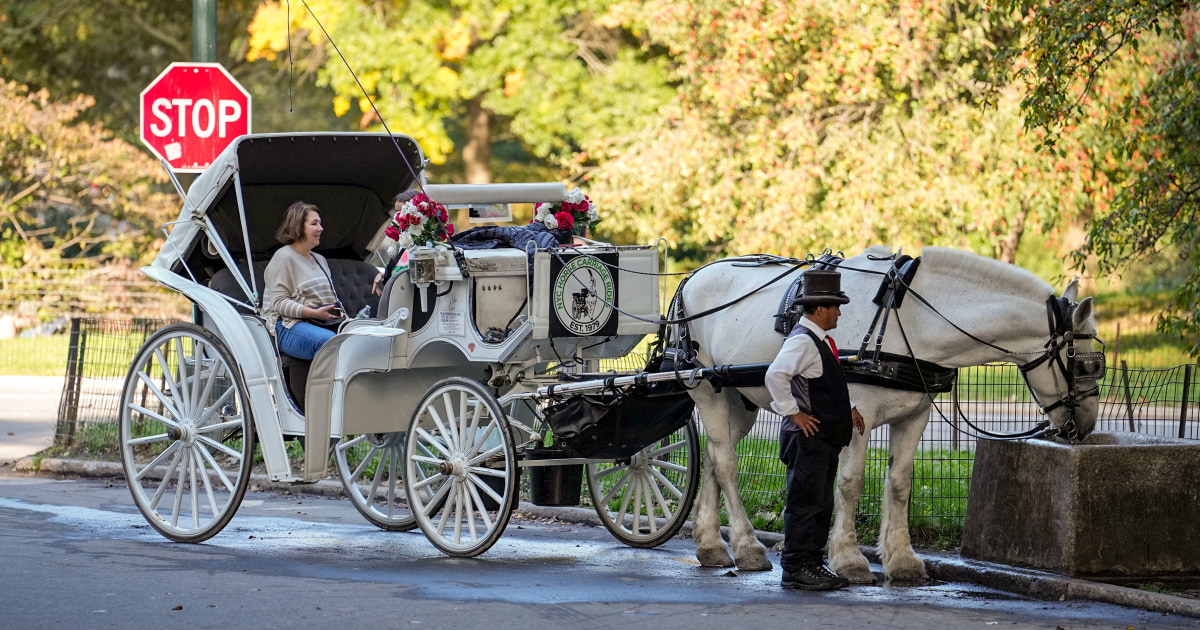
End of an Era: NYC to Ban Horse-Drawn Carriages by 2028
After more than 150 years of operating in Central Park, horse-drawn carriages will soon cease to exist in New York City due to a recent decision by the city council. This controversial legislation aims to protect animal welfare and pedestrian safety following a tragic incident that resulted in the death of a tourist.
Legislative Action
On Thursday, the New York City Council voted to implement a ban on horse-drawn carriage rides by June 2028. This decision comes in response to ongoing advocacy from animal welfare groups and the public following the death of 18-year-old Romanch Mahajan, who tragically died during a carriage ride in 2023.
Impact on Drivers
The ramifications of this ban are significant for the carriage drivers. With approximately 150 drivers facing job loss, the future remains uncertain. Alexus Lawson, a carriage driver from Queens, expressed her concerns about the fate of her horses: “Without a job, how can I take care of my horses?”
The legislation mandates that Mayor Zohran Mamdani’s office develop a comprehensive plan by April to assist affected workers, including options for job referrals, career counseling, and educational opportunities. Despite these requirements, specific details on support measures remain vague.
Concerns Over Job Security
Many drivers, like Medet Fidan, feel targeted by this legislative move. “The city is leaving us a big mess,” he remarked, highlighting the anxiety about losing their jobs and livelihoods. The city’s commitment to protecting its carriage drivers and their families appears insufficient without a clear framework for career transitions.
Council Speaker Julie Menin emphasized the need for strong protections for displaced workers, stating that the bill includes directives for City Hall to address their needs. However, the union representing carriage drivers has signaled intent to legally challenge the ban as soon as it is enacted.
Public Reactions and Historical Context
Public opinion is divided. While officials like Betsy Smith from the Central Park Conservancy welcome the ban, seeing it as a necessary move for safety, former President Donald Trump lamented the loss of this “quintessential New York experience.”
Previous mayors had attempted to end the carriage industry, but those efforts did not achieve the same level of success. The urgency of this latest push stems from public outrage following Mahajan’s death, driving activism for change.
A Call for Justice
Mahajan’s family has been vocal in their push for this ban, framing their advocacy as a means to prevent further tragedies. Gaurav Mahajan, the victim’s uncle, poignantly expressed their desire to transform their grief into a mission for reform: “We’re turning our shattering loss into an unbreakable shield of kindness for the city.”
The Future of the Industry
Citing a mix of sentiment and financial concern, drivers have repeatedly asked how they will support themselves in the absence of their jobs. Christina Hansen, a veteran carriage driver, encapsulated the frustration felt by many when she stated, “Who’s going to pay my rent while I’m looking for a job?”
As New York City prepares for this significant change, the fate of horse-drawn carriages—and the livelihoods of those who rely on them—remains a central topic of discussion amid public safety and animal welfare considerations.
