


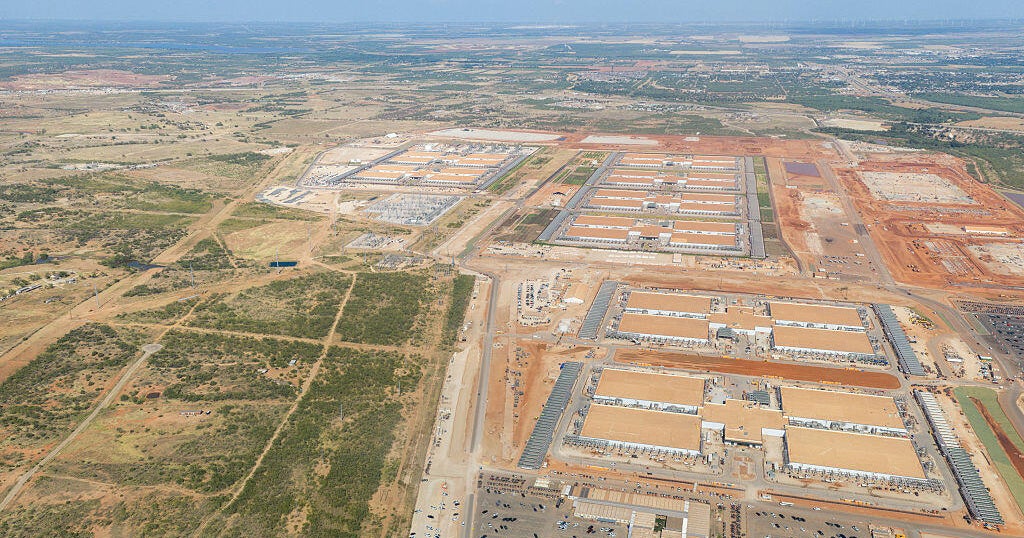
Data Centers and the 2026 Midterms: A Political Battleground
In recent months, data centers have surged to the forefront of political discourse, especially as the demand for computing power, driven by the AI boom, continues to escalate. With their rapid expansion, these facilities have become a contentious issue that may influence the dynamics of the 2026 midterm elections. This situation has revealed significant divides, particularly among Republican candidates at both state and federal levels.
The Shift in Data Center Development
A study by Cleanview Research reveals that just a year after the launch of ChatGPT in late 2022, the landscape of data center construction has largely shifted. Initially concentrated in blue states, as of 2025, 68% of operational data centers are now situated in red states. The trend is further emerging with 75% of under-construction and 80% of planned data centers located in predominantly Republican states.
Chris Millay, a data center analyst at Greenmantle, notes, “Red states have more of a history of accepting large, energy-intensive, infrastructure projects.” This openness, coupled with fewer environmental regulations and the availability of expansive land, has made rural states attractive for investment in data centers.
Political Endorsements and Concerns
Former President Donald Trump has emerged as a leading advocate for data centers, emphasizing their importance for economic growth and national security. During a rally in Ohio, Trump stated, “We want them … look, there’s so much money to be made for Ohio — you can’t just turn them off. They’ll go to China.” He has consistently downplayed public resistance to their construction, arguing that opposition could be detrimental to communities’ economic prosperity.
Despite his support, a growing number of communities near data centers express alarm over issues such as declining property values, increased noise levels, rising energy costs, and the depletion of local resources. Nationwide, there are rising calls for moratoriums on new data center projects, with polling indicating that opposition to data centers surpasses support by 30 points, even among Republicans.
A Divergence Among Republican Candidates
Strikingly, some of Trump’s allies are beginning to part ways with his stance on data centers. Texas, home to the most data centers in development, is witnessing GOP Governor Greg Abbott halting environmental permits and grid connections for new data facilities amidst a tight gubernatorial race against Democrat Gina Hinojosa.
In the Texas Senate race, Republican nominee Ken Paxton has proposed eliminating the state’s sales tax exemption for data centers, emphasizing that developers should be liable for any potential harm from their operations.
Shared Concerns Across Party Lines
The issue of data centers appears to be one that unites candidates across the political spectrum. In Ohio, Democratic gubernatorial candidate Amy Acton has voiced support for a conditional moratorium on data centers. Her Republican opponent, Vivek Ramaswamy, has gone a step further, pledging to stop all new project approvals until legislation is passed that ensures data centers contribute benefits like free electricity to local residents.
Campaigns in Ohio have heavily focused on the data center issue, with approximately $45 million allocated to related advertising efforts, predominantly against the development of new centers.
Georgia’s Unique Landscape
In Georgia, where candidates have spent nearly $13 million on data center-related ads, Republican gubernatorial candidate Rick Jackson continues to align with Trump’s viewpoint while his Democratic opponent, Keisha Lance Bottoms, calls for a temporary construction halt. Jackson argues for local decision-making regarding data centers, highlighting potential tax benefits for municipalities.
Conclusion: A Pivotal Issue for Republican Candidates
The ongoing developments regarding data centers, particularly in states that Trump won in 2024, may significantly influence Republican candidates’ strategies as they navigate voter concerns. The contentious nature of this topic could lead to crucial decisions impacting both local communities and broader national policies going into the midterm elections.
