


The Political Climate in Florida: Insights from the 2022 Midterm Elections
Overview of the Election Results
During the recent midterm elections, Florida emerged as a focal point of political attention, showcasing a landscape increasingly dominated by Republican candidates. Despite overall national trends favoring the Democratic Party, Florida’s results highlighted a persistent Republican stronghold. Governor Ron DeSantis characterized the election as a significant shifting event for the state, claiming it demonstrated the resilience of Republican policies.
Close Contests and Missed Opportunities
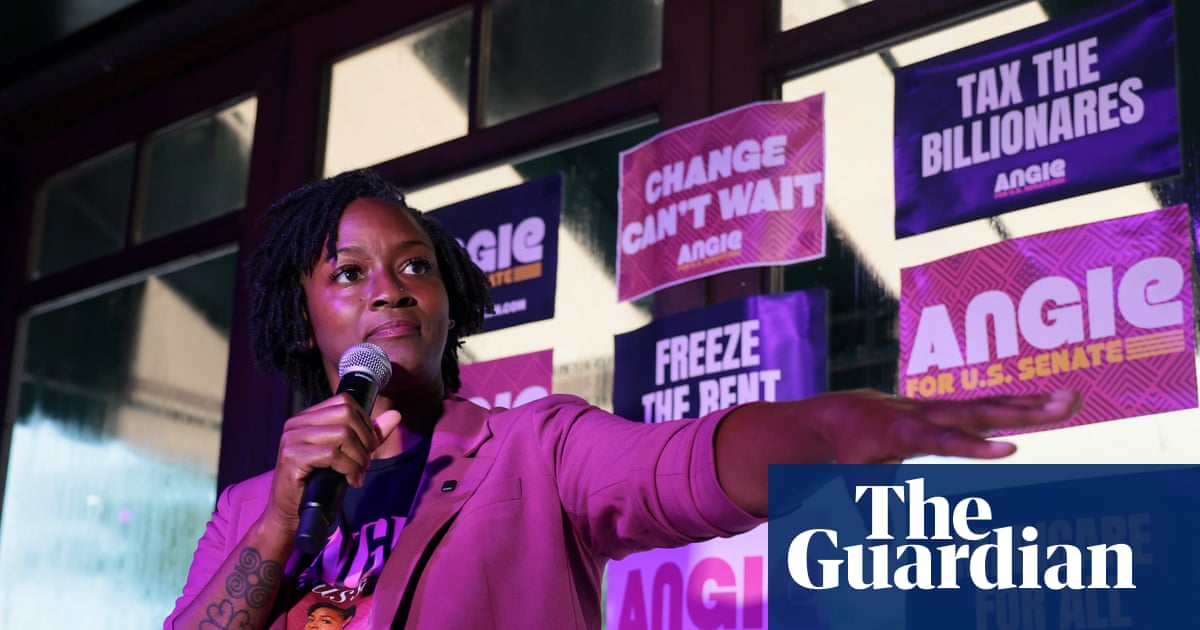
In notable races, David Jolly narrowly lost to Byron Donalds by 1.3 percentage points, while Angie Nixon fell short by 2.9 percentage points against Republican Ashley Moody. These outcomes, while disappointing for Democrats, showcased the potential for competitive races in a historically red state.
Angie Nixon raised questions about the lack of support from national Democratic leaders, suggesting her campaign was underfunded compared to her rivals. “It was a missed opportunity,” she expressed, emphasizing the need for unity moving forward.
Funding Disparities in Campaigns
As Florida is the third most populous state in the US, effective campaigning requires substantial financial resources. Nixon pointed out the financial discrepancy in her race, with Moody raising $14.5 million compared to her $11.3 million. This funding gap limited Nixon’s ability to counter negative advertisements effectively, which she argued significantly impacted voter perception.
The federal election data revealed that outside groups heavily funded opposition campaigns against Nixon, underlining the challenges faced by Democratic candidates in securing adequate support in Florida.
The Structural Challenges Facing Democrats
Nixon articulated concerns regarding structural barriers to fair elections in Florida, particularly the effects of legislation aimed at suppressing voter turnout. Under the administration of Governor DeSantis, several laws have been enacted that Nixon argues disproportionately affect communities of color and lower-income families, who historically engage in vote-by-mail options.
“They made it hard for that to happen,” Nixon stated, emphasizing that changes in mail-in voting laws have led to a significant drop in participation from those demographics.
Opportunities for Future Democratic Efforts
Despite the setbacks, Nixon remains optimistic about Florida’s political future. She recognizes the lessons learned from recent elections, which indicate a shift in the South’s political landscape. Highlighting victories by progressive candidates in other southern states, she believes Florida remains a viable battleground for Democratic efforts.
Nixon’s focus now turns to establishing a political action committee, Never Scared, aimed at empowering future candidates to contest under more favorable conditions. “I am working to create an environment where folks will win regardless of funding from traditional donors,” she emphasized.
Building a Broader Coalition
Looking ahead, Nixon identifies the need for a diverse and unified Democratic voice that can effectively address working-class issues. She underscores that constituent engagement and grassroots organizing are critical for closing gaps in voter registration and securing future victories.
“We need to work to close the voter registration gap,” she pointed out, highlighting the importance of meeting communities where they are to build a lasting coalition across different demographics.
A Vision for Democratic Leadership
As discussions about the Democratic Party’s direction continue, Nixon advocates for an agenda that prioritizes comprehensive healthcare, a higher minimum wage, immigration reform, and accountability for past political actions. “We need more diverse voices in the conversation for us to get there,” she observed, recognizing the current shortcomings within party leadership.
