


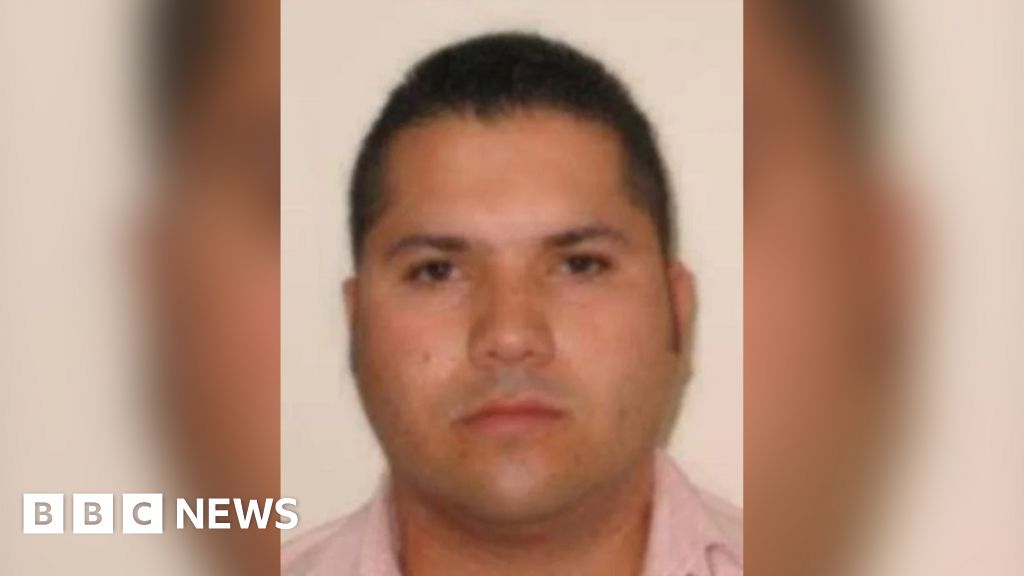
El Chapo Isidro Arrested: A Turning Point in the Mexican Drug War
Background on El Chapo Isidro
José Obed Avendaño, known as ‘El Chapo Isidro,’ has been a significant figure in the Mexican drug trade, often linked to the Sinaloa cartel. His notoriety escalated when he was placed on the FBI’s Ten Most Wanted list, marking him as a key player in the ongoing battle against drug trafficking in Mexico and the United States.
Details of the Arrest
Authorities successfully apprehended El Chapo Isidro during a recent operation in Sinaloa, Mexico. The arrest was accompanied by intense violence, with a reported eleven fatalities occurring during the confrontation between law enforcement and members of his cartel.
The Mexican government, employing a combination of drone surveillance and electronic communication tracking, played a crucial role in the strategized operation that led to Isidro’s capture. This marks yet another significant event in the ongoing efforts to dismantle powerful drug syndicates operating within the country.
Aftermath of the Capture
The incident surrounding the arrest highlighted the escalating violence associated with cartel activities in the region. Following the capture, retaliatory violence erupted, evidencing the contentious nature of cartel operations and the risks inherent in law enforcement efforts. Such violence poses challenges for local populations and raises concerns regarding safety within Sinaloa.
Implications for Law Enforcement and Public Safety
El Chapo Isidro’s arrest signifies a notable achievement for Mexican law enforcement agencies and underscores their commitment to combating organized crime. However, the violent repercussions that followed indicate the deep-rooted challenges that remain, as rival factions may vie for control over lucrative drug trafficking routes.
This ongoing cycle of violence following high-profile arrests illustrates the complexity of the Mexican drug war and poses substantial implications for regional stability and public safety.
