


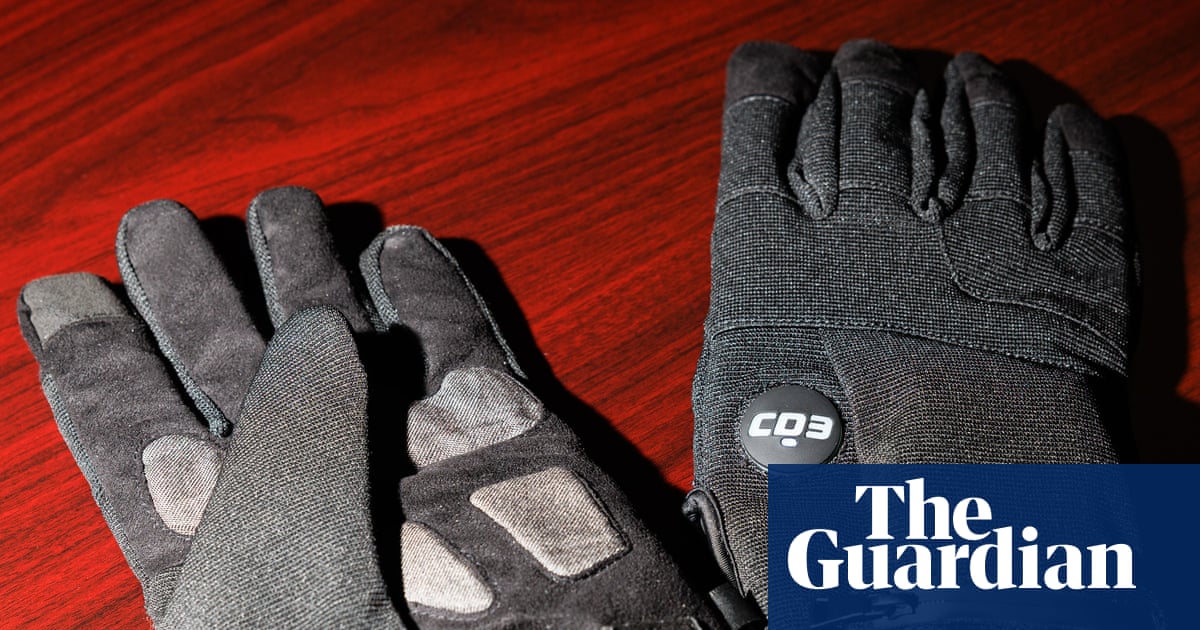
Concerns Rise Over ICE’s Adoption of Electric-Shock Gloves
The U.S. Immigration and Customs Enforcement (ICE) agency is preparing to deploy a controversial piece of technology termed electric-shock gloves, designed to assist in controlling detainees and special protest situations. A military study has revealed that these gloves, capable of delivering intense shocks, prompted significant concern among experts and lawmakers regarding safety and ethical implications.
Study Findings Highlight Intense Effects
A recently released army study highlighted the dramatic impact of the gloves, branded as G.L.O.V.E. (Generated Low Output Voltage Emitter). During training exercises at Fort Leavenworth, Kansas, participants portraying combative prisoners experienced immediate compliance and reported sensations of severe pain and discomfort.
- Participants reported immediate cessation of resistance upon exposure to the shocks.
- After-effects included fatigue, soreness, and heightened apprehension of future exposure.
ICE Contract and Background
In August, ICE finalized a contract worth $16.7 million to acquire 6,000 pairs of these gloves from Compliant Technologies, a veteran-owned manufacturer located in Lexington, Kentucky. These developments occurred amidst a broader crackdown on immigration under the previous administration, which included high rates of arrests and detentions.
Safety and Ethical Concerns Raised
Critics of the initiative are alarmed by the potential implications of deploying such devices, referencing instances where similar technologies have been implicated in serious injuries and fatalities. Specifically, concerns have been raised based on earlier reports of misuse in correctional facilities, including a recent case in which an individual died after being shocked multiple times.
As noted by Chioma Chukwu, Executive Director of American Oversight, “The military assessment in ICE’s own files shows that these gloves can cause ‘intense pain’ and force compliance.” Chukwu added, “It does not establish that they are safe.”
A Shift in Enforcement Tools
ICE officials characterize the gloves as “distraction and de-escalation devices,” claiming their use will be safer compared to other non-lethal alternatives. They assert that these gloves promote compliance, thereby reducing the risk of lethal force in tense arrest scenarios.
However, critics argue that their introduction could further enable ICE’s capacity for intimidation and excessive force during interactions with detainees and protesters. The prospect of using such devices raises unresolved questions regarding ICE’s operational protocols and agent training.
Ongoing Oversight and Legislative Concerns
Senator Catherine Cortez Masto of Nevada has expressed concerns over ICE’s plans, highlighting a lack of transparency surrounding the gloves. Along with 15 Senate colleagues, she sent a letter on August 27th asking ICE to clarify its intended use of the gloves and to establish safeguards against potential misuse. Masto noted, “Without ICE’s responses to legitimate questions from 16 United States senators, the American public is being left in the dark about how these electric-shock gloves are being deployed.”
Conclusion
As ICE prepares to incorporate these electric-shock gloves into their operations, vigilance from lawmakers and advocacy groups continues. The implications for detainee treatment, officer safety, and the agency’s operational transparency remain of paramount importance. The push for non-lethal control measures must be balanced against the rights and well-being of the individuals they affect.
