


Jonathan Rinderknecht Convicted in Deadly Palisades Fire Case
LOS ANGELES — A jury has found Jonathan Rinderknecht, 30, guilty of arson charges linked to the catastrophic Palisades Fire, which resulted in 12 fatalities. This conviction follows a prior mistrial in June, where the jury failed to reach a unanimous decision.
Details of the Incident
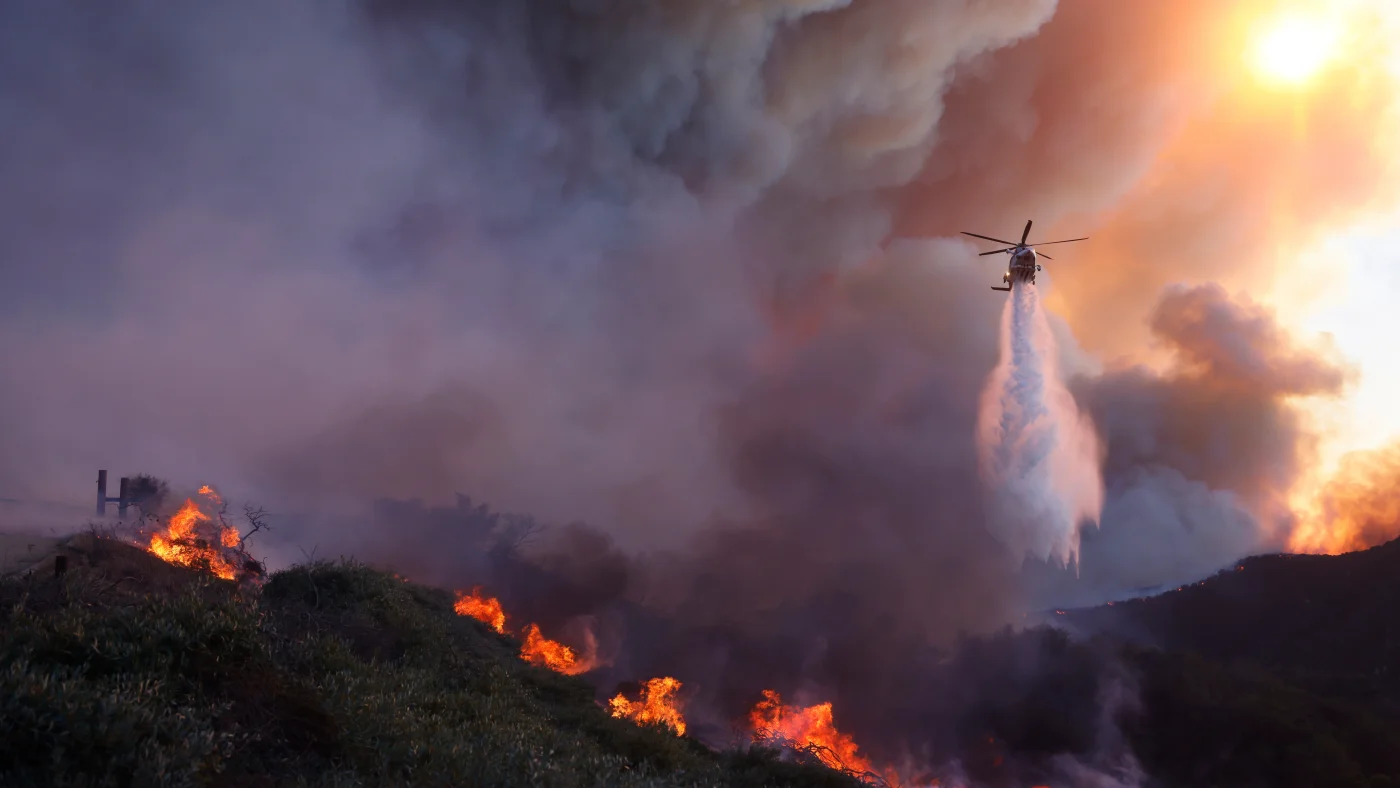
Rinderknecht was accused of igniting a fire on January 1, 2025, which initially burned undetected in the root systems of vegetation before erupting into a significant blaze on January 7. This fire grew to become one of California’s most destructive wildfires, devastating entire neighborhoods of Los Angeles and Malibu.
Legal Proceedings
Initially pleading not guilty, Rinderknecht faced federal charges of arson and destruction of property via fire. The prosecution narrowed the charges, focusing specifically on the January 1 incident, termed the Lachman Fire, and the subsequent Palisades Fire. On Friday, Rinderknecht was convicted of both charges.
Reactions in Court
After the verdict was announced on the third day of deliberations, Rinderknecht exhibited little visible reaction and shared hugs with his legal team before exiting the courtroom. Bill Essayli, the lead federal prosecutor for Los Angeles, described the conviction as a result of diligent effort from his prosecuting team, expressing confidence in the strength of the evidence against Rinderknecht. Defense attorney Steve Haney expressed disappointment over the verdict but noted respect for the deliberation process, indicating a potential appeal to be considered later.
Upcoming Sentencing
Rinderknecht’s sentencing is scheduled for March 17, 2027. Each conviction carries a minimum sentence of five years and a maximum of 20 years in a federal prison.
Jury Deliberations and Evidence
During jury deliberations, Juror No. 3, identified only as Cameron, initially felt uncertain about Rinderknecht’s guilt but ultimately agreed with the majority after contemplating the presented evidence. Cameron highlighted that Rinderknecht’s own testimony was pivotal in leading to the guilty verdict.
Prosecution’s Case Strategy
In the retrial, prosecutors effectively organized their case by integrating digital forensic evidence, expert testimonies, and insights into Rinderknecht’s mental state leading up to the fire. Past narratives focused on a perceived societal revenge aspect were replaced with concrete evidence, such as:
- Photographic proof of Rinderknecht’s vehicle near the fire’s origin.
- Cellular data indicating his movements before and after the fire started.
- Expert analysis ruling out alternative ignition sources, including fireworks.
The prosecution portrayed Rinderknecht as displaying erratic behavior and frustration prior to the fire, bolstered by testimonies from Uber drivers and text messages sent to his girlfriend.
Defense Arguments
The defense contested the prosecution’s narrative, arguing the ambiguity surrounding the fire’s origin, pointing out that the area was publicly accessible before the start of the Palisades Fire. They also presented their own expert witnesses to challenge the government’s conclusions regarding the fire’s starting point.
In defense of Rinderknecht, attorney Haney prompted the jury to disregard evidence pertaining to his character, asserting that it did not correlate with the specifics of the case. The defense introduced an alternative theory suggesting fireworks may have caused the initial ignition.
Conclusion
This case continues to unfold as Rinderknecht prepares for sentencing, amid reflection on the extensive damage and loss of life following the Palisades Fire. Legal experts note the significance of this ruling as it underscores the ongoing challenges associated with prosecuting fire-related crimes.
