


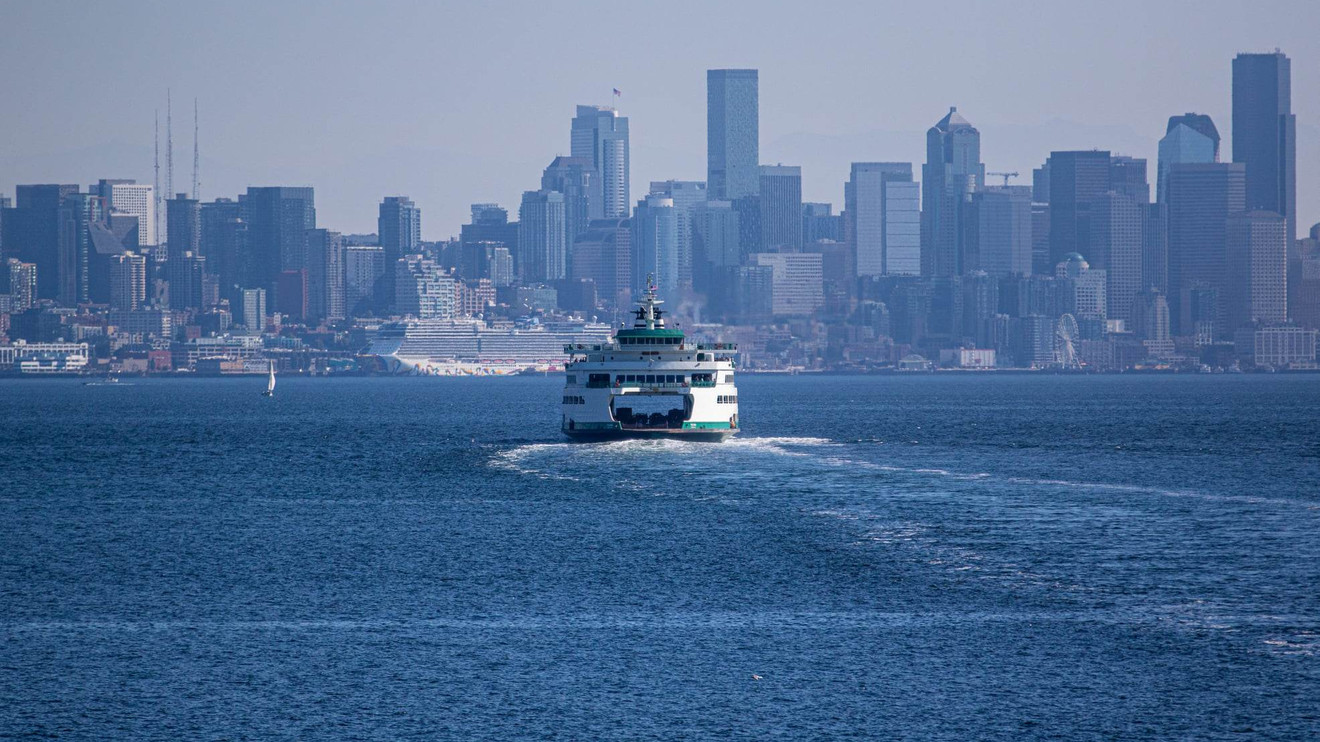
Washington State Ferry Services Disrupted by Staff Sickouts
On an unusually foggy day in West Seattle, ferry services came to a halt, leaving both drivers and passengers surprised by the absence of the customary ferry horn. Instead, they were greeted by notifications from dock staff regarding the cancellation of all ferries for the day.
Extent of the Disruption
This service interruption was attributed to a significant sickout among employees of the Washington State Ferry System (WSF). A total of 23 engine room personnel called in sick, resulting in the temporary closure of numerous routes. WSF attempted to engage relief workers, but none were available to cover the positions. Consequently, 13 out of the agency’s 18 vessels were rendered inoperable at one point.
Service Status Update
By Monday afternoon, some ferry services resumed, yet several routes remained non-operational due to ongoing crew shortages. Specific routes affected included:
- Seattle-Bainbridge
- Edmonds-Kingston
- Fauntleroy-Vashon-Southworth
Routes such as Mukilteo-Clinton and Seattle-Bremerton were running, but only one boat was available, leading to long wait times—for instance, an estimated two-hour delay for passengers at Mukilteo.
Union Response and Staffing Issues
In the wake of the disruptions, MEBA Secretary-Treasurer Roland “Rex” Rexha met with Governor Bob Ferguson to address the staff shortages. Rexha clarified that the union had not orchestrated the sickouts, emphasizing that the situation was not a coordinated effort by its members.
Rexha raised concern over the ferry system’s reliance on overtime to bridge staffing gaps, noting that issues stemming from this practice predated Ferguson’s administration. He highlighted that one employee logged more than 1,800 overtime hours over the past year, with union members collectively working over 100,000 hours of overtime.
Governor’s Commitment
Governor Ferguson acknowledged the critical feedback from ferry staff and riders alike and vowed to enhance staffing levels. He expressed dissatisfaction with the impact of the service cancellations on the public, stating:
“Causing significant harm and inconvenience to the people of Washington state is not the way to address those issues.”
Ferguson made it clear that he expected all vessels to be operational by the next morning’s first sailings.
Pay Disparities and Working Conditions
The situation has also illuminated discrepancies regarding pay and working conditions. WSF highlighted the salary for chief engineers, noting a base pay of $157,000, which can exceed $350,000 with overtime and additional benefits. Rexha countered this narrative, describing it as “passive aggressive,” and stressed the extensive qualifications required for these roles, which often take years to attain.
He pointed out the importance of a prevailing wage survey, stating that compensation for comparable positions in the industry often surpasses that of WSF’s staff.
A Path Forward
Despite the challenges, both WSF and MEBA leadership expressed a shared desire to resolve these issues and restore full operations promptly. Rexha captured this sentiment by stating,
“We want the vessels to run on time. We want them to run safely. I think we all have the same goals here.”
Residents and travelers are encouraged to check WSF’s online travel alerts and real-time maps for updates on ferry operations before heading to terminals.
