


Severe Weather Disrupts Polling Locations in Multiple States
Unprecedented weather conditions, including flash flooding and tornadoes, have necessitated changes to polling locations in three regions across the United States, impacting crucial Election Day logistics.
Polling Relocations in Florida
In Florida, intense rainfall prompted changes to at least 18 polling locations across seven counties, including Brevard, Highlands, Indian River, Martin, Okeechobee, Palm Beach, and St. Lucie. The storm unleashed up to 22 inches of rain over a 24-hour span, leading to flash floods that took many by surprise, according to meteorological reports.
Several roads on Florida’s Atlantic coast became impassable, leaving voters from affected areas scrambling for alternative voting options.
Tornado Warnings in the South
Oklahoma, Texas, and Arkansas faced severe storms overnight, with meteorologists issuing tornado watches that remained active until early Tuesday. A tornado in Cimarron County, Oklahoma, resulted in significant damage to the Keyes Community Center, prompting changes to another polling site due to safety concerns.
County officials reported that the tornado produced winds nearing 100 mph, causing extensive structural damage, leading to an emergency request for an alternate polling location.
Emergency Declarations in Multiple States
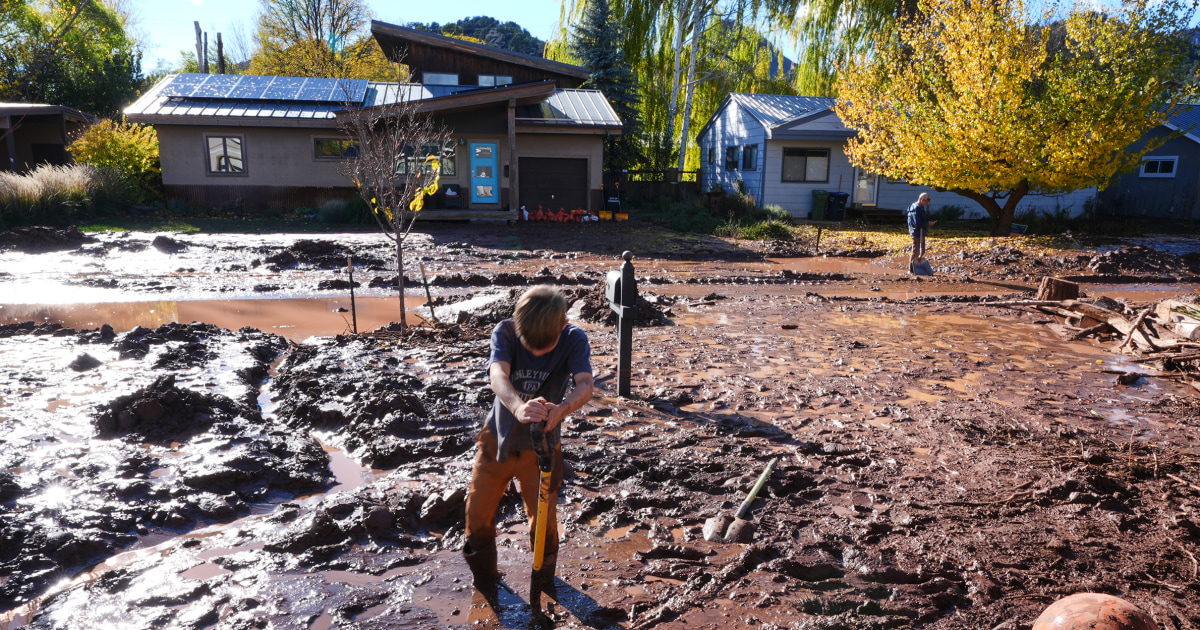
Utah’s Lt. Gov. Deidre M. Henderson declared a state of emergency in response to historic flooding in the Four Corners region. This declaration includes provisions for voters in San Juan County who are stranded by floodwaters, allowing them to request and submit ballots electronically.
Similarly, Colorado’s Secretary of State has issued a comparable measure allowing online voting for residents of La Plata and Archuleta counties.
Potential Implications on Voter Turnout
Inclement weather has historically been linked to reduced voter turnout. Research analyzing data from 1948 to 2000 indicated a small decrease in turnout during heavy rainfall, noting that for every additional inch of rain above average, turnout dropped by approximately 0.8 percentage points, as explained by Brad Gomez, an associate professor of political science at Florida State University. However, experts suggest that the impact of weather on voter turnout may lessen as more individuals opt for early or mail-in voting methods.
Continued Weather Threats
As the weather system moves eastward, flash flood watches extend across Alabama, Tennessee, Arkansas, and Mississippi. In Florida, despite a slight slowdown in rainfall rates, areas previously subjected to severe flooding remain vulnerable to further precipitation.
In other states, emergency responders are actively searching for individuals who might be stranded due to ongoing floods, with appeals for federal assistance being made by governors in New Mexico and Colorado.
Conclusion
With continued adverse weather conditions, election officials may face further unexpected challenges. Authorities are taking measures to ensure that voters can exercise their rights despite these tumultuous conditions.
