


The Consequences of Amendment 3 on Florida’s Local Tax Revenues
Recent changes to Florida’s property tax system, highlighted by the passage of Amendment 3, are set to dramatically reshape the financial landscape for local governments across the state. Voters approved the amendment earlier this month, which promises to provide significant property tax relief but at a significant cost to local revenue streams.
Key Provisions of Amendment 3
Amendment 3 expands the existing homestead exemption, increasing the amount of a home’s assessed value that is shielded from taxation. By 2027, this exemption will rise from the current $51,400 to $150,000, eventually reaching $250,000 in 2028.
Additionally, the amendment reduces the allowable annual increase in assessments for rental and commercial properties from 10% to just 5%. However, it’s essential to note that these changes do not apply to property taxes related to schools, although they may pave the way for eliminating non-school property taxes entirely.
Projected Revenue Losses
State economists predict that local governments could experience a staggering loss of nearly $5 billion in tax revenue in the first year after the amendment’s implementation. Once fully phased in, the annual revenue reduction could rise to approximately $12 billion.
Challenges for Local Governments
Local authorities are now tasked with finding alternative revenue sources to compensate for the lost income. While cities can explore options like increasing sales taxes or implementing various fees, the burden may fall disproportionately on smaller communities, significantly reducing their tax base.
As a result, municipalities are scrambling to determine how to maintain essential services, including those provided by police, fire departments, and emergency medical services, with much smaller budgets.
Specific Community Responses
In Deltona, City Manager Doc Dougherty openly addressed residents regarding the city’s budget cuts, announcing the cancellation of the Christmas parade and warning that further reductions would follow. He reported that Deltona needs to cut its budget by an estimated $12 million next year, with an additional $5 million reduction anticipated the following year. By 2030, the city could face total cuts exceeding $23 million.
Dougherty stated, “Even though we have been doing everything right by reducing our tax millage for the past four years […] this is only the beginning of the vast reduction in City services our residents will face for years to come.” He mentioned that even most city events would be canceled, with only self-funding 5K runs remaining, while the city would halt vehicle procurement and cancel construction contracts to address the budgetary shortfall.
Similar Issues in Other Areas
Across Florida, other cities are experiencing similar challenges. Delray Beach has halted funding for its St. Patrick’s Day Parade, and St. Petersburg is discontinuing its beach trolley service. Brevard County is assessing cuts to park maintenance, mosquito control, youth sports programs, and playground repairs.
Manatee County Commissioner George Kruse warned of a bleak fiscal outlook, predicting $63 million less in tax revenue in the next year, followed by a $113 million reduction the subsequent year. Kruse emphasized that “this isn’t a cycle, this is a permanent, structural shift in how government functions,” indicating that service closures and staffing reductions may become permanent changes.
Future Considerations
Kruse advocated for careful scrutiny of several areas within Manatee County’s budget, including public assets, department mergers, and funding for community programs. He expressed concerns that necessary cuts would undermine quality of life for residents: “But last week, 65% of Manatee voters said they wanted to forego services and quality of life for lower property taxes,” he added.
The implications of Amendment 3 may also challenge future urban development strategies. Kruse noted the necessity of prioritizing denser rental properties over sprawling suburban developments due to infrastructure costs. However, this could unintentionally exacerbate housing affordability, contradicting the relief intentions of the amendment.
Political Responses
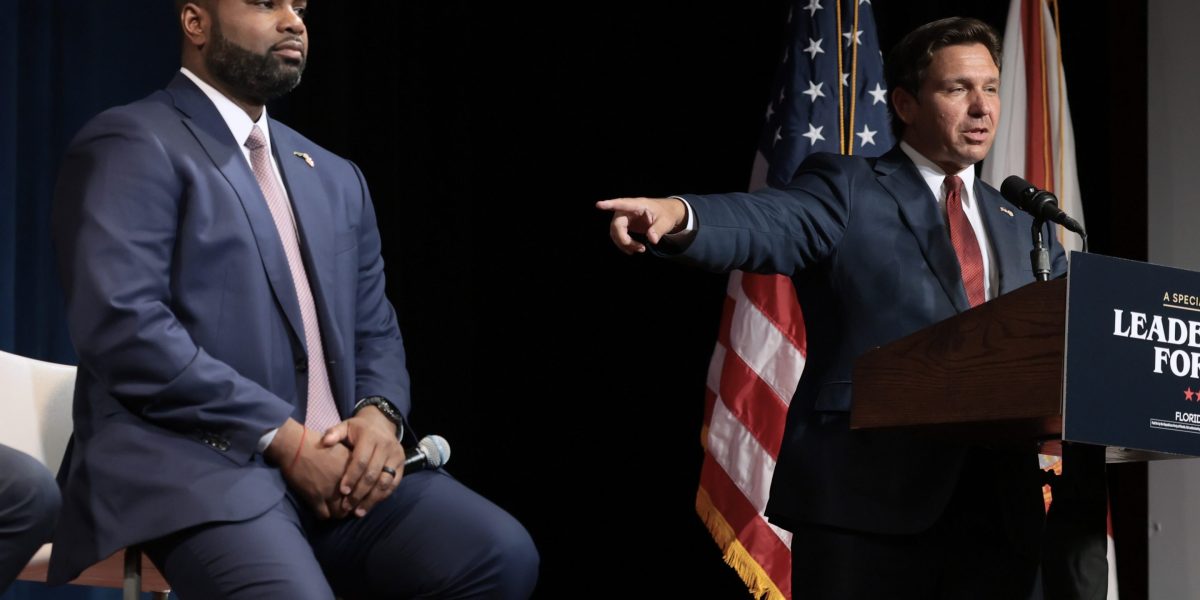
The passage of Amendment 3 has prompted varied reactions from state leadership. Outgoing Governor Ron DeSantis, who supported the amendment, has downplayed local concerns as “fearmongering,” suggesting that state funding could mitigate budgetary challenges for municipalities. Despite this, many local leaders are anticipating significant fiscal constraints without state intervention.
Governor-elect Byron Donalds will need to navigate these complex issues, especially as the state legislature has indicated a reluctance to hold a special session to address implementation specifics. In light of these developments, DeSantis has urged lawmakers to resist imposing new taxes or fees to alleviate the pressures faced by local government budgets.
As Florida grapples with the fallout from Amendment 3, communities across the state must devise strategies to maintain essential services amidst an unprecedented shift in tax revenue dynamics.
