


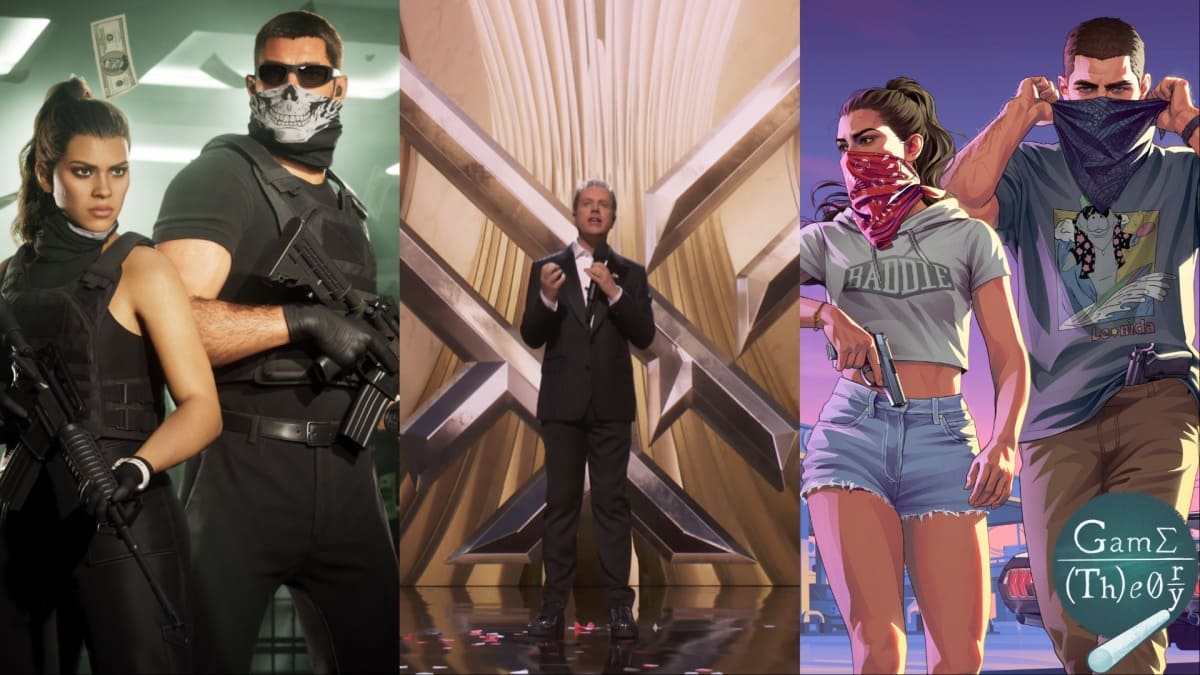
Anticipating Grand Theft Auto VI: Cultural Impact and Game Awards Nomination
Introduction to the Anticipation
As of November 17, the gaming community is rapidly approaching the release of Grand Theft Auto VI, commonly referred to as the “GTApocalypse.” With only a few reviewers having experienced the game thus far, the excitement and discussions surrounding it have reached a fervent pitch. Gamers and critics alike speculate about the game’s features, often inundated with promotional materials highlighting various gameplay elements, such as vehicle dynamics and city exploration.
Cultural Context and Industry Impact
Alongside this anticipation resides another significant event on the gaming calendar: The Game Awards. With the event drawing near, GTA VI has garnered a nomination for Game of the Year, despite being virtually unplayed outside a select few outlets. This nomination raises questions about the nature of the awards and their alignment with industry realities.
The critics who cast their votes likely belong to prominent gaming publications familiar with the title, leading to an intriguing scenario where expectations seem to outrun experience. Given the longstanding popularity of the GTA franchise, it almost seems expected that it would be nominated purely on its historic merit.
The Game Awards: A Mixed Landscape
The Game Awards, orchestrated by Geoff Keighley since its inception, aim to create a unified moment within the industry—a showcase that mingles promotional efforts and artistic recognition. Critics have often noted that gaming culture tends to gravitate towards mainstream titles, potentially overshadowing unique and smaller indie projects.
This unified focus risks homogenizing the rich tapestry of gaming experiences into a more accessible but less diverse product. The TGAs serve as a counterpoint to the varied and eclectic nature of games available today, an initiative both celebrated and critiqued within the community.
The Future of GTA VI and Gaming Culture
Grand Theft Auto VI encapsulates a broader trend in gaming towards larger and more extravagant productions, reflecting financial motivations and consumer expectations. While the game has yet to be released, its potential commentary on American consumerism remains a tantalizing aspect of its narrative interpretation.
This release might reshape the ongoing discourse about gaming and its cultural significance. Critics debate whether the ‘most expensive’ designation can justly equate to ‘best,’ as seen in previous awards where smaller, innovative titles have achieved recognition despite minimal budgets.
Conclusion and Looking Ahead
Regardless of its performance at The Game Awards on December 10, GTA VI is poised to dominate conversations within the gaming community, cementing its place as monumental in the landscape of current gaming dialogue. The anticipation of its release might signal a transformative moment for both the game itself and the industry at large, as it shifts from a theoretical construct into a tangible experience for millions of players.
As the world gears up for the launch, the collective focus may finally evolve from speculative excitement to tangible gameplay experiences. This shift is eagerly awaited not only by industry insiders and critics but also by players anticipating their return to the sprawling world of Vice City.
