


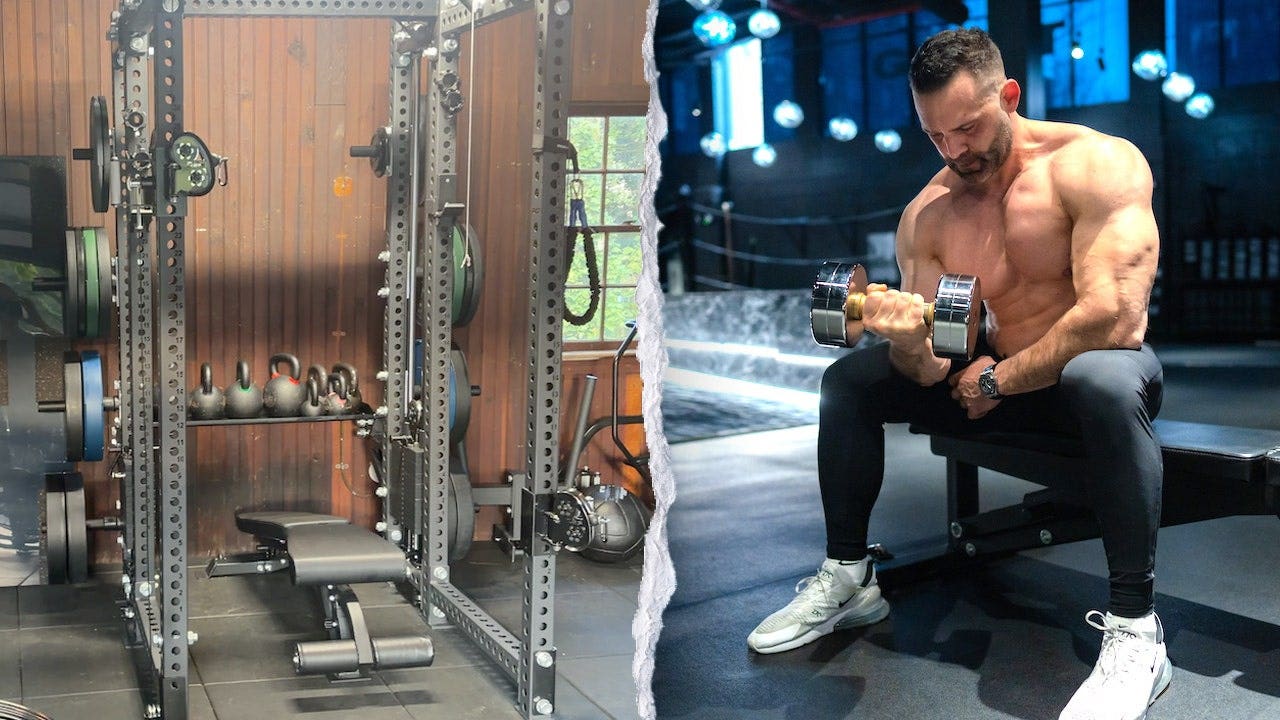
Building an Affordable Home Gym: Key Insights from Fitness Expert Jacob Zemer
As more Americans prioritize health and wellness, expenditures in this sector have surged. Reports indicate that 31% of Americans are spending more on health initiatives than they did last year, with expectations for further increases in the near future. A recent survey revealed that 44% of home gym enthusiasts anticipate spending over $1,000 on their gym setups this year.
Home Gym Essentials: Easy and Cost-Effective Solutions
According to Jacob Zemer, a fitness coach based in New York, the notion that a comprehensive home gym requires exorbitant investments is misleading. He suggests that beginners can start with a basic setup without breaking the bank, gradually adding to their equipment over time.
1. Resistance Bands: The Versatile Starter Tool
Resistance bands are highlighted as an ideal starting point for home gym setups. Zemer states, “They’re so incredibly affordable” and notes their effectiveness, especially for those who are new to strength training. Additionally, their portability allows users to exercise anywhere, making them a versatile option for travel or confined spaces.
2. Dumbbells: A Space-Saving Investment
Dumbbells are recommended for their utility in strength training. Zemer emphasizes the importance of selecting dumbbells that fit well into the available space. Adjustable dumbbells are a commendable choice as they occupy minimal space while providing flexibility in workout intensity. He advises beginners to focus on mastering form and gradually increasing difficulty, as progress can be measured through improved repetition rather than merely increasing weight.
3. A Multi-Functional Bench
A bench that can adjust between different angles adds significant versatility to home workouts. Zemer suggests acquiring a bench that offers incline, decline, and flat settings to accommodate various exercises, making it a worthwhile addition to any home gym.
Avoiding Common Pitfalls: What Not to Buy
Zemer warns against purchasing equipment that is cumbersome or complicated to set up. He argues that such equipment is less likely to be used regularly, thereby becoming a financial drain. “The more setup it requires, the less likely you will be to use it,” he notes. He advises that before making any purchases, individuals should consider how much space the equipment will occupy and whether it supports a variety of exercises.
He recounts his own experience with bulky equipment that proved impractical, stressing the importance of versatility in fitness tools. Items that serve multiple functions are more beneficial than those designed for isolated training of specific body parts.
The Role of Cardio Equipment in Your Home Gym
Zemer points out that cardiovascular machines are not essential for every home gym, especially for individuals who engage in active routines. Simple activities like walking, running, or brisk strength training can effectively elevate heart rates. For those who prefer dedicated cardio equipment, Zemer recommends options like stationary bikes and ski ergs, which provide versatility while minimizing stress on joints.
In conclusion, building an efficient and effective home gym does not have to require a significant financial commitment. With thoughtful planning and strategic investments, individuals can create a personalized workout environment that supports their health and fitness goals.
