


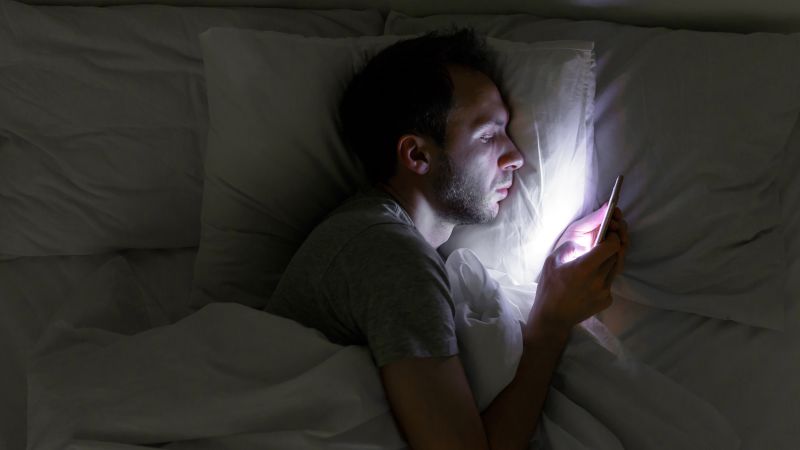
Transforming Sleep: The Case for Going Phone-Free at Night
In our increasingly connected world, the presence of smartphones in our lives—and bedrooms—has become a focal point of concern regarding sleep quality. A change in routine, such as sleeping without a phone in the room, can drastically alter one’s nightly rest and how refreshed they feel upon waking.
The Consequences of Overnight Connectivity
A young New Yorker experienced this firsthand after a phone-free night led to a cascade of missed calls and an unfortunate missed flight for her roommate, who had been locked out of their apartment. Such incidents illuminate the challenges people face when attempting to separate from their devices, especially as modern sleep therapy advocates for sleep environments free from electronic distractions.
Research by the Pew Research Center reveals that about 62% of young adults under 30 report that their smartphone usage negatively affects their sleep patterns. Late-night screen time does not just impact teenagers; adults are also grappling with technology’s interference in their rest.
Establishing a Phone-Free Zone
Experts suggest that removing phones from the bedroom can improve sleep quality. However, many individuals find this transition difficult. Despite the prevalence of phones near beds, studies indicate that a significant percentage of individuals engage with their smartphones in bed, often leading to a decline in sleep quality.
- A 2022 study found that participants dedicated 42% of their time in bed to smartphone use prior to sleep, correlating with a reduction in overall sleep satisfaction.
- The blue light emitted by screens can disrupt the body’s natural circadian rhythms, signaling to the brain that it should remain alert.
Kristin Szuhany, a clinical psychologist specializing in insomnia, points out that many individuals keep their phones nearby out of habit or to remain reachable in emergencies, complicating the decision to unplug at night. Although blue light filters can mitigate some effects, they do not eliminate the cognitive stimulation that smartphone engagement often induces.
The Psychology of Sleep Disruption
Jamie Zeitzer, a Stanford University professor of psychiatry, emphasizes that merely having a phone in the room can be disruptive, with notifications and the anticipation of incoming messages triggering disturbances in sleep. This unpredictability creates a conducive environment for anxiety-related wakefulness.
To counteract these behaviors, sleep psychologists like Szuhany recommend techniques such as stimulus control, which promotes the idea of associating the bedroom with only sleep and intimacy. This reduces distractions that might keep the mind active at night.
Research Findings on Phone Separation
A pivotal study published in Computers in Human Behavior examined the effects of leaving phones outside the bedroom for a week. Remarkably, three-quarters of participants reported improved sleep onset, enhanced sleep quality, reduced anxiety, and a sense of overall well-being without their phones. The separation also fostered better relationships, allowing individuals to reconnect with friends or engage more meaningfully with partners at bedtime.
Nicola Hughes, the study’s lead author, explains that keeping phones away helps minimize distractions and allows for deeper, uninterrupted rest.
Adopting New Strategies for Better Sleep
Implementing practical strategies to maintain a distance from smartphones at night can yield significant benefits:
- Consider using a traditional alarm clock instead of a phone.
- Move devices out of reach to create a barrier against late-night scrolling.
- Employ ‘Do Not Disturb’ modes to limit interruptions while maintaining essential emergency access.
Gradual adaptation can ease anxiety about separation. Szuhany suggests starting by relocating phones away from the bedside and testing the effects on sleep quality.
The Path to Better Sleep
Ultimately, the journey towards a phone-free bedroom can be a beneficial lifestyle change. As one individual reflected, transitioning her phone to a distant location allowed her to resist the temptation to reach for it, leading to improved sleep over time. Small adjustments, like adjusting notification settings to allow urgent calls to come through, can also mitigate anxiety while fostering a healthier nighttime environment.
As we navigate a fast-paced digital landscape, remembering our historical ability to disconnect at night can aid in reclaiming better sleep and enhanced well-being.
