


Cyberattack Causes Disruption Across French Supermarkets
A large-scale cyberattack has compromised refrigeration systems in hundreds of supermarkets across France, causing significant food waste and safety hazards. The attack, termed “unprecedented” by industry leaders, has raised the temperatures in fridges and freezers to alarming levels, resulting in perishable goods spoiling and fires breaking out in several locations.
Extent of the Attack
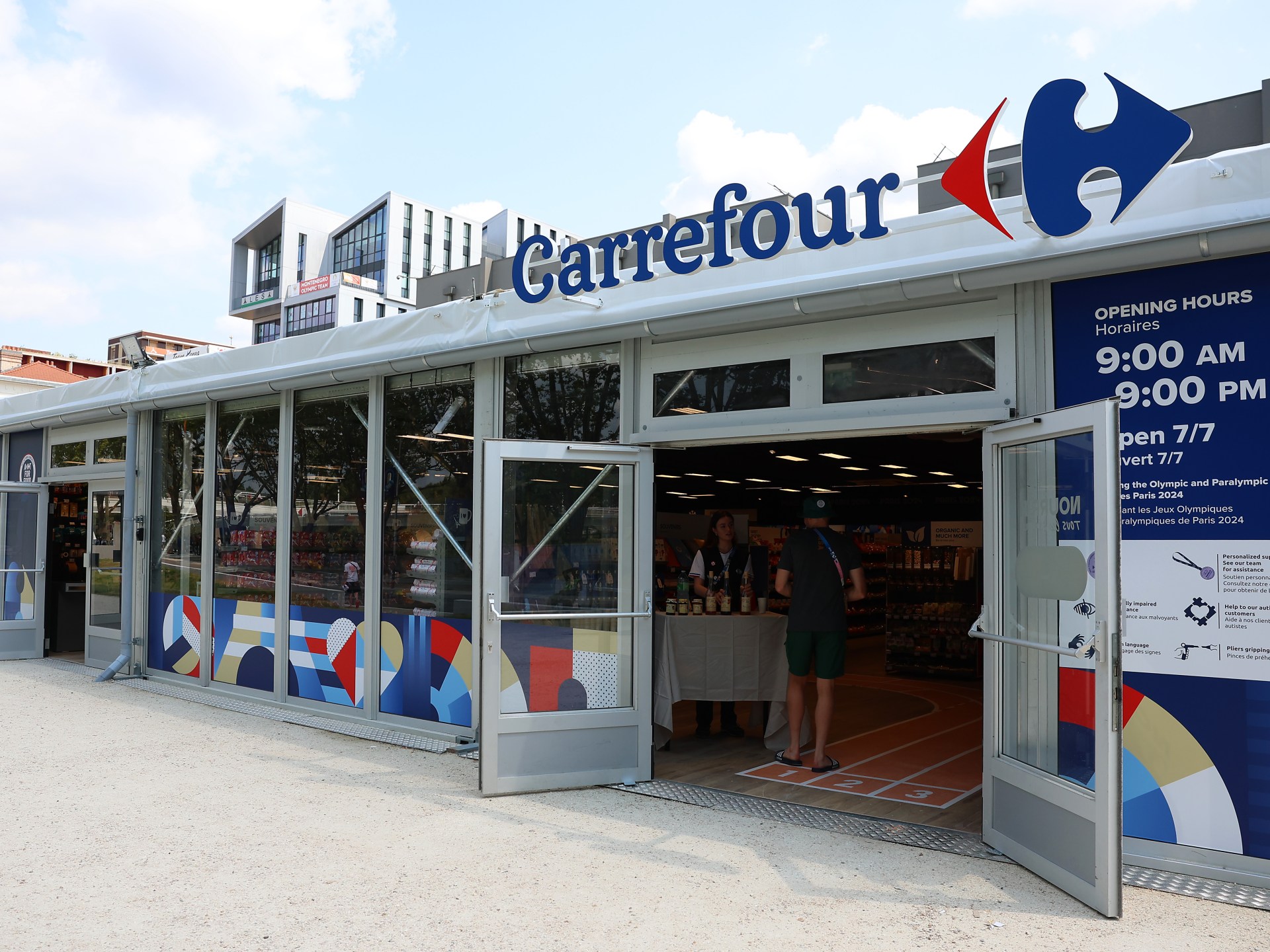
Major retail chains, including Intermarche, E Leclerc, and Cooperative U, reported that the attack affected numerous outlets, with Intermarche and its Netto brand alone seeing approximately 300 shops impacted. Cooperative U indicated that over 100 of its stores were involved, while Carrefour confirmed that 80 supermarkets were targeted. Meanwhile, about 5% of Monoprix’s stores were affected.
Government Response
The situation prompted a swift response from the French government, with Prime Minister Sebastien Lecornu instructing the National Cybersecurity Agency (ANSSI) to launch an investigation. Officials are also collaborating with other European countries to assess the broader implications, as there are concerns that similar vulnerabilities might exist in other regional retailers.
Nature of the Cyberattack
Details indicate that hackers accessed remote refrigeration systems, triggering forced defrosting, which led to extensive losses of fresh and frozen inventory. Intermarche’s CEO, Thierry Cotillard, stated that the financial repercussions of this attack could reach tens of millions of euros within a single day.
Authorities have yet to determine the total industry losses, but reports indicate that all perishable products in affected stores were required to be discarded. Cooperative U’s CEO, Dominique Schelcher, emphasized the seriousness of targeting essential equipment responsible for food preservation, labeling the attack as unacceptable.
Software Vulnerabilities
Investigations led by ANSSI revealed that outdated software systems were exploited, particularly those supplied by the Danish company Danfoss. Danfoss acknowledged awareness of the incidents in France, indicating that affected refrigeration systems were not updated as recommended.
This incident follows a warning issued by the cybersecurity firm Claroty, which highlighted vulnerabilities in Danfoss systems that could potentially allow attackers to bypass security measures and remotely manipulate equipment.
A Broader Warning for Global Security
Experts suggest that this incident serves as a crucial reminder of the risks associated with interconnected technology. Steven Lachance, a cybersecurity analyst, pointed out the vulnerabilities inherent in internet-connected infrastructure, stating, “We have connected infrastructure that is live on the internet, and that can be hacked. It’s a new reality.”
Looking ahead, he warned that the next attack could target critical infrastructure, such as energy systems or hospitals. The current situation underscores the urgent need for robust national and international cybersecurity measures to thwart future cyber threats.
Conclusion
This cyberattack has raised alarms within the retail sector regarding the security of their operational systems. As investigations continue, the focus remains on restoring normal operations while assessing vulnerabilities to prevent similar incidents from occurring again.
