


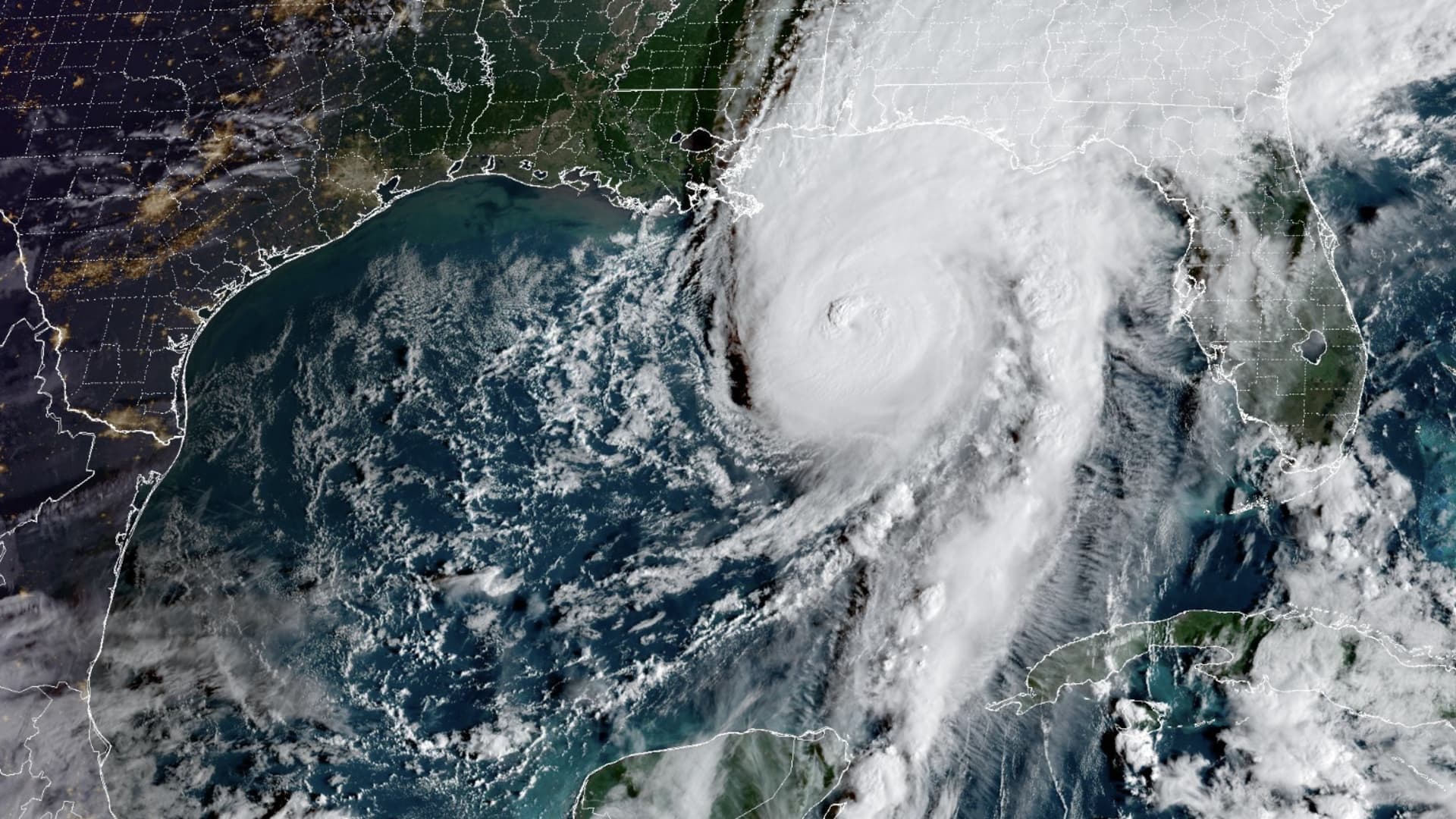
Hurricane Isaias Disrupts U.S. Oil Production and Refining Capacity
As Hurricane Isaias intensifies, it poses significant threats to U.S. crude oil production in the Gulf of Mexico and is projected to limit around 2% of the nation’s refining capacity. This challenge arises at a time when global fuel markets are already experiencing tight conditions.
Storm Details and Current Status
The National Hurricane Center has reported that Isaias is currently classified as a Category 3 storm, with maximum sustained winds reaching 120 miles per hour. The storm is advancing toward the coasts of Mississippi, Alabama, and the Florida panhandle, with forecasts indicating landfall could occur late Friday or early Saturday.
Impact on Oil Production
As a precautionary measure, oil companies have reportedly shut in approximately 1.3 million barrels per day, representing about 63% of total U.S. production in the Gulf region, according to the Bureau of Safety and Environmental Enforcement. Despite this, it appears that the storm is veering away from the heavily concentrated refining areas in southern Louisiana.
Refinery Vulnerability
However, the impact on refining capabilities remains a concern. Two key refineries that could be affected are Chevron’s facility in Pascagoula, Mississippi, and Vertex Energy’s refinery in Saraland, Alabama. Together, these plants have a production capacity of 466,000 barrels per day, equating to approximately 2.4% of the total U.S. refining capacity, as stated by Andy Lipow, president of Lipow Oil Associates.
“Of course, losing any refinery capacity when diesel supplies are at their lowest level for this time of year since the EIA began reporting in 1982 is not a good thing,” Lipow noted in a recent analysis.
Operational Status and Risks
According to a spokesperson, Chevron’s Pascagoula refinery remains operational as of Thursday, while Vertex Energy has not yet commented on the status of its Saraland facility. Lipow warns that the primary risks to these refineries include potential loss of electricity and flood damage. If they do need to shut down, it could take one to two weeks for them to restart, provided there is no significant damage.
Fuel Market Repercussions
The Gulf Coast refineries are currently operating at 95% capacity, leaving no buffer to compensate for any production losses. This lack of slack in the system may lead to increased diesel prices, a trend that has already been influenced by global events such as conflicts in Eastern Europe and the Middle East that have disrupted global refining capabilities. Ukraine’s actions against Russian refineries have led to Moscow imposing a ban on diesel exports, further tightening supply.
U.S. refiners have been stepping in to fulfill demand, capitalizing on favorable profit margins by exporting diesel to international markets, especially Europe. Historical trends suggest that fuel prices may rise even as crude prices fall during outages at Gulf Coast refineries—a phenomenon noted by Kevin Book, managing director at ClearView Energy Partners. He explained that this occurs because such outages decrease the demand for crude oil while limiting the production of essential fuels for consumers.
Conclusion: Navigating the Storm’s Aftermath
The implications of Hurricane Isaias extend beyond immediate safety concerns, as it threatens to disrupt tanker traffic crucial for transporting crude to refineries and moving finished products such as gasoline, jet fuel, and diesel to markets. “Tankers will be delayed delivering crude oil to the refineries while other tankers are delayed loading gasoline, jet fuel, and diesel out of the refineries,” Lipow emphasized. This could lead to notable delays, particularly in Florida’s fuel supply chain.
