


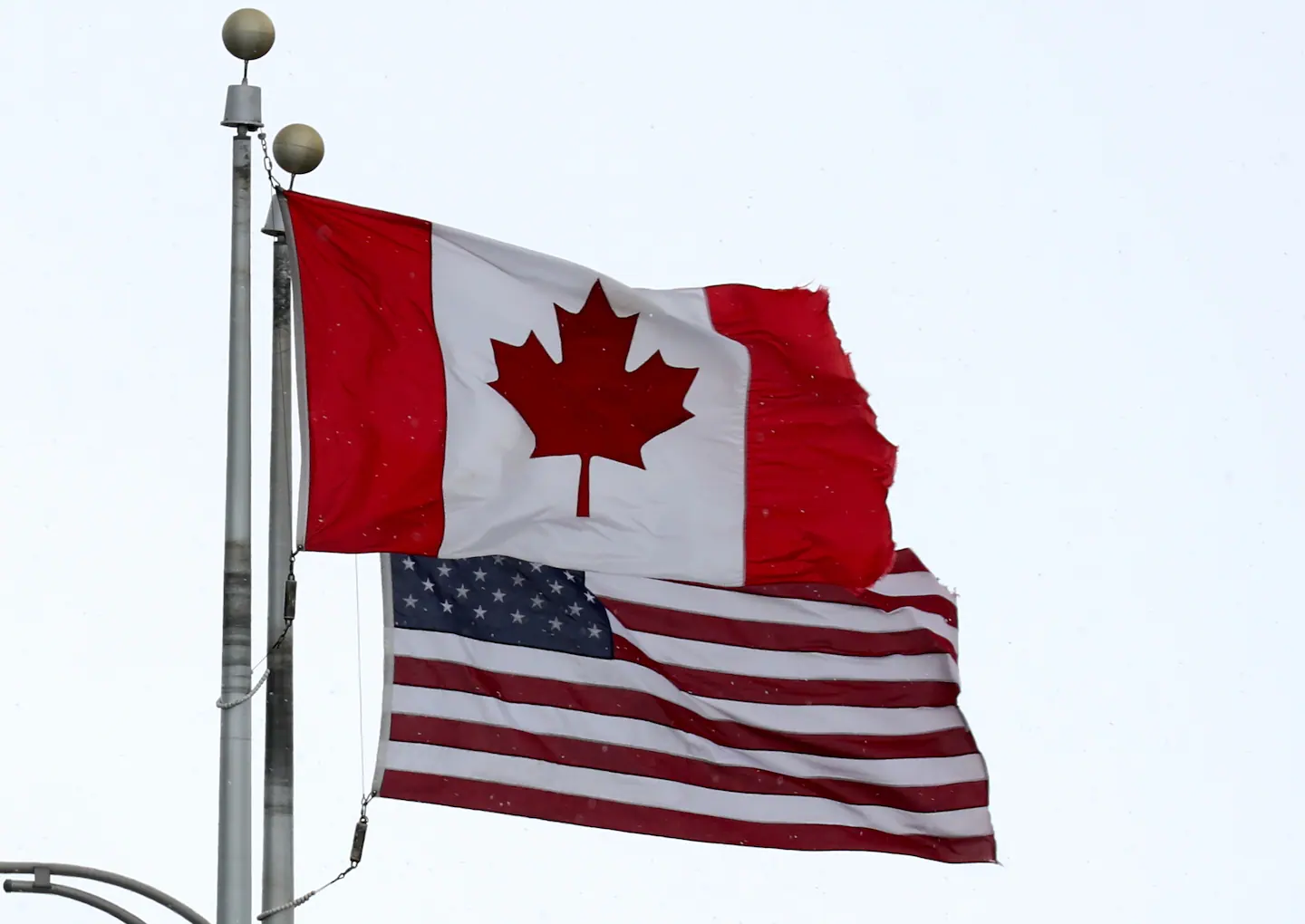
New Restrictions on U.S.-Canada Defense Relations
Defense Secretary Pete Hegseth has initiated a series of new restrictions affecting the relationship between the United States and Canada regarding defense matters. This directive, as confirmed by sources familiar with the situation, marks a significant development in the ongoing tensions between the two nations.
Background of Tensions
The relationship between Washington and Ottawa has been increasingly strained, particularly underscored by former President Donald Trump’s prior remarks. Trump has been noted for his controversial claims regarding the potential for U.S. territorial expansion, referring to annexation as a possibility in discussions related to Canada. This rhetoric has contributed to the backdrop of uncertainty surrounding military cooperation.
Details of the New Directive
The specifics of Secretary Hegseth’s directive remain under wraps, but sources indicate that these new measures will reshape the dynamics of defense collaboration between the two nations. Officials have expressed concerns that such restrictions may impact joint military operations and intelligence sharing.
Implications for Defense Collaboration
- Potential limitations on joint exercises and training programs.
- Impact on intelligence cooperation and information sharing.
- Possible strain on long-standing defense agreements.
Future Outlook
As the U.S. and Canada navigate these new restrictions, both governments may need to engage in dialogue to address the underlying issues that have led to this rift. The evolution of the defense relationship will be critical in determining the strategic landscape in North America going forward.
Conclusion
The new restrictions imposed by Defense Secretary Pete Hegseth highlight the ongoing tensions in the U.S.-Canada defense relationship. As this situation unfolds, it remains essential for both nations to find a resolution to ensure continued collaboration and mutual security.
