


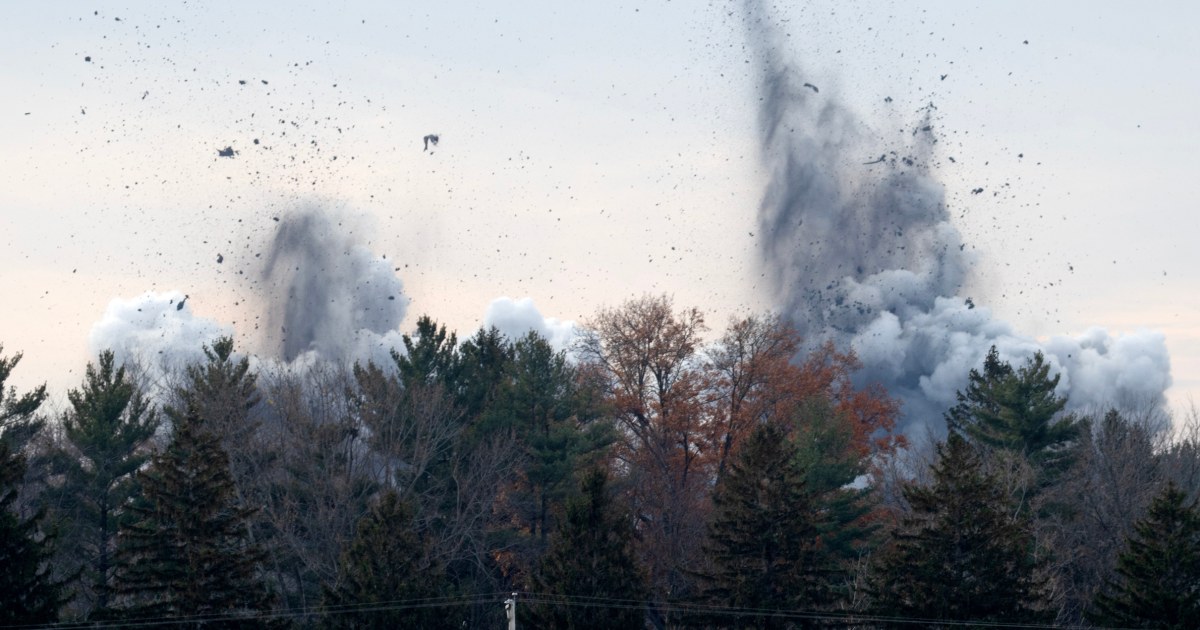
Continued Environmental Testing After Lead Azide Detonation in Iowa
Amidst preparations for Thanksgiving, residents in Middletown, Iowa, are closely monitoring their safety following the recent controlled detonation of lead azide at the Iowa Army Ammunition Plant. The detonation, executed by the Army, was carried out due to the compound’s unstable condition, raising environmental and safety concerns among local communities.
Controlled Detonation Overview
On Wednesday, the Army detonated a stockpile consisting of 68 drums of lead azide, a compound previously used for munitions production but known for its toxicity. This operation, deemed necessary due to the degrading condition of the substance, prompted temporary evacuations and significant apprehension among the surrounding population.
Federal Response and Testing Initiatives
The day following the explosion, over 300 employees and contractors from the Environmental Protection Agency (EPA) arrived to conduct comprehensive testing across the affected area. According to EPA Administrator Lee Zeldin, the agency aimed to collect over 1,000 samples from various locations, including residential areas, schools, and local farms. Results are expected to be shared within one to two days.
Community Perspectives
Middletown residents expressed cautious optimism regarding the Army’s assessment of the situation. Tim Thomann, who was hosting family for the holiday, mentioned, “The Army said it looks like a success… I just hope they can continue testing so we have that peace of mind.”
Conversely, some residents, like Blaine Dial, took preparations into their own hands before the detonation by sealing windows and doors to minimize potential impacts from the blast. Dial emphasized the importance of thorough environmental monitoring, especially considering the risks lead azide poses to vulnerable populations such as children and pregnant women.
Health and Safety Concerns
The Army’s early observations indicated that the detonation was successful, with no immediate evidence of contamination in the surrounding area. Maj. Gen. Eric Shirley stated, “The risk was reduced as close to zero as it’s absolutely humanly possible.”
Despite these reassurances, some residents are proactively conducting their tests for lead contamination, as seen with local business owners Kevin and Linda Ross, who are particularly concerned about potential effects on their garden and fish pond.
Long-term Testing and Community Recovery
As the community approaches the Thanksgiving holiday, residents remain vigilant while continuing their festive plans. Government officials have assured that air and water quality will be monitored to prevent any unforeseen health risks. The outcomes from the ongoing testing and assessments will determine the next steps for community safety and restoration of normalcy.
Conclusion
This incident underscores the importance of prompt action in hazardous situations and the continued commitment of environmental agencies to ensure the safety of affected communities. Local residents are hopeful for transparent and timely communication about the testing results, emphasizing the need for ongoing vigilance in their health and safety as they move forward.
