


Iowa’s Rising Cancer Rates: A Central Issue in Gubernatorial and Senate Campaigns
As Iowa braces for upcoming gubernatorial and Senate elections, the spotlight is firmly on the state’s alarming cancer crisis. Candidates from both parties are finding common ground on this issue, with discussions centering around actionable steps to address Iowa’s elevated cancer rates.
Focus on Cancer Crisis During Campaigns
During a recent gubernatorial debate, the moderator posed a crucial question regarding immediate actions to tackle the state’s cancer crisis. Democrat Rob Sand and Republican Zach Lahn both underscored the significance of this issue in their campaigns but did not shy away from criticizing each other’s track records.
In subsequent debates, especially regarding the Senate race, candidates continued to emphasize the connection between Iowa’s rising cancer rates and environmental pollution, particularly from agricultural practices. This discussion marks a stark contrast to past election cycles where such topics were seldom raised.
Environmental Concerns at the Forefront
Iowa’s reputation as a leading producer of corn and hogs has complicated discussions around “Big Ag,” which is increasingly being viewed as a contributor to the state’s public health difficulties. Notably, Iowa has the second-highest cancer rate in the nation, with numbers climbing in recent years.
Both major parties are now publicly committing to address the environmental causes of cancer, which is a notable shift in campaign platforms. Candidates across the political spectrum are pledging to tackle issues of water safety and chemical regulation.
Candidate Positions
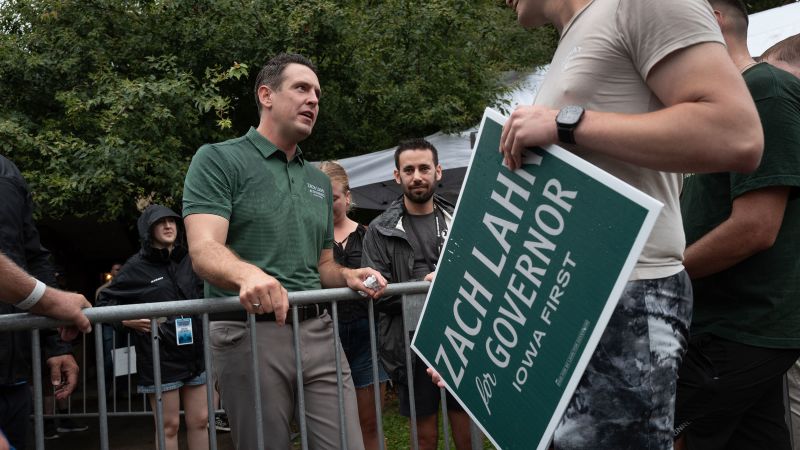
- Zach Lahn: A farmer and GOP candidate supported by the “Make America Healthy Again” movement, he advocates for cleaning up water sources and regulating chemicals.
- Rob Sand: A moderate Democrat, he has also made strong commitments to improve water quality and establish a Cancer Task Force.
- Ashley Hinson: The Republican Senate candidate has called for increased funding for safe drinking water initiatives.
- Josh Turek: The Democratic candidate for Senate, he aligns with calls for greater financial support for water safety projects.
Changing Political Landscape
Despite their shared commitment to addressing cancer concerns, candidates face the challenge of navigating criticism toward agricultural practices while maintaining the support of vital economic sectors. This balance is particularly tricky as both parties examine their relationship with the farming industry, recognizing its significant economic role in Iowa.
Advocates like Chris Jones, running for agriculture secretary, have urged Democrats to adopt bolder stances against agricultural practices contributing to health issues, arguing that environmental stewardship is an essential concern for the party.
Focus on Funding and Public Awareness
The surge in political attention to Iowa’s cancer rates is reflected in campaign spending, with nearly $30 million dedicated to ads mentioning cancer this year—a stark increase from just $200,000 in the previous midterm elections.
As Zach Smith, a farmer and environmental advocacy leader, notes, the conversation has evolved dramatically, with public awareness sparked by recent state reports on cancer trends. He emphasized the need for these discussions to translate into meaningful legislation.
Challenges Within Parties
While candidates are striving to demonstrate their commitment to the issues, internal divisions persist. Within the Republican Party, differing views on environmental regulation and user practices, such as pesticide production, have created rifts. For Democrats, accusations of being too closely aligned with agricultural interests complicate their narratives around public health.
As both parties address cancer in their campaigns, they must confront community distrust stemming from perceived environmental negligence, especially regarding chemicals like glyphosate. The balance between agricultural productivity and public health poses significant challenges for candidates as they seek voter support.
Conclusion: A Critical Moment in Iowa Politics
The unfolding political landscape in Iowa highlights a pivotal moment where public health concerns over rising cancer rates intersect with agricultural practices. As candidates prepare for the final stretch of their campaigns, their commitment to implement tangible solutions will likely influence voting decisions.
With the elections approaching, voters are keenly aware of the implications of these discussions on their health and community safety. The focus on cancer and environmental issues may reshape the political narratives in Iowa for years to come.
