


Military Escalations and Regional Conflicts Amid U.S.-Iran Tensions
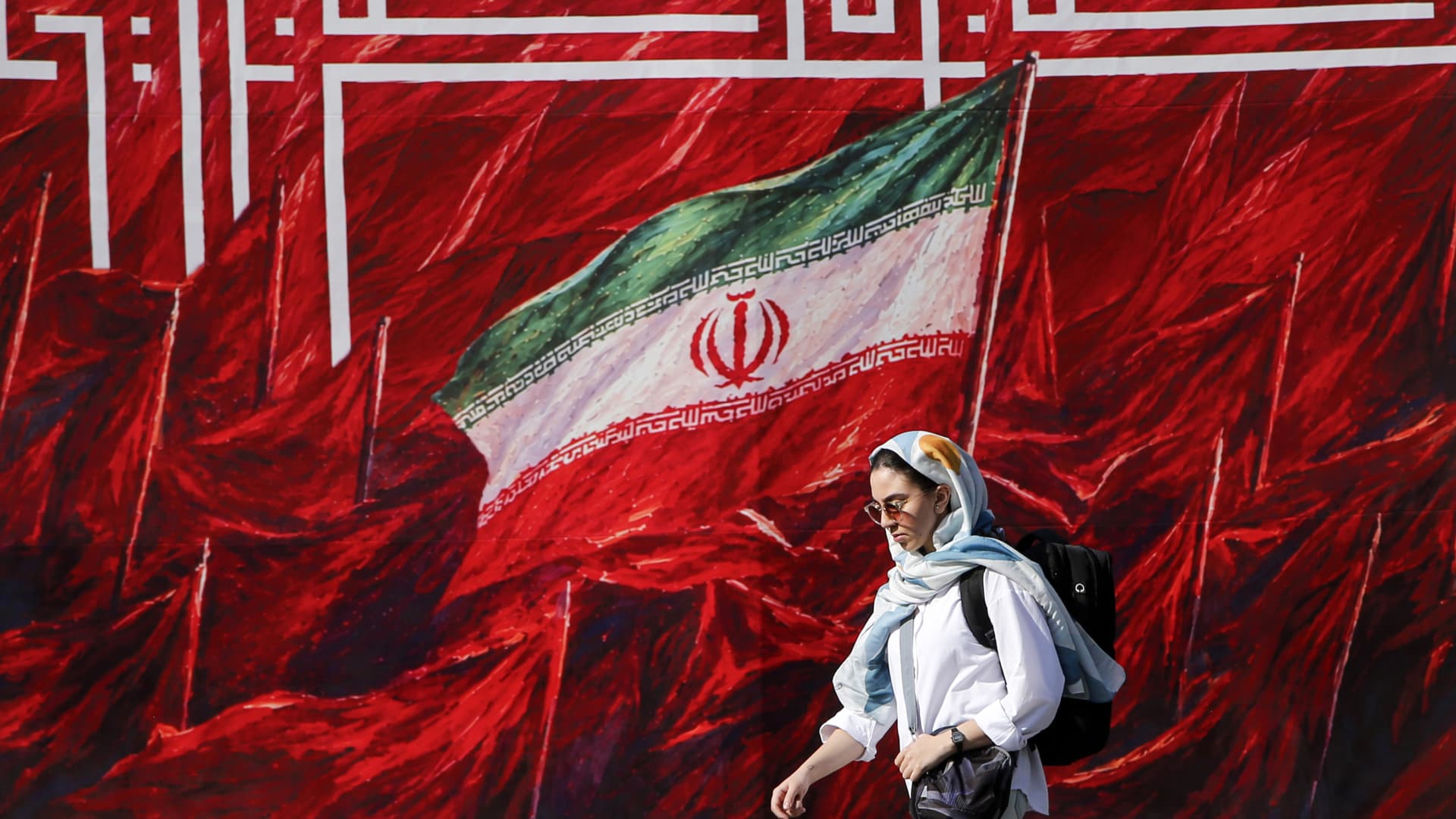
On October 12, 2026, daily life in Tehran appeared undeterred by intensifying hostilities between Iran and the United States. Reports indicate that Iran is enhancing its military readiness in anticipation of potential U.S. actions following the upcoming midterm elections on November 3.
Iran’s Military Preparations
The Wall Street Journal highlighted that the Iranian government is fortifying defenses around key installations, including nuclear sites. Officials are reportedly communicating to local and regional leaders that any new U.S. strikes would trigger an immediate retaliatory response across the Middle East.
In an effort to prepare its citizens for possible conflict, the Iranian regime is orchestrating public rallies and engaging paramilitary groups to disseminate narratives of war to younger audiences. The government is also promoting missile defense training initiatives.
Meanwhile, U.S. President Donald Trump affirmed that there would be no military action against Iran before the midterm elections, a statement indicating a brief respite in hostilities.
Escalating Conflicts in Yemen
In a parallel development, conflicts in Yemen are intensifying. The Saudi-led coalition, combating the Iranian-backed Houthi rebels, reported that it successfully intercepted a ballistic missile targeting Riyadh on Monday. This strike was just one of many against the Saudi capital, which included attacks on various energy facilities. Tragically, one of these assaults resulted in casualties, including a pilot for the Saudi airline Saudia.
In response to these ongoing threats, operations at Riyadh’s King Khalid International Airport have been disrupted, and its closure has been extended until Saturday. Additionally, the U.S. Federal Aviation Administration has issued recommendations for airlines to navigate with caution when flying over or near Saudi Arabia.
Threats to U.K. Air Force Bases
Across the Atlantic, U.K. Prime Minister Andy Burnham informed Parliament that an attempted attack on a Royal Air Force base was likely orchestrated by Iran’s Islamic Revolutionary Guard Corps. British Foreign Minister Ed Miliband responded by summoning the Iranian ambassador, emphasizing that threats against British territory would not be tolerated.
This situation escalated in late September when British police arrested five individuals on terrorism charges related to an alleged plot against RAF Fairford, a base historically utilized by the U.S. Air Force for strikes against Iranian sites. In response to these threats, President Trump stated that all long-range bombers stationed in the U.K. had been relocated.
Conclusion
The political landscape remains volatile, with Iran enhancing its military defenses and preparing its people for potential conflict, while regional dynamics in the Middle East and U.K. also reveal increasing tensions linked to Iranian activities. As international stakeholders monitor the situation closely, the implications for regional security and global political relations are significant.
