


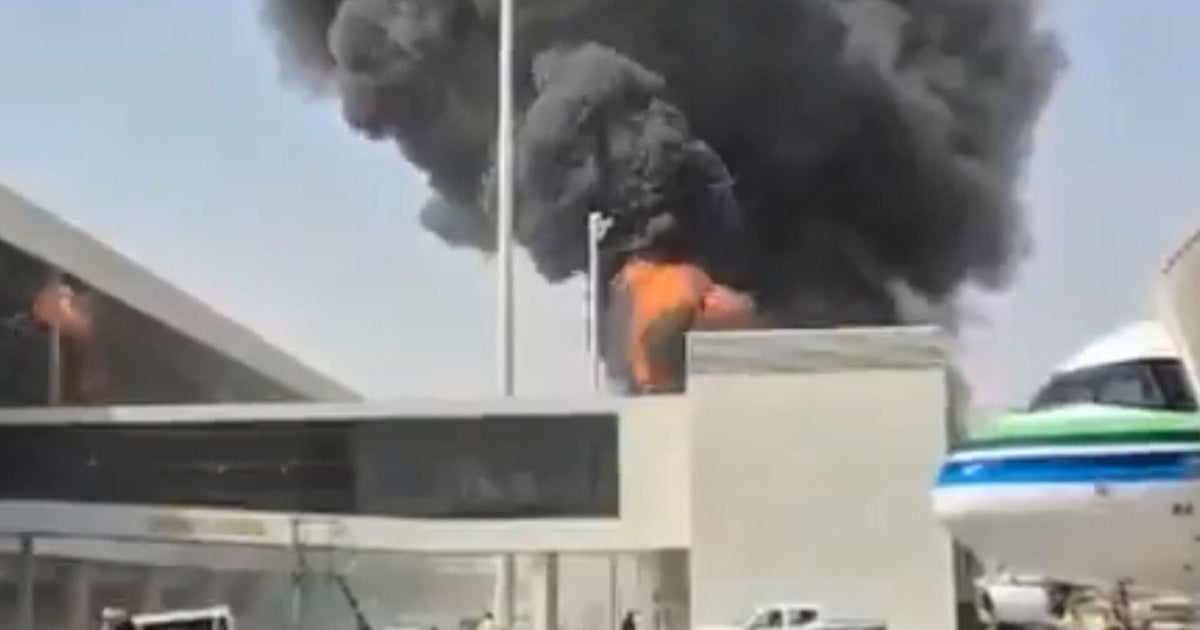
Escalating Tensions: Saudi Arabia’s Airports Under Threat Amid Houthi Attacks
King Khalid International Airport Closure Extended
The General Authority of Civil Aviation (GACA) in Saudi Arabia confirmed on Monday the extension of the temporary closure of King Khalid International Airport in Riyadh. This decision follows multiple missile strikes by Houthi forces, including a deadly attack over the weekend that resulted in 14 fatalities.
In an official statement, GACA emphasized the need to verify the safety of the airport’s facilities and their operational readiness, coordinating with relevant authorities. The airport has been closed since Saturday, when a Houthi missile strike claimed 13 lives, including that of a U.S. citizen. Another civilian succumbed to injuries from a subsequent strike on Sunday.
Claims and Accusations Surrounding Maritime Disruption
On the geopolitical front, Iranian Foreign Minister spokesperson Esmail Baghaei accused the United States and Israel of being responsible for disruptions affecting commercial shipping traffic in the Strait of Hormuz. During a regular press briefing, he stated that the situation has escalated since the onset of U.S.-Israeli airstrikes on Iran earlier this year.
Baghaei remarked, “Everything we are witnessing in the region is a result of the actions of the United States and the Israeli regime,” urging concerned nations to address the root causes of instability and pressuring the U.S. to halt its alleged aggressions.
Intensified Fighting in Taiz
In Yemen, the Houthi movement has escalated its efforts to capture the strategic city of Taiz, where recent clashes have resulted in the deaths of over 60 individuals within a 24-hour period. Military sources report that this surge in violence could significantly undermine the current Saudi-backed Yemeni government’s control.
The Houthis have effectively blocked all exits from Taiz, raising alarms about a potential humanitarian disaster as critical supplies dwindle. Health officials have stated that the city is on the brink of a health crisis, with essential medicines and fuel running perilously low.
Impact on Global Oil Prices
The ongoing conflict and rising tensions in the Gulf region have contributed to fluctuations in global oil prices. Brent crude oil prices have rebounded to over $105 per barrel, reaching a two-week peak, despite U.S. President Trump’s controversial plans to purchase diesel from Russia. Amid a backdrop of rising fuel prices ahead of the upcoming midterm elections, Trump is facing pressure from bipartisan lawmakers to reconsider his approach.
U.S. Embassy Alerts Citizens
In response to the heightened threat levels, the U.S. Embassy in Saudi Arabia has advised American citizens to exercise extreme caution while at any major airports in the country. The warning comes in the aftermath of a series of aerial attacks that have placed civilian safety in jeopardy.
Military Action in the Gulf of Oman
The Pentagon confirmed that U.S. forces recently disabled a Panama-flagged commercial vessel in the Gulf of Oman. CENTCOM reported that a fighter jet targeted the ship, which had departed from an Iranian port, using precision munitions to disable its propulsion without endangering the crew.
This incident reflects the ongoing tensions and military activities within the region since the collapse of prior peace efforts.
Continued Indirect Talks
As the situation continues to unfold, Iran’s foreign minister spokesperson revealed that discussions regarding a ceasefire proposal are ongoing, with indirect communications between Tehran and Washington persisting. The proposal includes various points that address shipping restrictions among other issues, but the U.S. has not yet responded favorably.