


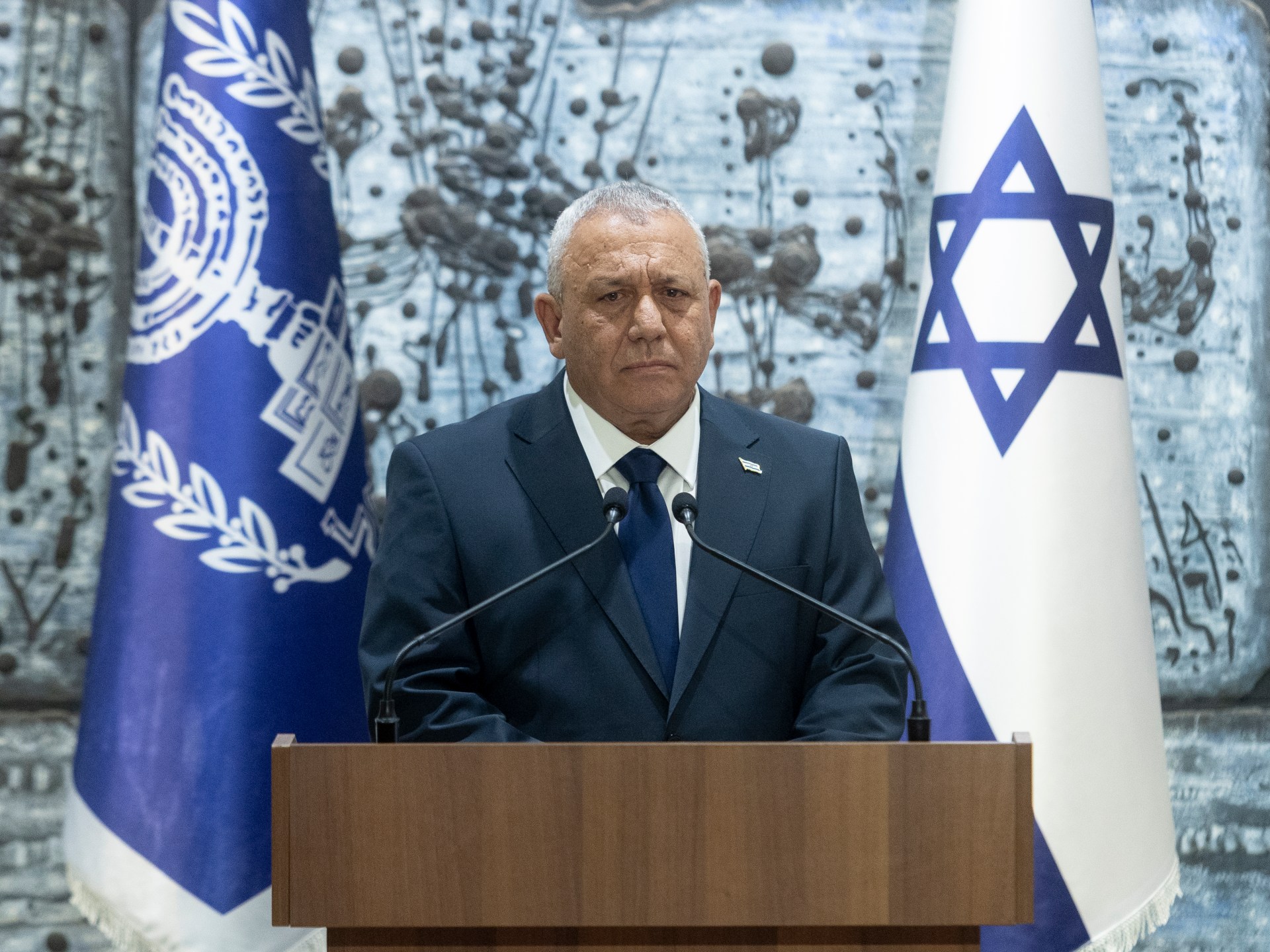
Israeli Opposition Leader Solidifies Coalition Deal with Right-Wing Party
Published on 25 Nov 2026
In a strategic move following the recent elections, Gadi Eisenkot, the leader of the Israeli opposition, has announced a coalition agreement between his centrist Yashar party and the right-wing Israel Our Home party, headed by Avigdor Lieberman. This partnership marks a significant development in Israel’s political landscape as parties work to establish a functioning government after the elections held in October.
Coalition Formation Amidst Political Stalemate
The centrist Yashar party confirmed the coalition pact on a Tuesday following a meeting with Lieberman. This alliance is notable as it represents the first significant coalition agreement since the elections, which resulted in no political bloc achieving a 61-seat majority necessary for government formation.
In light of the parliamentary stalemate, President Isaac Herzog has entrusted Eisenkot with the task of forming a new government. Meanwhile, Benjamin Netanyahu, leader of the Likud party, continues to serve as caretaker prime minister despite losing his majority in the October 27 elections.
Government Formation Deadline
Eisenkot faces a tight deadline to assemble a government, with a mandate lasting until December 6. He has the option to request a 14-day extension if needed. Should Eisenkot be unsuccessful, Netanyahu will have another chance to negotiate a government, and the specter of a new election looms if no consensus is reached.
Political Dynamics and Potential Alliances
Currently, the right-wing Likud party, along with its far-right and ultra-Orthodox allies, holds 53 of the Knesset’s 120 seats. In contrast, Eisenkot’s Yashar party and its coalition partners, including Lieberman, command a total of 48 seats. They may find potential allies among the Arab parties, which collectively hold 19 seats and have expressed opposition to Netanyahu’s leadership.
Liberman, previously a member of Netanyahu’s cabinet as foreign minister, has since become a vocal critic of his former ally.
Discussions on Unity Government
Negotiations are also ongoing involving Eisenkot, certain partners from his “change bloc,” and the Likud party regarding the formation of a unity government. However, the left-leaning Democrats party, which secured eight seats, has decided to suspend talks with Eisenkot following his discussions with Likud about potential unity.
Yair Golan, the leader of the Democrats party, has stated a preference for forming a government that excludes Netanyahu yet includes the Arab factions.