


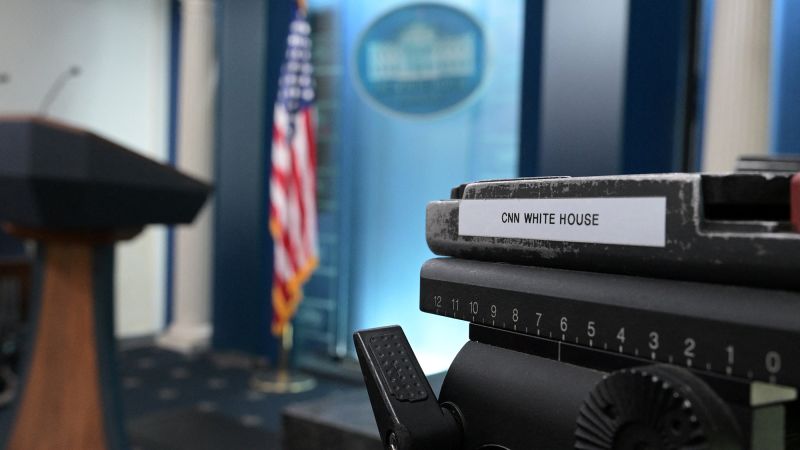
Implications of Trump’s Media Access Policies on Journalistic Freedom
The Bigger Picture
The ongoing legal case surrounding media access in the White House transcends the immediate conflicts involving three specific plaintiffs. It reflects broader concerns regarding presidential control over the media, as President Donald Trump appears to navigate the boundaries of journalistic engagement.
A Desire for Control
Public statements and posts on Trump’s Truth Social platform suggest a desire to classify genuine news as “fake news,” coupled with an inclination to replace established reporters with more compliant voices. This trend raises questions about the integrity and impartiality of press coverage during his administration.
Shaping Media Landscape
This attempt to restrict media access is part of a larger initiative aimed at reshaping public discourse and diminishing journalistic scrutiny that does not align with his preferences.
Solidarity Among News Outlets
The press corps has demonstrated remarkable solidarity with organizations such as CNN, MSNOW, and Politico. Many in the media community recognize that such actions could have wider ramifications, potentially affecting numerous news outlets in the future.
Support from Advocacy Groups
A friend-of-the-court brief submitted by the Reporters Committee for Freedom of the Press included signatures from 77 different news organizations and advocacy groups, underscoring the collective concern over the evolving media access landscape.
Engagement with Media Leaders
Recently, Jacqui Heinrich, Fox’s senior White House correspondent and president of the White House Correspondents’ Association, engaged in an off-the-record meeting with Trump during a flight on Air Force One to discuss media access issues. Although details from the meeting remain confidential, it was noted that she advocated for improved press accessibility.
Statements from Heinrich
In an interview with the Los Angeles Times, Heinrich shared critical insights about the impact of media restrictions: “When you empower the president to select who is allowed to ask them questions, it shrinks the room.” She further warned of potential repercussions for conservative news organizations, indicating that “if Trump’s ban stands, conservative news organizations could find themselves facing similar restrictions the next time a Democrat is in the Oval Office.”
