


Maine Lobsterman Challenges GPS Tracking Requirement After Supreme Court Decision
A Generational Tradition at Risk
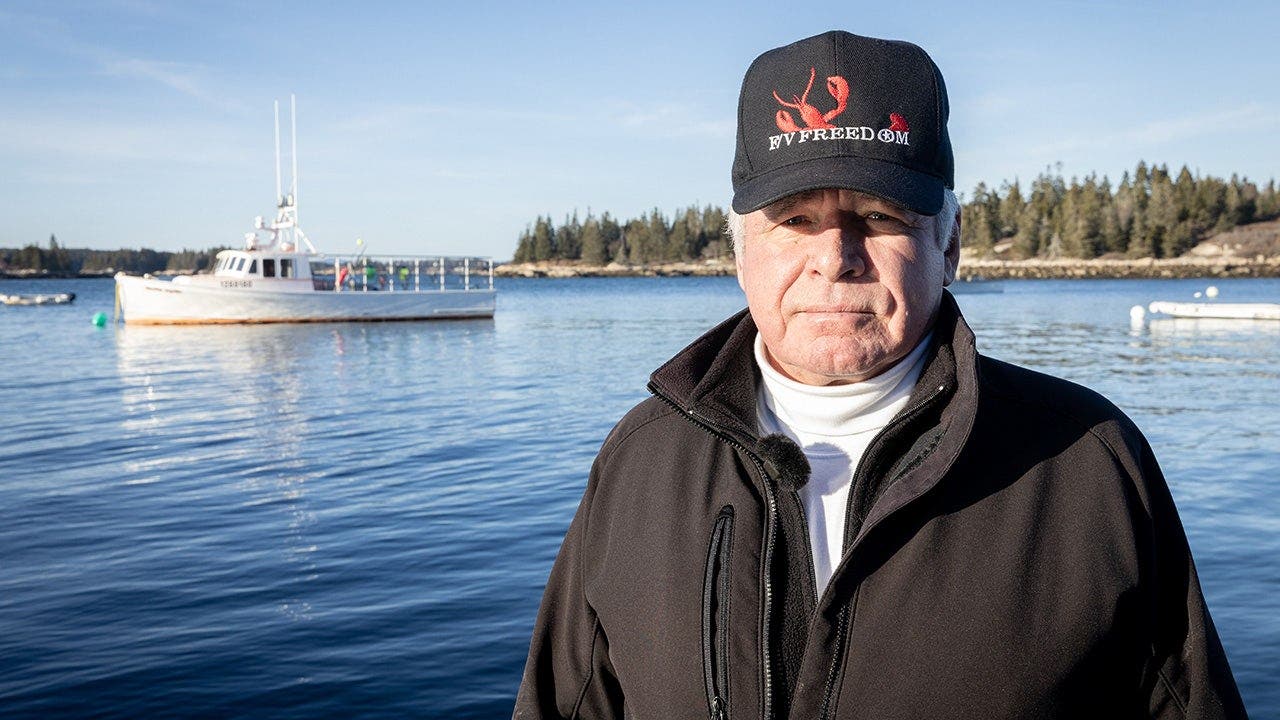
Frank Thompson, a fifth-generation lobsterman from Vinalhaven, Maine, is standing firm against a recently upheld GPS vessel-tracking mandate. This regulation has raised significant concerns regarding privacy and the autonomy of traditional fishing practices. The U.S. Supreme Court’s recent decision not to hear Thompson’s appeal leaves the tracking requirements intact, threatening the way of life he cherishes and his family’s legacy of fishing.
Privacy Concerns and Legal Battles
The GPS tracking system, which Thompson vehemently opposes, is described as a “government-issued 24/7 ‘ankle bracelet.'” He argues that this surveillance infringes on his Fourth Amendment rights. “This black box that they’re putting aboard the boat is not legal, in my mind, and I’m not a criminal,” Thompson stated in an interview.
Thompson’s concerns deepened when he learned of the Supreme Court’s decision through a text from his son while he was out fishing. The ruling followed a First Circuit decision asserting that the tracking requirement does not violate privacy rights due to the closely regulated nature of the lobstering industry.
Tracking Details and Industry Implications
The Maine Department of Marine Resources (DMR) implemented the tracking mandate in 2023, accompanied by support for its necessity in protecting endangered North Atlantic right whales and monitoring lobster population sustainability. The devices record location data every minute while the boat is in motion and every six hours while docked, capturing information even during personal outings, which Thompson describes as a “creepy feeling.”
“Freedom is gone. What else can they do to us?” he lamented, emphasizing that this issue extends beyond fishing, potentially setting a precedent that could affect other regulated industries.
Community Support and Broader Concerns
Matthew Gilliam, Thompson’s attorney at the Pacific Legal Foundation, argues that fisherman like Thompson should not be subjected to warrantless increases in government oversight simply to maintain their livelihoods. Following the Supreme Court’s refusal to take up the case, the American Farm Bureau Federation expressed support for Thompson’s stance, suggesting that precedent set in this case could weaken Fourth Amendment protections for farmers and ranchers.
Conversely, the Conservation Law Foundation has endorsed the tracking requirement, asserting its critical importance for resource management amidst ecological concerns.
Continuing the Fight Against Regulation
Despite the legal setbacks, Thompson remains resolute. “I’m fighting for everybody, not just myself,” he insists, highlighting the broader implications of government overreach on individual privacy rights and traditional ways of living. He expresses concern that ongoing regulations could jeopardize the livelihood of future generations of lobstermen.
The Maine DMR maintains that the data collection is vital for the sustainability of the lobster fishery. However, Thompson urges for a reassessment of such oversight, calling it a violation of personal freedoms that significantly impacts a lifestyle cherished by many.
