


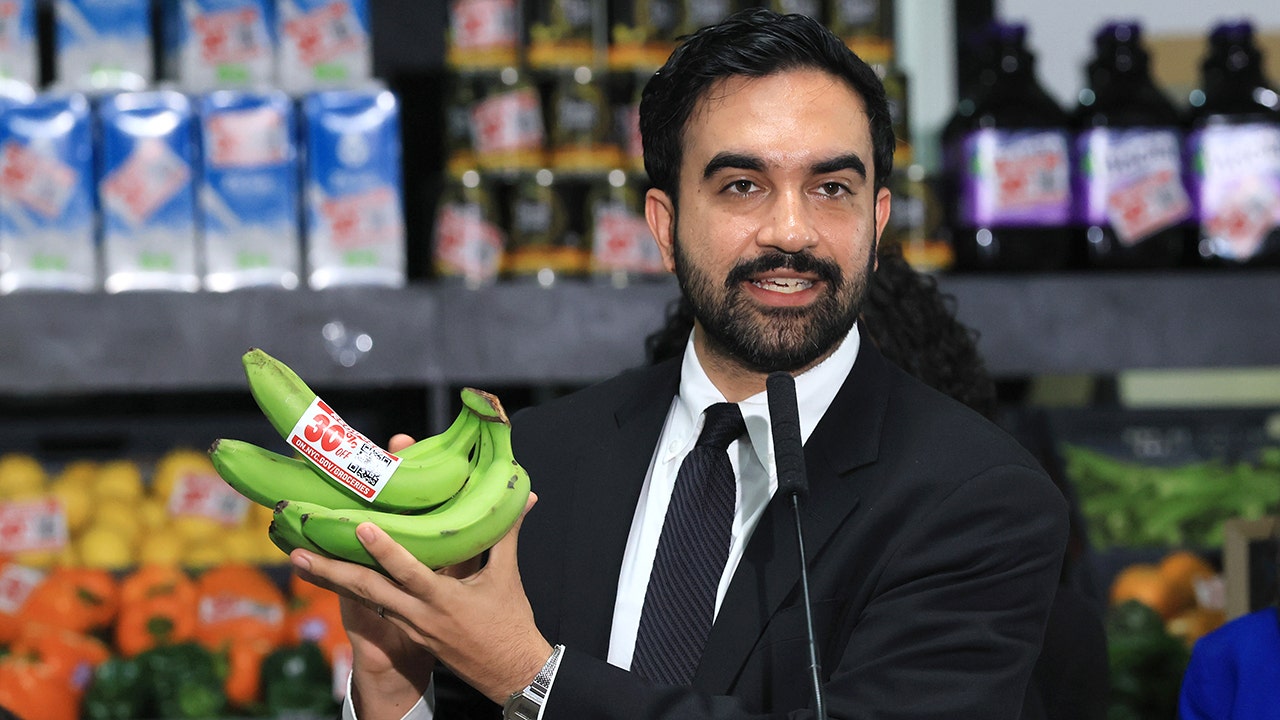
NYC Mayor Mamdani Discusses Grocery Store Plan Amid Legal Challenges
Background on the Grocery Store Initiative
New York City’s Mayor, Zohran Mamdani, recently faced scrutiny regarding a proposed initiative to open five city-owned grocery stores. This plan has sparked a class-action lawsuit from the Multicultural Business Coalition, raising questions about its implications for existing businesses and economic viability.
Mayor’s Response to Economic Concerns
During an interview at the DealBook Summit, renowned New York Times columnist Andrew Ross Sorkin questioned Mamdani about the financial mechanics behind the initiative, particularly noting that traditional supermarkets typically operate on profit margins as slim as 1% to 4%. Sorkin asked, “How is this going to work at all? Just walk through the math when you think about it.”
In response, Mamdani affirmed that the grocery stores would be “subsidized,” but refrained from offering specifics on how these subsidies would impact the competitiveness of other supermarkets in the city.
Public Sector Involvement in Grocery Operations
Mamdani emphasized the necessity of such stores in the current economic landscape, where many New Yorkers are grappling with rising food prices. He pointed out that the rationale behind public funding for grocery stores mirrors the public support existing for services like public transportation, schools, and libraries.
“When society deems something necessary for the public, then we subsidize its creation and its operation,” Mamdani stated. He expressed a desire for public sector services to be compelling enough that residents would choose them irrespective of their financial situation.
Expert Opinions on the Grocery Store Initiative
Experts have criticized Mamdani’s grocery store plan, describing it as fundamentally flawed and labeling it an “illusion” that could impose a financial burden on taxpayers. Concerns have been raised about the potential negative impact on local grocery stores, including bodegas and small supermarkets, which could lose customers due to the competition created by subsidized grocery outlets.
