


Meta Unveils Advanced AI Models Muse Wonder and Wonder Full
Meta’s Superintelligence Lab has introduced two innovative models, Muse Wonder and Muse Wonder Full, marking a significant advancement in the company’s AI capabilities. Announced on Monday, these models represent Meta’s inaugural effort in developing frontier models aimed at boosting personal superintelligence.
Advancements in Performance
Unlike the previous Muse Spark model, which was designed for low-latency applications, the Wonder series is specifically engineered for enhanced capacity and performance. These models are equipped with improved benchmark scores and excel in complex domains, such as coding tasks.
Benchmark Comparisons
In Meta’s internal evaluation, both Muse Wonder and Muse Wonder Full achieved benchmark scores comparable to renowned models including Fable 5.1 and GPT-6 Astra. According to Meta, these results signify a leap in the evolution of AI technology.
Pricing and Access
Accessing the Wonder model through the Meta Model API will incur costs of $4 per million input tokens and $20 per million output tokens, placing it competitively alongside alternatives like GPT-6 Sol and Opus 5.5. However, the Wonder Full edition will be exclusive to Muse Code subscribers and is not available via the API, as both models will also serve to enhance the capabilities of the Muse agent.
Enhanced Memory Capabilities
One of the standout features of the new models is what Meta refers to as “active memory.” This capability allows for the retention and organization of user-provided information over extended timelines. Meta’s testing indicates that Muse Wonder excels in the MemoryBench benchmark, outperforming notable models like Fable, Opus, and Astra in memory retention and continual learning.
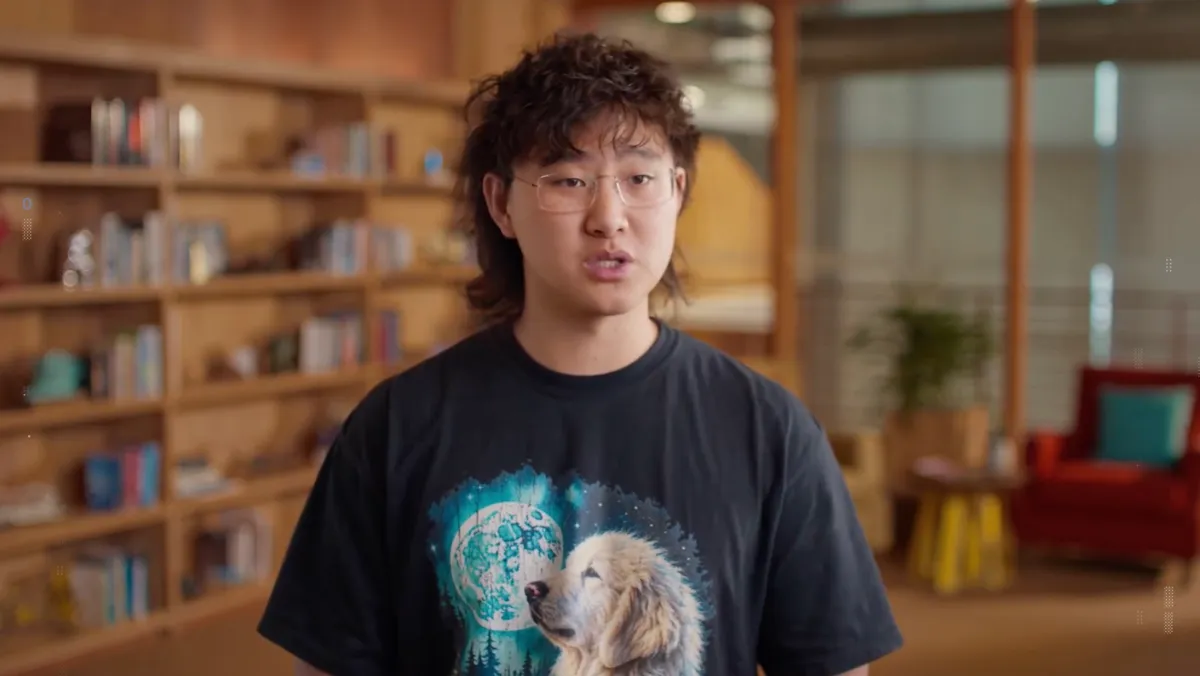
“We put a tremendous amount of effort into making sure your model can remember what’s important to you over days, weeks, months, and beyond,” stated research scientist Kavya Kopparapu in a video accompanying the launch.
Context and Development
The release of these frontier models follows a restructuring of Meta’s AI initiatives led by Alexandr Wang, founder of Scale AI, in August of the previous year. Since that time, Meta has also released the Muse Spark model and Muse agent but has been cautious in rolling out state-of-the-art models similar to those developed by OpenAI and Anthropic.
Both models were trained at Meta’s Prometheus data center located in central Ohio, which became operational earlier this year.
