


North Carolina’s Response to Cryptocurrency Kiosk Scams
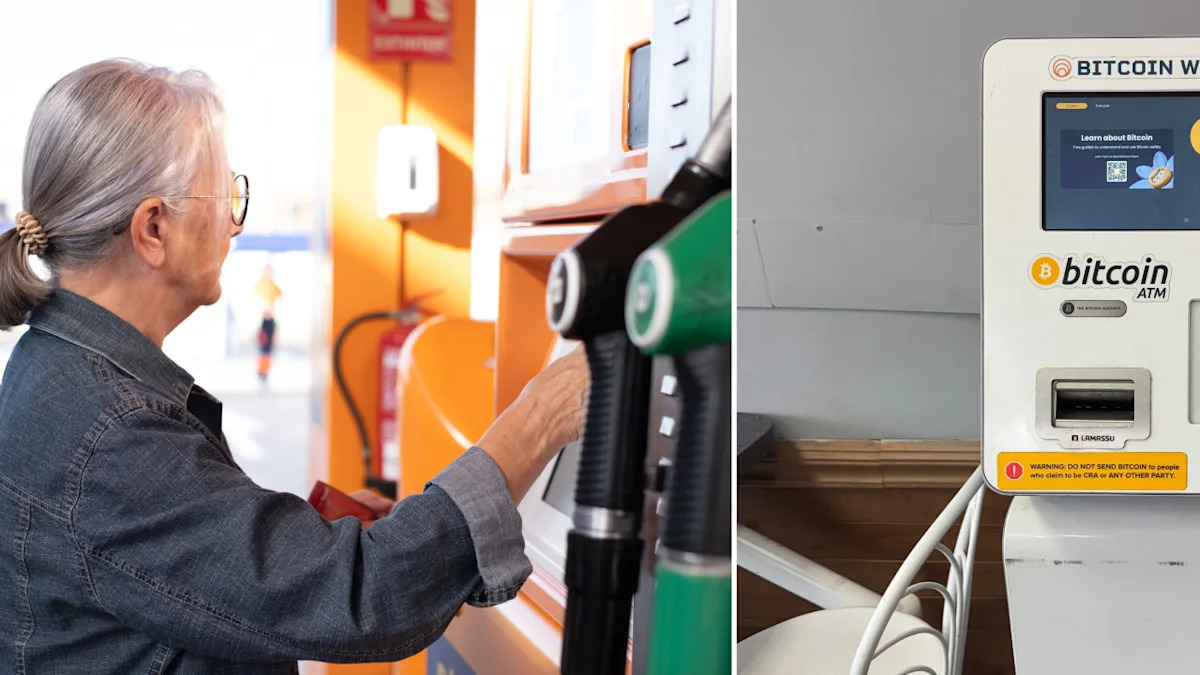
In Johnston County, North Carolina, a woman fell victim to a sophisticated cryptocurrency scam. Misled by individuals posing as local law enforcement, she transferred her savings into a cryptocurrency kiosk at a gas station, believing it would secure her release from bogus custody.
After being coerced into sending additional funds and with the realization that she had been deceived, the victim decided to seek professional help. “I just set up an appointment with a counselor, so I’d have somebody to talk to, because it’s really hurt me financially and hurt me mentally,” she shared with WRAL.
The matter has garnered the attention of North Carolina Attorney General Jeff Jackson, who confirmed that the U.S. Department of Justice is investigating the practices of the kiosk companies involved in such scams.
Why Are Cryptocurrency Kiosks Targeting Individuals?
Cryptocurrency kiosks, resembling standard ATMs, facilitate cash-to-cryptocurrency transactions quickly and with minimal traceability. This anonymity has made them attractive to scammers. The FBI reported significant increases in scams related to these kiosks, with complaints surging to over 13,400 in 2025—an uptick of 23% from the previous year. Victims reported losses exceeding $388 million, with individuals aged 50 and above representing a substantial portion of the complaints.
Comparatively, in 2023, there were 5,500 complaints and losses reaching $189 million. The Federal Trade Commission also noted that losses associated with cryptocurrency ATMs skyrocketed nearly tenfold from 2020 to 2023, especially impacting older adults.
Legislation Aimed at Protecting Consumers
In response to growing concerns, North Carolina’s Governor Josh Stein signed House Bill 920 into law, effective January 1, 2027. This legislation aims to safeguard users of cryptocurrency kiosks by enforcing licensing, setting transaction limits, and mandating security measures, including scam alerts and customer service access.
Key Provisions of the New Law
- Transaction limits for new customers set at $2,000 daily with a 48-hour hold on funds.
- Existing customers may transact up to $7,500 a day.
- Fees are capped at 12%.
- Refund eligibility for new customers is contingent upon reporting fraudulent activity to the state banking commissioner within 30 days.
These measures aim to minimize potential losses and provide avenues for recovery in the event of a scam.
Staying Safe from Cryptocurrency Scams
While the new law is pending, individuals are advised to remain vigilant against scams. According to the FBI, payments directed via cryptocurrency kiosks upon the request of callers claiming to be law enforcement are not legitimate. Here are some recommended precautions:
- Do not send money to individuals encountered solely online.
- Avoid using QR codes or payment instructions from unknown parties.
- If a kiosk operator suggests fraud, halt your transaction immediately.
- Maintain copies of receipts and transaction logs for reference.
- Contact the relevant agency or organization directly to verify any claims of authority.
- If scammed, report it to local authorities, the FBI at ic3.gov, and the FTC at ReportFraud.ftc.gov.
