


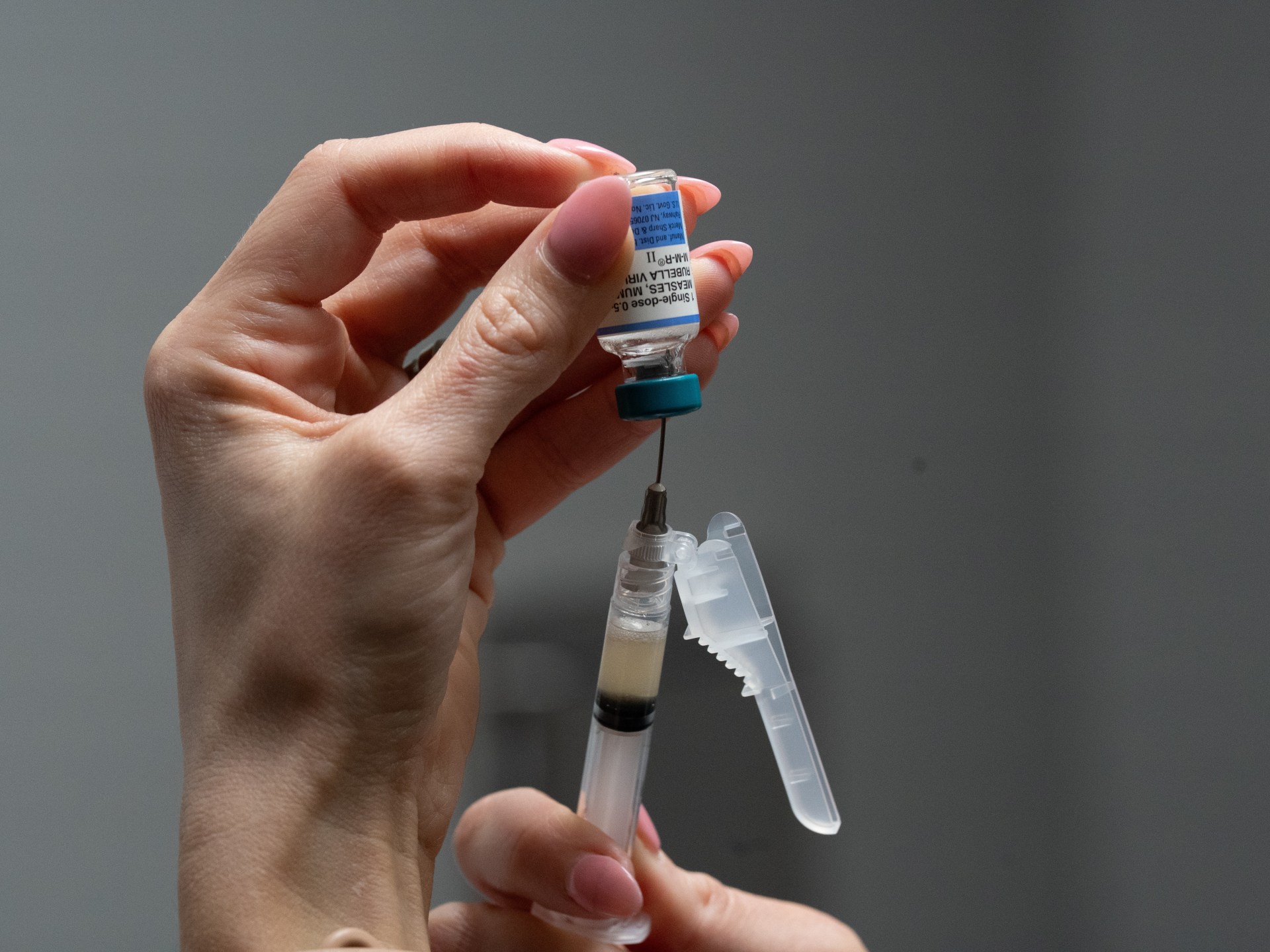
New York Declares Measles Emergency Amid Rising Cases
Overview of the Measles Situation in the U.S.
Since the year 2000, the United States had effectively eliminated the domestic spread of measles. However, recent years have witnessed a resurgence in cases, which officials attribute primarily to declining vaccination rates below the critical threshold required for herd immunity.
State of Emergency Announced in New York
In response to a significant outbreak, New York Governor Kathy Hochul has declared a disaster emergency concerning measles. This proclamation, issued on Monday, allows health professionals greater flexibility in administering measles-mumps-rubella (MMR) vaccines to combat the rising number of cases.
As of October 3, the state has reported 108 measles cases this year, a spike attributed to both urban and rural communities, with a majority of cases occurring outside of New York City.
Impact of Declining Vaccination Rates
Governor Hochul emphasized the imperative of preventing serious illness or fatalities from vaccine-preventable diseases, noting that 92 cases have emerged since mid-July in regions identified as having inadequate vaccination coverage. The declaration will remain in effect until November 4.
Health specialists have linked the rising incidence of measles to a worrying trend of vaccination rates dropping below the 95 percent threshold deemed necessary to forestall outbreaks. Pennsylvania has reported a staggering 1,000 cases this year, marking the largest outbreak in the U.S. in the past three decades, with additional cases noted in states including Texas, Utah, Ohio, and South Carolina.
Concerns Over Public Perception and Vaccination
The uptick in measles cases has coincided with the momentum of the anti-vaccination movement, which has gained visibility and support, including from notable figures in the Trump administration. Critics point to this growing movement as a significant factor contributing to the current public health crisis.
Global Implications and Future Outlook
In light of these developments, the Pan American Health Organization (PAHO) will meet in November to assess whether the U.S. and Mexico will retain their measles-free status. The organization stresses the importance of maintaining high vaccination rates, robust surveillance systems, and effective outbreak response strategies as vital components of measles elimination.
“PAHO reiterates the importance of maintaining high and homogeneous vaccination coverage, strengthening epidemiological surveillance, and ensuring timely outbreak response, as essential pillars to halt transmission and sustain measles elimination in the countries of the Americas,” the organization stated.
