


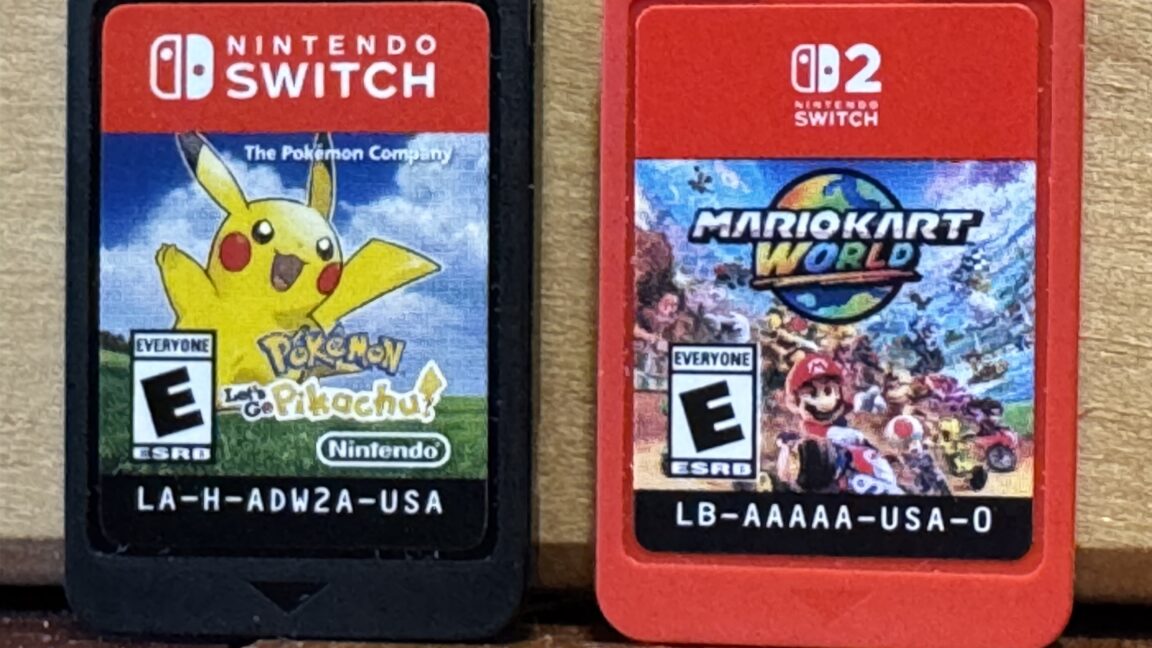
Nintendo’s Commitment to Physical Cartridges Amid Digital Growth
Nintendo has recently reaffirmed its dedication to physical game cartridges, indicating that it does not plan to eliminate this production format anytime soon. Despite the industry trends towards digital distribution, the company remains invested in the cartridge system for its popular Switch console. However, there are indications that production costs may increase due to reliance on suppliers for essential components.
Challenges in Cartridge Production
The production of Nintendo cartridges is likely to face challenges, given the company’s dependence on suppliers like Rohm and Lapis Semiconductor for the ROM chips that are integral to these cartridges. This increased reliance could lead to a rise in manufacturing costs, which, in turn, might influence the retail prices set by publishers for Switch physical games.
- Earlier this year, Nintendo raised prices on certain physical game titles compared to their digital counterparts.
- Japanese publisher Inin expressed a similar concern, stating that they would commit to a physical release for R-Type Dimensions III only after adjustments in cartridge sizes significantly reduced production expenses.
Shifting Sales Dynamics
The landscape of game sales is evolving, with digital purchases playing an increasingly dominant role in Nintendo’s revenue. In the second quarter of 2026, digital sales accounted for 61.5 percent of the company’s business—a slight increase compared to the previous year. This shift in consumer preference towards digital formats may influence the future of physical cartridge production.
If the trend of rising digital sales continues, it may ultimately reduce the demand for ROM-based cartridges. Such a shift could lead to a stabilization of production costs over time, potentially balancing out the economic pressures facing publishers and manufacturers.
