


The Evolution of Performance Metrics in the Automotive Industry
Paradigm Shift in Performance Metrics
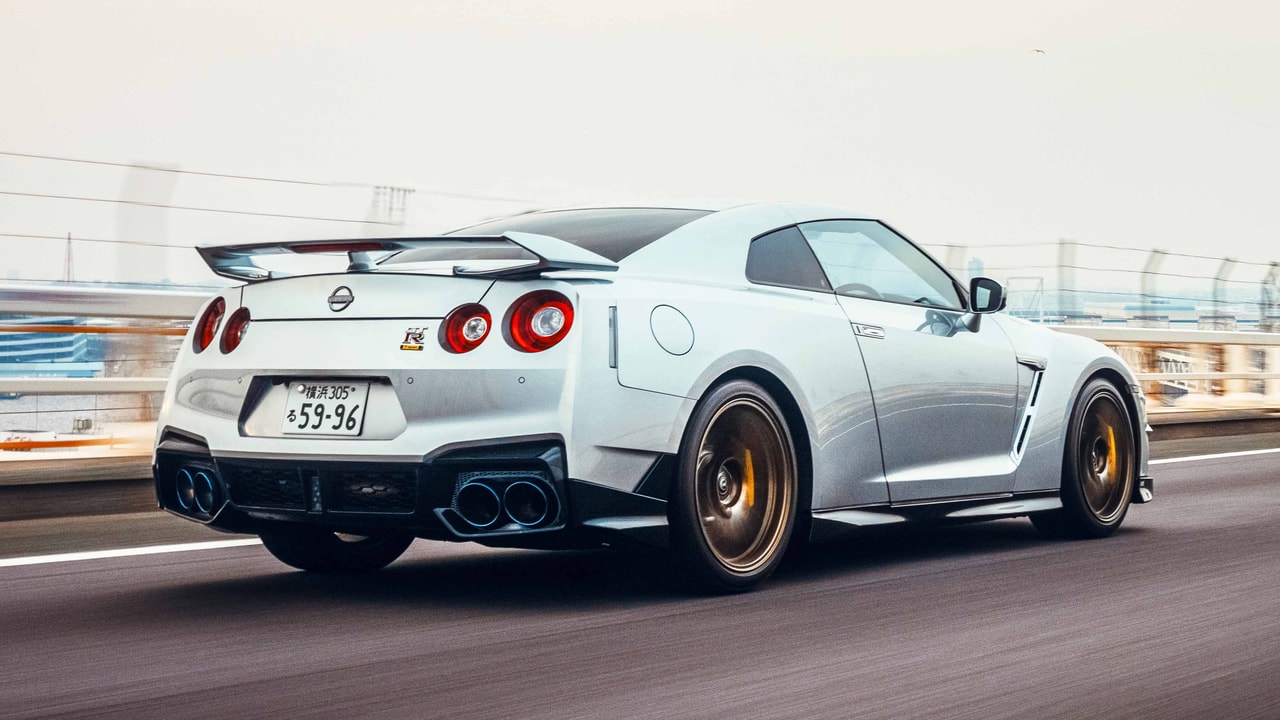
The landscape of automotive performance has evolved significantly over the years, particularly with the introduction of dual-clutch transmissions (DCTs), all-wheel drive (AWD) systems, and turbocharged engines. This transformation can be traced back to iconic vehicles such as the Nissan GT-R, which demonstrated the feasibility of high-performance vehicles for a broader market. Following in its footsteps, manufacturers quickly adapted these technologies, resulting in accessible models like the Volkswagen Golf R.
The Golf R Phenomenon
Once celebrated for its affordability and performance, the MkVII Golf R was offered at an impressive monthly lease rate of approximately £250, making it a popular choice among consumers. This vehicle could accelerate from 0 to 60 mph faster than many supercars could achieve just a decade prior, showcasing the advancements in automotive performance.
Impact of Electric Vehicles
The shift to electric vehicles (EVs) further transformed the performance metrics game. Tesla’s introduction of ‘Ludicrous mode’ exemplified how EVs could redefine acceleration benchmarks, generating discussions among traditional automotive enthusiasts who often relegated electric models to a lower status in terms of performance. However, the emergence of hybrid models, combining powerful combustion engines with electric assistance, marked a new chapter in performance without sacrificing speed.
Corvette ZR1X: A Game Changer
Breaking records and norms, the Corvette ZR1X stands out as the latest example of high-performance engineering, capable of reaching 60 mph in a remarkable two seconds. Priced competitively, the ZR1X offers unparalleled performance compared to similarly priced offerings from luxury brands such as Ferrari and Lamborghini. Its ability to outperform models like the Porsche 911 Turbo and high-performance electric vehicles in drag races sends ripples through the car collector community, prompting a reevaluation of what performance means in everyday vehicles.
Shifting Perspectives on Performance
As more high-profile collectors begrudgingly embrace the Corvette ZR1X, a broader change may unfold in the industry. The realization may dawn that attempting to compete with such performance is futile, inspiring manufacturers to focus on enhancing driving experiences rather than purely chasing acceleration figures. For instance, Porsche’s GT3 model exemplifies this philosophy by prioritizing driver engagement over continuous power increases. Similarly, Pagani has shifted its focus away from the mere quest for faster lap times, opting instead for a commitment to aesthetic and experiential excellence.
A New Direction in Automotive Design
The automotive industry is witnessing a trend where performance cars hone in on sensory experiences and greater enjoyment at lower speeds. Even Hennessey, known for its high-output hypercars, has recognized this shift with its new model, the Blackbird, which features significantly lower power output without turbos. This approach suggests that a revival towards lighter, more performance-focused vehicles is forthcoming, offering a refreshing take on driving enjoyment.
The Future of Everyday Performance Vehicles
The ideal future may include cars that balance weight and power more harmoniously. For example, a hot hatch weighing around 1,150 kg with 250 bhp paired with a manual transmission at an affordable price point could redefine what is considered exhilarating driving.