


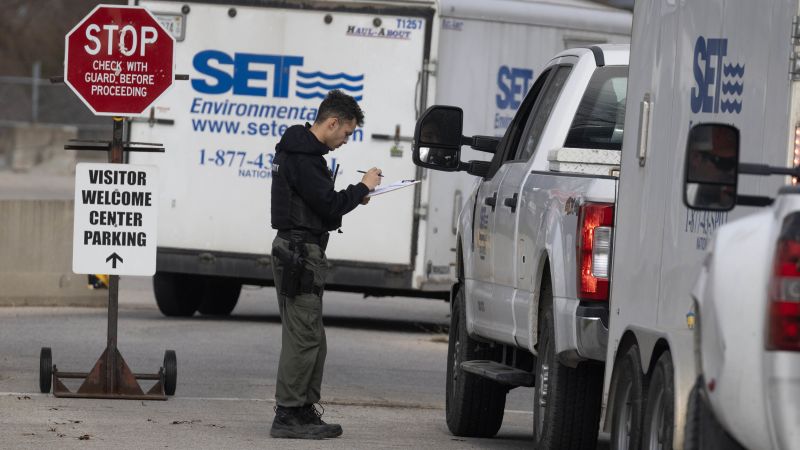
EPA Reports No Lead Detected After Iowa Ammo Plant Detonation
In the wake of a significant detonation of volatile materials at an ammunition facility in Middletown, Iowa, the Environmental Protection Agency (EPA) announced on Saturday that preliminary tests show no elevated lead levels in public water supplies. The detonation took place just three days earlier, involving nearly five tons of degraded lead azide.
Initial Water Sample Findings
The EPA reported that 38 water samples collected from local public water supplies—both treated drinking water and untreated water from intake sources—revealed no detectable lead contamination. “EPA found no lead in the samples taken post-detonation,” the agency stated in a press release.
Ongoing Testing and Assessments
Moving forward, the EPA emphasized its commitment to ongoing monitoring, with over 3,200 samples of air, soil, dust, and water being tested rapidly. “We will continue to provide updates in the coming days as new lab results return and get validated,” the agency added.
Community Concerns
The detonation raised concerns among local residents, public officials, and environmental groups regarding potential health effects and environmental impacts in Iowa and neighboring Missouri. Following the explosion, which drew attention due to its scale, the EPA began sample collection to assess any potential lead fallout.
Airborne Lead and Safety Measures
In a reassuring note, EPA officials indicated that no airborne lead was detected within 30 minutes post-detonation, and subsequent tests showed consistency in these results. “Air testing conducted by the EPA concluded with zero detection of lead after 30 hours,” the agency confirmed.
Background and Preparations
The U.S. Army had determined that a controlled detonation was the safest option for disposing of the degraded materials, which had reportedly been known to pose risks for years. Officials stated the materials had been deteriorating since at least March 2023, with indications of their degraded state dating as far back as 2009.
Environmental Monitoring and Legal Challenges
In the aftermath of the explosion, over 1,600 air, water, soil, and dust samples were collected from more than 180 locations. An impressive 88% of post-detonation sampling at homes has already been completed. Despite a lawsuit aiming to halt the detonation, which temporarily succeeded in obtaining a stay, a three-judge appellate panel ultimately permitted the detonation to proceed. Environmental groups have expressed their intent to hold the government accountable for subsequent cleanup efforts.
Conclusion and Future Updates
As federal agencies coordinated an effective response to ensure residential safety, residents were cleared to return home shortly after the controlled explosion. The EPA continues its comprehensive monitoring efforts and intends to keep the public informed as new data emerges.
