


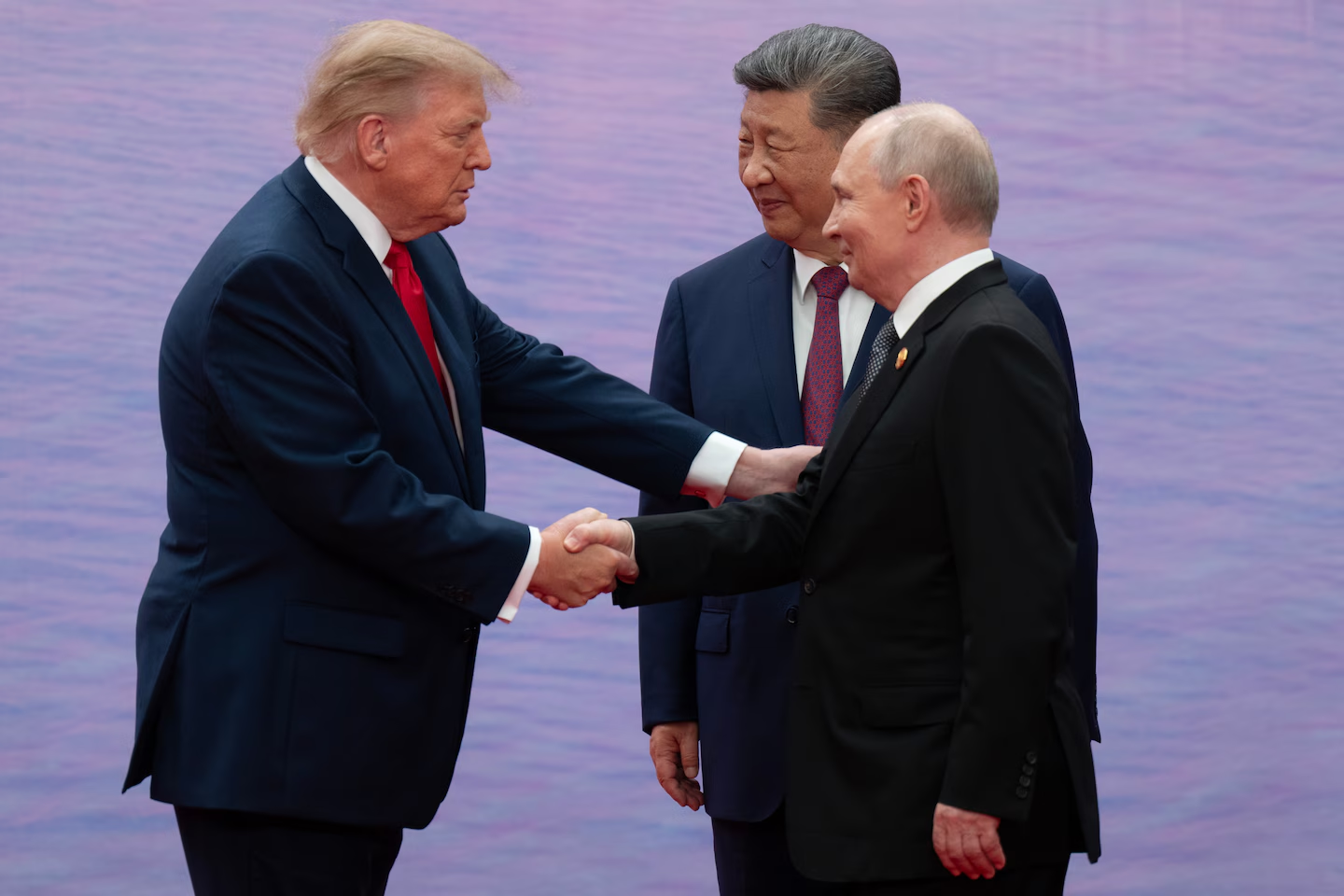
U.S.-Russia Relations: Insights from the Director of National Intelligence
In a recent interview with ABC News, Jay Clayton, the Director of National Intelligence, addressed the contentious relationship between the United States and Russia, particularly during the ongoing conflict in Ukraine. This discussion was prompted by remarks made by former President Donald Trump, who referred to Russian President Vladimir Putin as “my friend.”
Key Statements from Jay Clayton
During the interview, Clayton stated unequivocally that “Putin is not America’s friend in Ukraine.” This assertion underscores the contrasting views within U.S. leadership regarding engagement strategies with Russia, especially in light of geopolitical tensions exacerbated by recent military actions in Ukraine.
Context of the Discussion
The backdrop to this dialogue includes ongoing military conflict, diplomatic tensions, and a long-standing history of mistrust between the two nations. As Ukraine continues to defend itself against Russian aggression, the dynamics of international relations and alliances become increasingly complex.
Implications for U.S. Foreign Policy
Clayton’s remarks may reflect broader national security perspectives that aim to delineate clear boundaries for U.S. relations with adversarial countries. This clarity could influence future diplomatic efforts and military support strategies pertaining to allies in Eastern Europe.
The statements by the Director of National Intelligence highlight the critical challenges faced by the U.S. in navigating its relationship with Russia. As the situation in Ukraine evolves, it remains essential for leaders to communicate a unified message regarding national interests and international alliances.
