


Samsung Galaxy Z Flip 8 Review: A Comprehensive Overview
Introduction
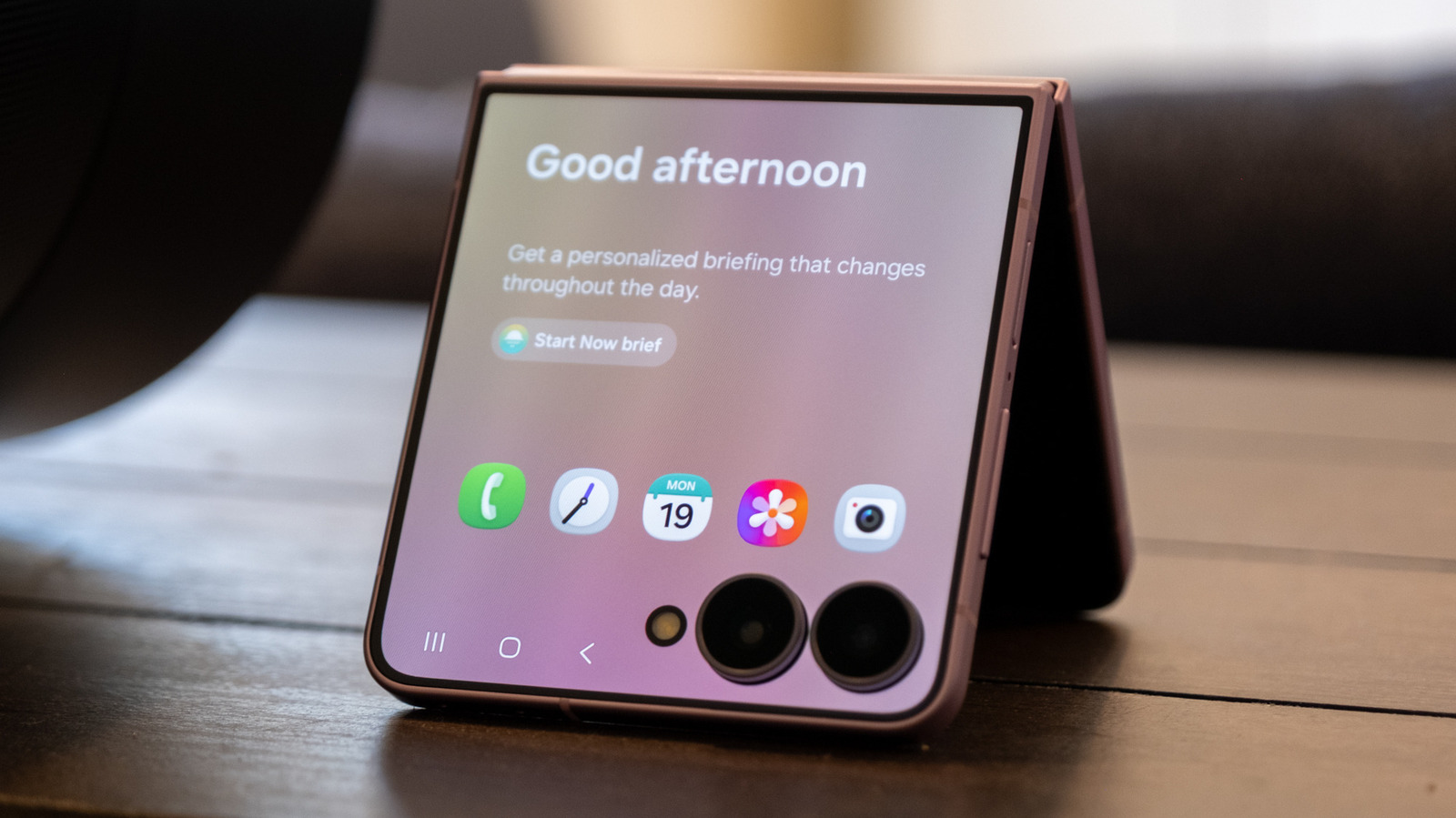
The Samsung Galaxy Z Flip 8 emerges as the latest iteration in the Z Flip line, showcasing advancements while retaining the core essence of its predecessors. Priced at $1,199.99, it offers incremental improvements in design and performance, but raises questions for current Z Flip 7 users contemplating an upgrade.
Design Specifications
Weighing 180 grams, the Z Flip 8 measures 6.1mm when unfolded and 13.1mm when folded. Compared to the previous model, the Z Flip 7, it boasts a reduction of 0.4mm in thickness when unfolded and 0.6mm when folded, along with a marginal weight reduction of 8 grams. While these changes are subtle, they contribute to the slim design that defines the Z Flip line.
One notable enhancement is the reimagined hinge mechanism. This upgrade results in a greater separation between the two halves of the device and a less forceful magnetic closure, making it easier to open the phone with one hand. The phone retains an IP48 rating for water resistance, although it lacks full dust protection.
Build quality remains impressive with Gorilla Glass Victus 2 on the outer surface, complemented by a glass-reinforced polymer back and Advanced Armor Aluminum for the frame. Available color options include Graphite, Cream, Pink, and a unique Mint shade offered exclusively online.
Display Features
The Z Flip 8 features a 6.9-inch Dynamic AMOLED 2X main display with a resolution of 2520 x 1080. Its refresh rate adapts between 1Hz and 120Hz for smoother visuals. The cover display is a 4.1-inch AMOLED, operating at 948 x 1048 with a refresh rate of 60–120Hz. While there is no significant departure in display specs from the Z Flip 7, brightness levels are commendable, with peak brightness rated at 2,600 nits.
Despite these capabilities, the absence of an anti-reflective coating is notable, affecting visibility in bright environments.
Performance Overview
The performance of the Galaxy Z Flip 8 varies by region, featuring Qualcomm’s Snapdragon 8 Elite Gen 5 processor in North America, while some markets utilize Samsung’s Exynos 2600 chipset. The model evaluated here included 12GB of RAM paired with the Snapdragon processor, resulting in improved performance over the Z Flip 7.
Daily operation felt quick and responsive, with efficient multitasking capabilities. During benchmarking tests, the device achieved a notable stability score of 37.8% in 3DMark’s Wild Life Extreme Stress Test, with a peak score reaching 7,314. Geekbench 6 recorded a multi-core score of 10,900 and a single-core score that exceeded 3,600, reflecting a 57% improvement from its predecessor.
Battery Life and Charging
Powering the Galaxy Z Flip 8 is a 4,300 mAh battery, identical in capacity to the Z Flip 7. This model introduces silicon-carbon battery technology, which optimizes space. Battery life is similar to that of its predecessor, sustaining moderate performance through intensive use. Charging speeds remain unchanged, rated at 25W for wired and 15W for wireless, with the device achieving a complete charge in approximately 75 minutes.
Camera System
Equipped with a similar camera setup as the Z Flip 7, this model includes a 50-megapixel main camera, a 12-megapixel ultra-wide lens, and a 10-megapixel front camera. Standard zoom options include cropping capabilities up to 2x, while digital zoom can extend up to 10x. Image quality shows consistency in good lighting conditions, retaining details effectively even in lower light. The flexibility to utilize the main camera for selfies adds a quality option for users.
Software Features
Running on Android 17 with Samsung’s One UI 9, the Galaxy Z Flip 8 guarantees an impressive seven years of OS and security updates. The FlexWindow interface has been redesigned to operate more intuitively, mimicking a compact Android phone experience with Quick Settings, notifications, and widgets accessible directly from the cover screen. Samsung’s suite of AI features further enhances usability and personalization.
Conclusion
The Samsung Galaxy Z Flip 8 represents a refined, yet familiar evolution of the Z Flip series. While the device enhances design and performance aspects, the incremental upgrades may not justify the price increase for existing Z Flip 7 owners. However, for those upgrading from older models or familiar with foldable technology, this offering is compelling and robust. Competitive options such as the Motorola Razr Ultra provide viable alternatives, especially in terms of battery life and fast charging features. Ultimately, the choice should reflect individual user needs within the foldable smartphone niche.
