


Impact of the Recent Midterm Elections on International Relations
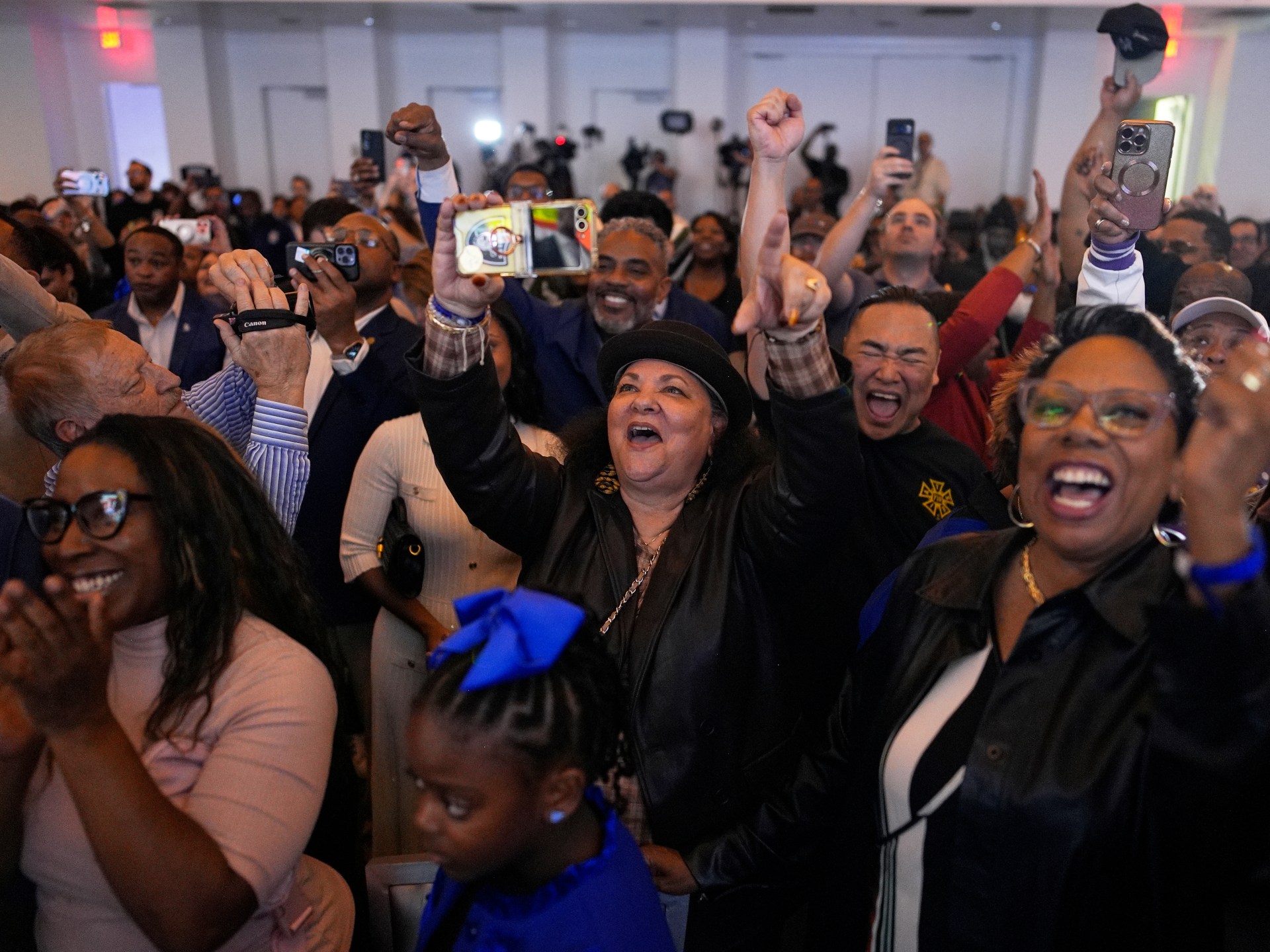
The recent midterm elections in the United States have resulted in a significant shift in power, with the Democratic Party gaining control of both the House of Representatives and the Senate. This outcome has been interpreted by many as a rejection of the policies of former President Donald Trump and the Republican Party. The implications of these results extend beyond domestic politics, influencing how various countries perceive U.S. foreign policy moving forward.
Global Reactions to the Democratic Victory
As the ramifications of the Democratic win begin to unfold, leaders around the globe are reacting with targeted statements reflecting their nations’ interests and concerns.
Iran
Iran’s Parliament Speaker, Mohammad Bagher Ghalibaf, interpreted the election results as a clear message against conflict, stating, “Americans said NO TO WAR, and we endorse this message.” Ghalibaf cautioned against potential betrayals of public sentiment by the U.S. government, implying serious consequences if the government prioritizes international obligations over its citizens’ wishes. Meanwhile, Iran’s Supreme Leader Mojtaba Khamenei maintained that Washington’s “hostility” towards Iran would not change with the new congressional leadership.
Israel
The Israeli political landscape is also feeling the effects of the U.S. election. Although Prime Minister Benjamin Netanyahu has yet to respond, opposition figures are vocal about the implications. Yair Golan, a member of the opposition, stated that the U.S. election demonstrates growing toxicity surrounding Netanyahu among U.S. lawmakers, warning of potential international isolation for Israel if current policies continue.
European Union Reactions
Officials within the European Union expressed cautious optimism following the election results. Christel Schaldemose, Vice President of the European Parliament, articulated hope that Democratic control could lead to enhanced support for pivotal issues such as assisting Ukraine and advancing green initiatives. She emphasized that the EU must continue to assert its independence in global affairs.
United Kingdom’s Position
British Health Minister James Frith reassured that the U.S.-U.K. alliance remains robust despite the changing political landscape in America. He emphasized the continuity of the bilateral relationship, highlighting that the underlying ties between the nations remain unchanged.
France’s Observations
French Finance Minister Roland Lescure remarked that the dynamics of U.S. foreign policy under Trump’s leadership would be crucial to monitor. He indicated that voter reactions regarding rising gasoline prices could lead to strategic adjustments in Trump’s policies.
Spain’s Perspective
Spanish Prime Minister Pedro Sanchez viewed the Democratic win as a sign of the declining influence of the global far right. He suggested that U.S. voters’ choices reflect a broader rejection of toxic politics and could set a tone for upcoming elections in Spain.
Greece’s Assurance
The Greek government indicated that U.S.-Greek relations are expected to remain stable regardless of the electoral outcome, asserting that longstanding strategic partnerships will continue uninterrupted.
Russia’s Cautious Stance
In Russia, Deputy Foreign Minister Sergey Ryabkov noted the necessity of waiting for the full election results before assessing their impact on U.S.-Russia relations, suggesting that the Democratic Party’s stance towards Moscow is generally unfavorable.
China’s Response
The Chinese Foreign Ministry expressed that despite the electoral outcomes, China remains committed to maintaining a constructive relationship with the U.S., framing the elections as a purely domestic matter.
Japan’s Commitment
Japan’s Chief Cabinet Secretary Minoru Kihara reaffirmed that the Japan-U.S. alliance remains a cornerstone of Japan’s foreign policy, asserting its importance amid global uncertainties.
South Africa’s Take
President Cyril Ramaphosa described the election results as heralding a “new era in world relations,” implying a shift that could potentially reframe international diplomatic engagements.
Conclusion
The outcome of the U.S. midterm elections will likely have a lasting impact on international relations, with various nations assessing how this shift affects both bilateral relations and global dynamics. As leaders react to this new political climate, the emphasis on cooperation, economic relations, and peace will be crucial in shaping future interactions.