


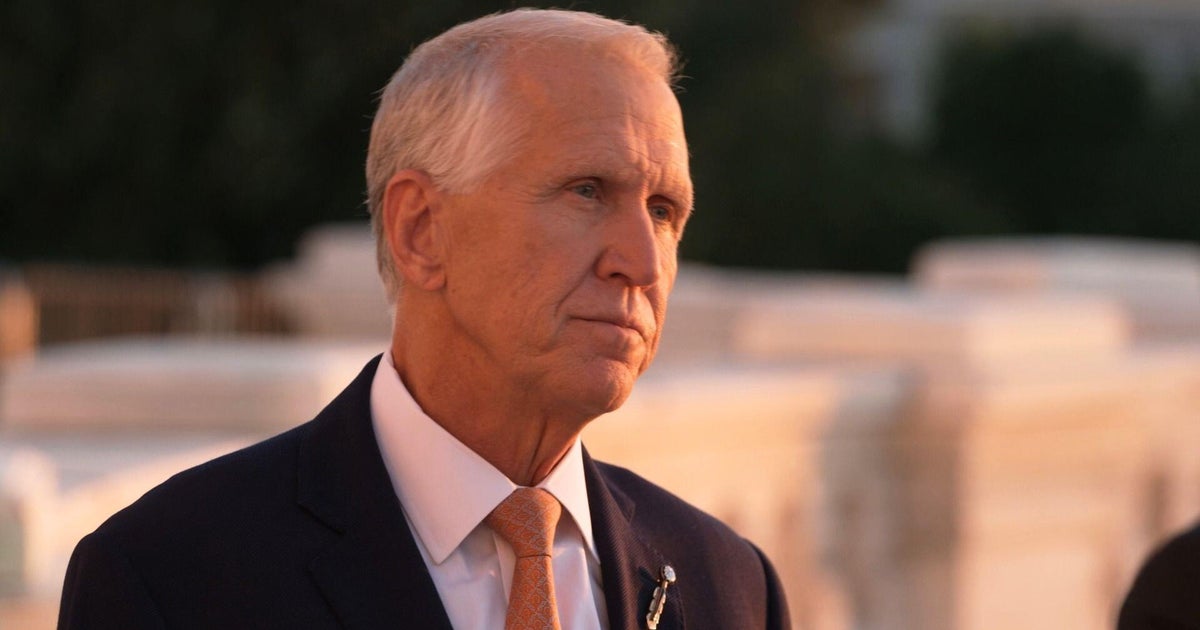
Sen. Thom Tillis Critiques Executive Power in New Book
As Senator Thom Tillis concludes his tenure in the Senate, he expresses concerns over the growing influence of executive power under President Trump, characterizing many of the president’s advisers as “sycophants.” This statement prompts Tillis to urge his Senate colleagues to reaffirm their roles as a co-equal branch of government.
Reflections on Governance and Accountability
In his recently published book, How to Lose Friends and Antagonize Presidents, Tillis reflects on his experiences spanning the Obama, Trump, and Biden presidencies. The veteran senator, at 66 years old, articulates a rising apprehension regarding the erosion of checks and balances, asserting, “We will have a sort of dictator king if we’re not careful.”
The Challenge of Executive Orders
Tillis critiques the tendency for recent administrations to govern via executive orders, a practice that has intensified during Trump’s presidency. He raises alarms about a collective failure to acknowledge Congress as an equal partner in governance, stating, “We always make the mistake when our guy’s in office of conveying power to the White House.”
This dynamic, according to Tillis, leads to a dangerous precedent where power is centralized, potentially jeopardizing democratic norms. He emphasizes the importance of checks and balances, remarking, “I want all three branches to have their individual role and continue to check power as they have for 250 years.” He also expresses his belief that Americans may underestimate how swiftly democracy can deteriorate if not actively defended.
Tillis’s Political Journey
First elected in 2014, Tillis has navigated the tumultuous political landscape transformed by Trump’s populist movement. He maintains his conservative principles—supporting the Second Amendment, championing life, and advocating for limited government and fiscal responsibility. However, he distinguishes himself from those he labels “true conservatives” by noting, “I got a long list of things that were ratified and they don’t.”
Rising Tensions with the Trump Administration
Tillis’s departure from the Senate follows escalating tensions with the Trump administration. The pivotal moment arose in June 2025 when he declared opposition to Trump’s One Big Beautiful Bill Act, arguing it would adversely affect low-income constituents in North Carolina. In response, Trump labeled Tillis as “a talker and complainer, not a doer,” and hinted at a potential primary challenge.
Amid this strain, Tillis conveyed a sense of resignation regarding his position, choosing to retire rather than face a re-election battle. He remarked, “I respect the president. I still feel like we have an odd relationship, where I’ve clearly made him angry.”
Continuing Political Engagement
Despite exiting Washington, Tillis remains vocal, advocating for key changes within the administration. He recently suggested that Trump consider replacing Defense Secretary Pete Hegseth, expressing regret over his prior support during the confirmation process. He labeled this as his “biggest regret” and critiqued Hegseth’s military strategy.
Addressing January 6 and Its Aftermath
Reflecting on the January 6 Capitol attack, which he condemned as “despicable,” Tillis grappled with the implications of political violence in the U.S. He articulated concerns about potential unrest should Trump-endorsed candidates falter in future elections, stating, “I think there’s a risk. I really do.”
Looking Ahead: A Cautionary Outlook for Republicans
Tillis anticipates significant challenges for Republican candidates in upcoming elections, predicting an “electoral bloodbath” driven by voters’ concerns over daily affordability issues. He indicated that many of his GOP peers privately share reservations about Trump’s conduct but hesitate to voice them publicly due to fears of retribution.
In his book, he reveals that at least 30 Republican senators have confided their concerns regarding Trump, yet many choose silence to avoid jeopardizing their political futures. Tillis concluded with a sobering message: “There were probably a few instances where if [you] kind of ripped the bandaid off early, then I think we’d have had a lot better midterm environment than we’re confronted with now.”
