


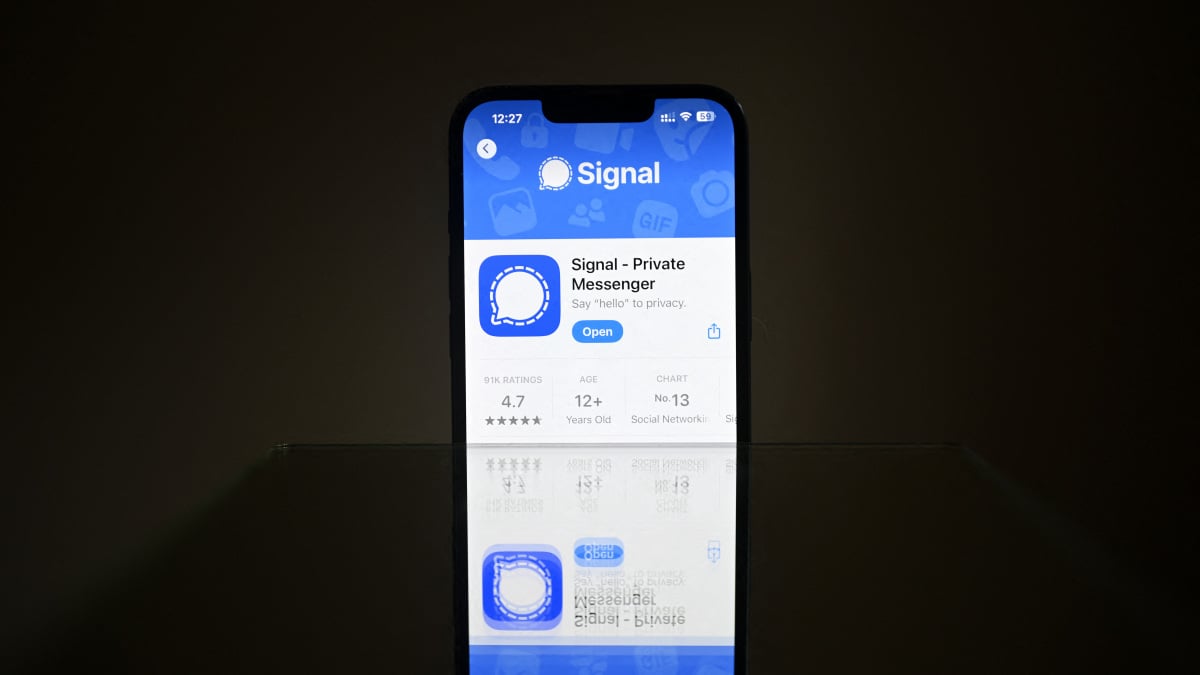
Signal Expands Privacy Measures Against AI Assistants
In the digital age, screenshots are a common way to save important information, from dinner reservations to messages from friends. However, advancements in artificial intelligence (AI) are raising concerns about privacy, particularly with the integration of AI assistants like Meta’s Muse and Apple’s Siri, which can utilize screen content to perform tasks such as scheduling calendar events.
New Privacy Protocols Introduced by Signal
To address these growing concerns, Signal, a nonprofit messaging platform renowned for its commitment to end-to-end encryption, has announced new measures that limit the visibility of its content to AI assistants. On November 20, the organization revealed that it would block screenshots on iPhones operating with iOS 27 and restrict AI screen capture functionalities on various Android devices.
Default Settings for Enhanced Security
For iPhone users on iOS 27, Signal comes with a default feature called “Block Siri AI,” designed to prevent Siri from accessing the app’s content. Similarly, on compatible Android devices, Signal will automatically enable a “Screen Security” feature when it detects an AI assistant attempting to read information displayed on the screen. Users can opt to deactivate these settings in Signal’s app preferences, but doing so risks exposing the content of their encrypted conversations to AI systems.
Credit: Screenshot: Signal’s blog post
The Importance of User Privacy
Meredith Whittaker, President of Signal, emphasized the organization’s core mission in a recent blog post, stating, “Privacy is our mission; it’s why we exist, and we do everything we can to protect it.” This commitment reflects Signal’s intention to safeguard user conversations from potential intrusions by AI assistants.
Understanding AI Access to Encrypted Messages
End-to-end encryption is designed to keep messages confidential during transmission between users. However, if an AI assistant has access to notifications or can read on-screen text, it may gain insight into these messages. Signal indicates that once the text is available to an AI assistant, they cannot control whether that information is processed locally or transmitted to external servers.
Real-World Implications of AI Access
A recent incident reported by Reuters highlighted this concern when a Meta employee received a reminder from Muse to respond to a message on Signal. The employee expressed unease, questioning how the assistant had accessed their private information without explicit permission. Further investigations by Reuters, in collaboration with Signal and the AI Now Institute, uncovered that Muse was able to access message text through notifications and utilize accessibility tools to read chats on a Mac, with permissions granted during setup.
Call for Transparency from Tech Giants
Whittaker also raised the issue of accessibility tools, which aid those with disabilities in using technology. She warned that these tools, if given broad permissions, could inadvertently provide extensive access to AI systems, likening them to a “skeleton key.” To enhance user safety, she urged major technology firms like Apple, Google, and Microsoft to clarify the extent of access their assistants possess and to offer developers mechanisms to restrict this access.
Conclusion
The actions taken by Signal to restrict AI access exemplify the ongoing battle for privacy in an increasingly data-driven world. As users become more aware of the implications of AI on their personal information, it is crucial for messaging platforms to prioritize user security without compromising functionality.
