


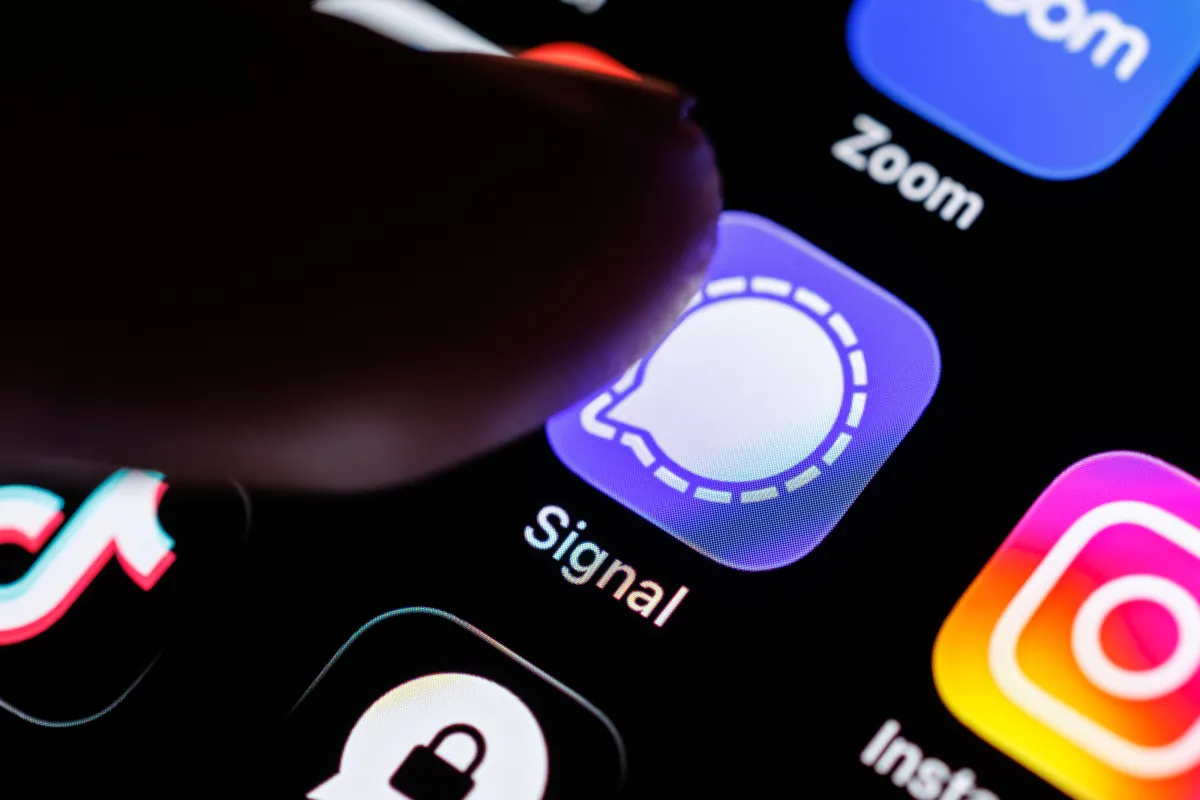
Signal Imposes Screenshot Limitations in Response to AI Privacy Concerns
In a recent announcement, Signal has revealed new measures to protect user privacy by limiting screenshot capabilities within its messaging application. This decision comes as a direct response to concerns over the integration of agentic AI in operating systems, a trend that Signal’s President Meredith Whittaker describes as an “existential threat” to privacy.
Privacy Under Siege: The Role of AI Agents
Whittaker stated that allowing AI agents to “scan” user screens through popular operating systems like Windows, Android, and macOS/iOS significantly jeopardizes Signal’s ability to ensure user privacy. According to her, these developments compromise the integrity of secure communications:
“Now, in service of AI agentic capabilities, your sensitive data is being captured, stored, and made accessible to whatever local database or remote server an OS-level AI agent is using at that moment.”
New Restrictions on Screenshot Functionality
Previously, Signal had already taken steps to mitigate these risks by disabling screenshot functionality in its Windows app by default. The company is now extending similar limitations to its Android and iOS applications.
User Control and Privacy Implications
While Signal is implementing these privacy-focused restrictions, users retain the option to disable the screenshot blocking feature if they choose. Whittaker has cautioned that doing so would “break our privacy guarantees.” She acknowledged that these restrictions are not a comprehensive solution:
“This is an incomplete solution, as it doesn’t address other more sneaky ways AI agents could potentially access application data.”
Conclusion
As concerns about privacy in the age of AI continue to grow, Signal’s new measures reflect a proactive approach to safeguarding user information. By limiting screenshot capabilities, the messaging app aims to enhance the security of its platform, despite the challenges presented by evolving technology.
