


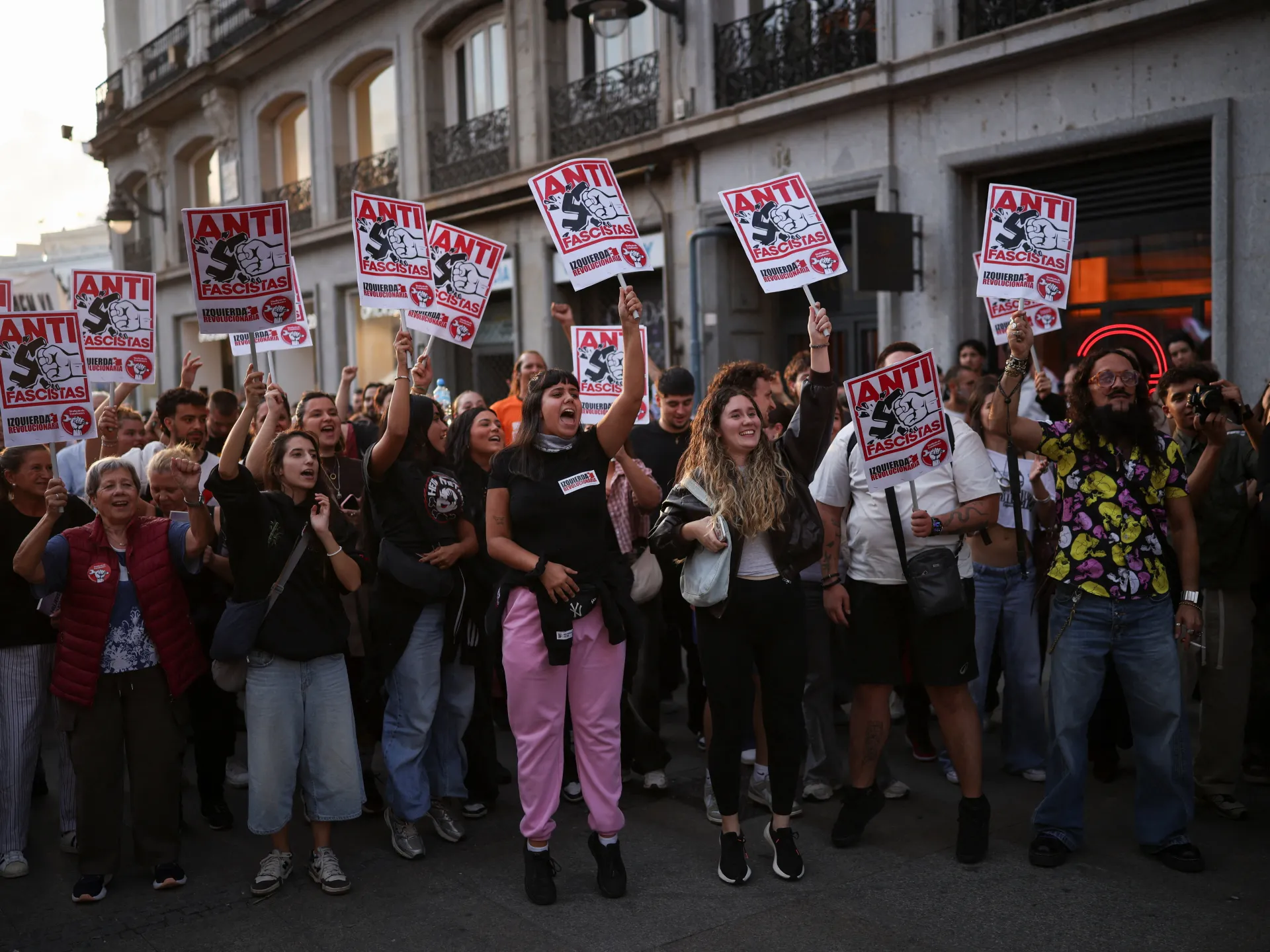
Widespread Protests Erupt in Spain Over Housing Crisis
Tens of thousands of Spaniards have taken to the streets in recent demonstrations sparked by the conservative-led parliament’s dismissal of proposed housing reforms. The contentious issue gained attention after the eviction of an elderly woman from her long-term home, igniting public outrage and leading to protests across the nation.
Background on the Housing Crisis
The protests began in response to the eviction of 87-year-old Maria del Carmen Abascal from her residence of 70 years in Madrid. Her situation highlights the broader issue of housing instability fueled by rising rents and aggressive market strategies from large investment funds. Following her eviction, which involved a more than 200% rent hike, citizens have rallied, demanding urgent government intervention.
Parliamentary Developments
On a recent Friday, Spain’s legislative body rejected two emergency decrees introduced by Prime Minister Pedro Sanchez’s left-wing coalition, designed to address the ongoing housing affordability crisis. The first decree aimed to:
- Prevent evictions of vulnerable tenants
- Impose stricter regulations on short-term rentals
- Encourage renting and housing construction through tax incentives
The second decree sought to establish automatic lease renewals, effectively making leases indefinite. To terminate a contract, landlords would need to provide compensation equivalent to 12 months of rent. Yet, despite Sanchez’s passionate plea for lawmakers to prioritize tenant well-being, the measures were ultimately dismissed.
Political Reactions and Future Implications
Key parties opposed to the decrees included the Popular Party and Vox, along with the right-wing Catalan separatist party Junts. They argued that the regulations would deepen the crisis by pushing property owners out of the rental market. “If they really wanted to protect people, collar the vulture funds, and reactivate housing, they would have already done it. They’ve had eight years,” stated Junts representative Miriam Nogueras.
Spain’s political environment is now rife with speculation that the protests may prompt Sanchez to consider calling snap elections as early as November, even though the current legislative term concludes in the summer of 2024. According to sources, conservative leaders are urging for immediate elections, asserting that Sanchez lacks support both in parliament and among the public.
Public Response and Ongoing Protests
Grassroots movements have gained momentum since the protests began, fueled by frustration over escalating rental rates and insufficient protective measures for tenants. The average rent in Spain has nearly doubled over the past decade, leading to heightened demands for accountability from elected officials.
Participants in the protests expressed a common sentiment regarding the government’s inaction. “It only proves that it is us, the people, who have to adapt to the political parties and not the politicians to what the people want, and this can’t go on like that,” commented a protester in Madrid.
While many demonstrations have remained peaceful, clashes occurred in cities such as Valencia, where police resorted to rubber bullets and tear gas to disperse crowds. In Madrid, tensions escalated with far-right groups attempting to confront protestors, resulting in police intervention and arrests.
The Road Ahead
The implications of the housing crisis are far-reaching, as it is inextricably linked to political sentiments in Spain. Analysts suggest that housing challenges could impede Sanchez’s support base, particularly among younger, educated voters. Notably, Spanish citizens generally favor homeownership, complicating the government’s approach to expanding rental markets.
As the situation unfolds, housing will likely remain at the forefront of national dialogue, influencing not only public protests but also future electoral dynamics.