


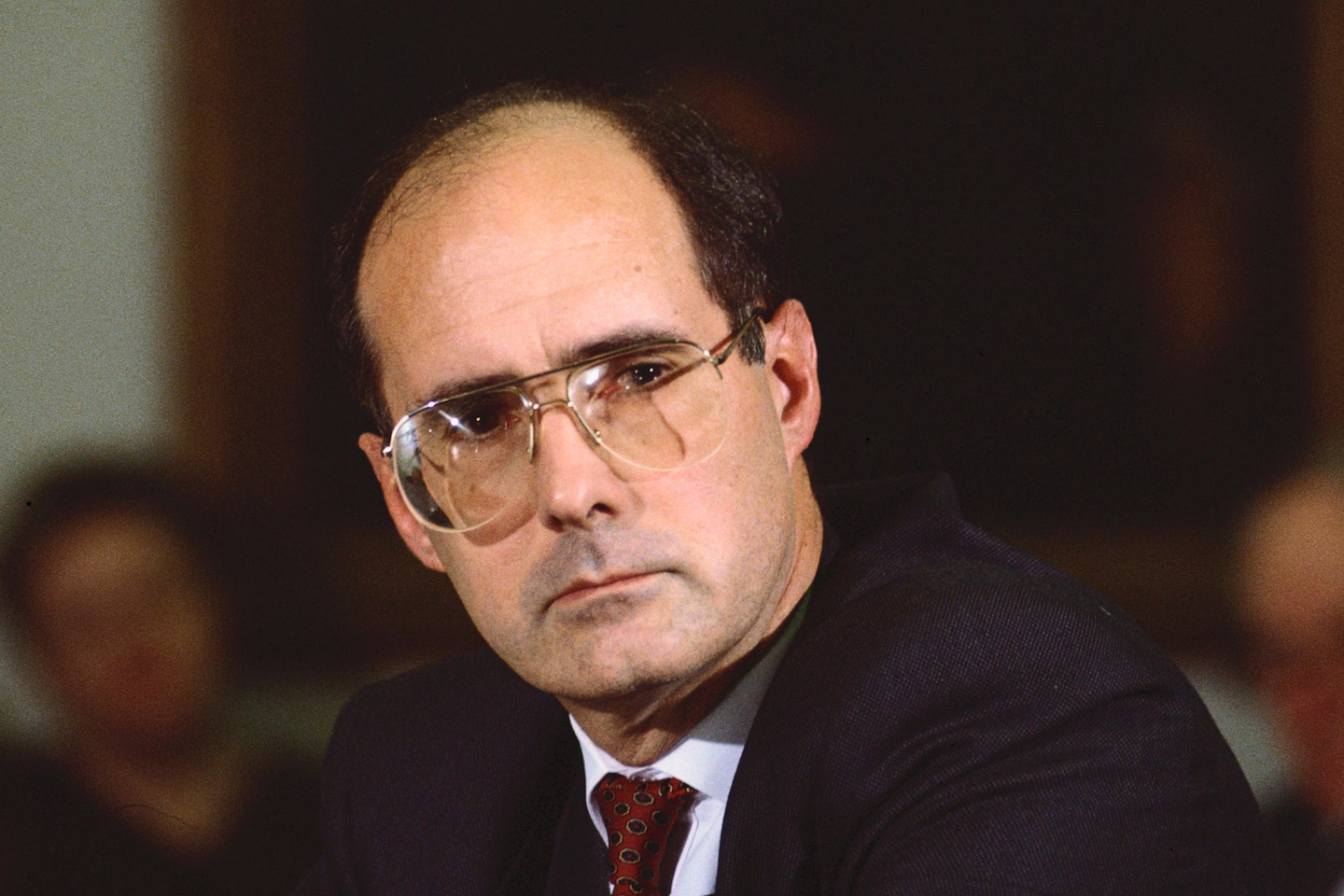
The Intersection of Literature and Politics: Strobe Talbott’s Translation of Khrushchev’s Memoir
A Critical Academic Pursuit
In the early 1970s, Strobe Talbott was immersed in his academic work at the University of Oxford, focusing on Russian literature for his dissertation. During this pivotal time, an unexpected opportunity arose that would bridge his scholarly interests and journalistic endeavors.
Translation Opportunity
Having previously interned with Time magazine in Moscow, Talbott was approached by the publication to undertake a significant task: translating the memoir of Nikita S. Khrushchev, the former premiere of the Soviet Union. This memoir, pivotal in its content and clandestinely obtained, offered insights into the inner workings of Soviet politics.
Impact of the Translation
The memoir had been smuggled out of the Eastern Bloc, making Talbott’s role as a translator critical, not only for the publication but also for wider Western understanding of Soviet leadership during a tumultuous period in history. His work contributed to the dissemination of knowledge about Soviet policies and the personal reflections of one of its most notable leaders.
Conclusion
This unique intersection of academic research and journalistic practice not only propelled Talbott’s career but also underscored the importance of literature as a tool for political and historical awareness. The translation served as a window into the complexities of Cold War dynamics, illustrating how personal narratives can illuminate broader socio-political themes.
