


Tether CEO Addresses Senate Report and Commitment to Security
During the recent DC Fintech Week, Tether’s CEO, Paolo Ardoino, participated in a remote address where he discussed the implications of a Senate report concerning Tether’s operations. His remarks, delivered last Tuesday, underscored his concerns regarding the report’s preemptive media release, which he felt did not allow his company adequate time for a thorough review.
Importance of Transparency
In his speech, Ardoino emphasized the necessity for the public to understand Tether’s perspective. “I believe it’s important for the public also to hear our side of the story,” he stated, advocating for clarity in the dialogue surrounding his company’s practices.
Efforts Against Misuse
Ardoino highlighted Tether’s ongoing commitments to eliminating bad actors from its platform, asserting that “Our aim is to push out the bad actors from USDT.” He expressed concern that the identified bad actors have begun to explore alternative, less regulated means of transaction outside U.S. jurisdiction.
Despite the challenges outlined in the Senate report, Ardoino iterated that Tether’s efforts are ongoing. “This work is not finished,” he remarked, expressing satisfaction with the company’s current trajectory: “I wake up in the morning and I look at myself in the mirror, and I know that we’re doing the right thing.” His remarks convey a strong sense of determination to maintain integrity within the cryptocurrency space.
Senate Report Findings
The Senate report, which examined Tether’s practices over several years, took particular note of the company’s failure to adequately freeze wallets flagged for suspicious activities prior to 2024. The report stated, “This absence of deterrence invited abuse: Terrorist organizations such as Hamas shifted from transacting in bitcoin and a mix of cryptocurrencies to promoting USDT.”
Ongoing Investigations
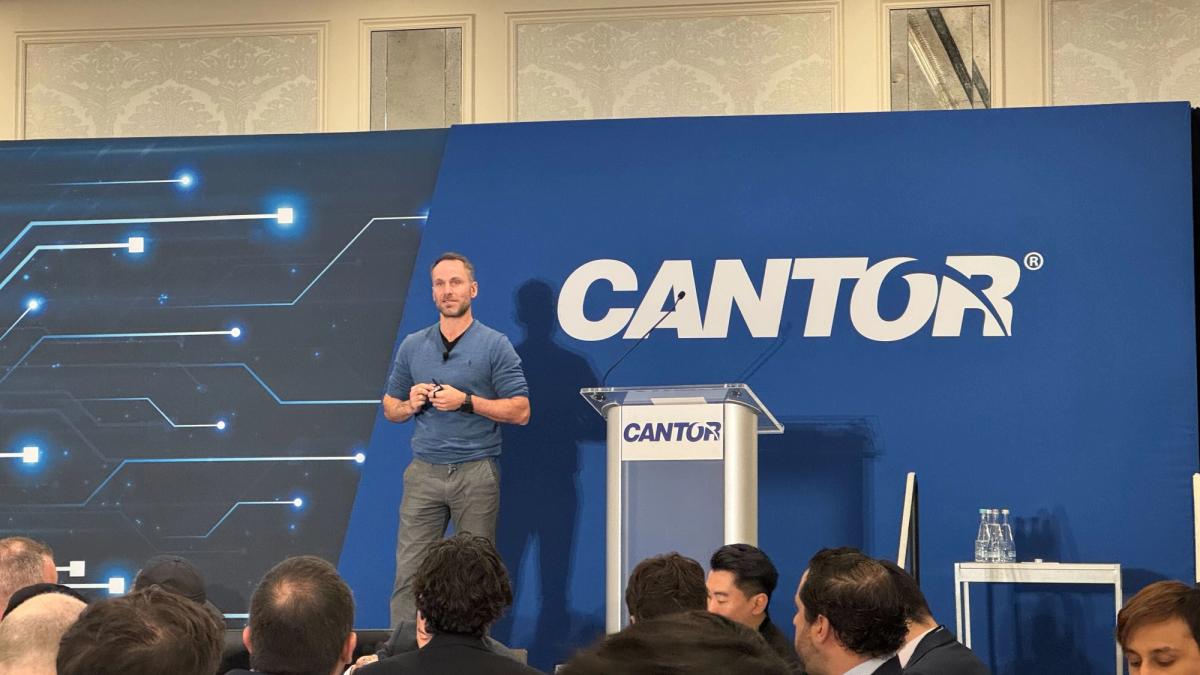
In addition to the scrutiny surrounding Tether’s operational practices, Senator Richard Blumenthal has sought to investigate Tether’s relationship with its U.S. financial partner, Cantor Fitzgerald, which maintains connections to the administration of former President Donald Trump. Notably, Tether recently appointed Bo Hines, a former White House advisor on cryptocurrency, as the CEO of its U.S. division, further drawing attention to its political affiliations.
Conclusion
As Tether navigates the complex landscape of regulatory scrutiny and public perception, Ardoino’s comments reflect the company’s steadfast commitment to enhancing security protocols and addressing misuse effectively. His stance emphasizes the balancing act required in the rapidly evolving world of cryptocurrency.
