


Wake County’s Waste Dilemma: Addressing Food Waste and Landfill Capacity Concerns
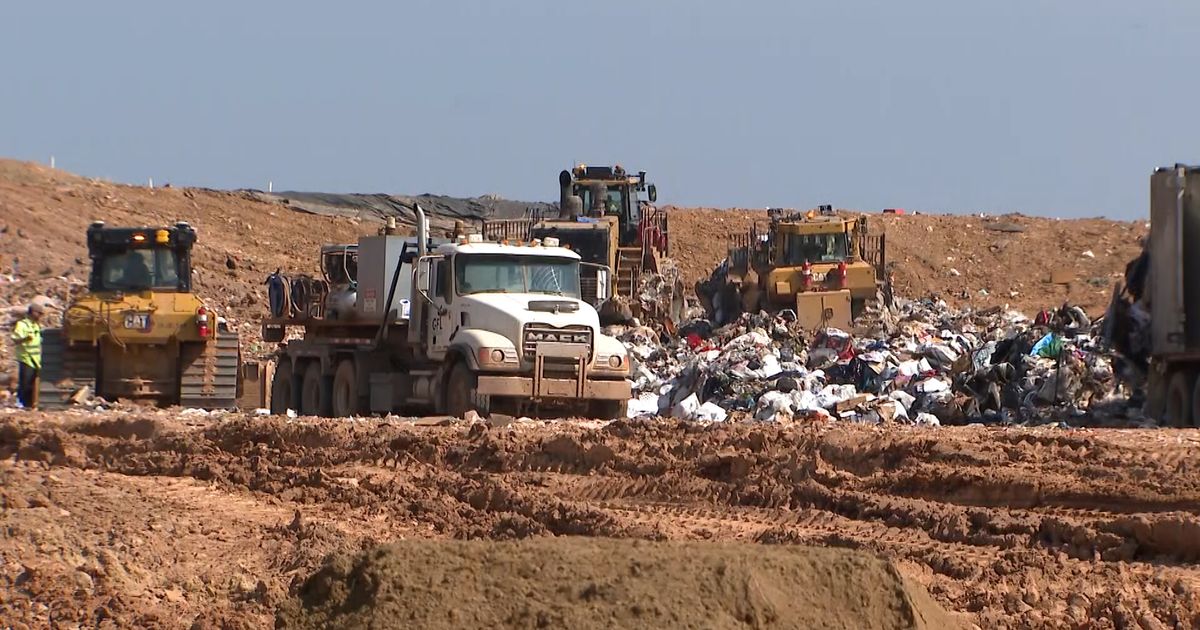
As Wake County grapples with an impending waste crisis, the South Wake Landfill, which opened in 2008, is projected to reach its capacity by 2040. Current practices put a considerable amount of waste into this landfill, much of which could be composted instead.
The Current Waste Challenge
A 2019 study revealed that over 40% of the refuse generated by single-family households in Wake County is comprised of compostable materials, such as food scraps, yard waste, and specific paper items. This issue exacerbates during the holiday season, when food waste surges as families gather for celebrations. According to Bianca Howard from Wake County Solid Waste, “Both garbage and recycling tend to go up between Thanksgiving and New Year’s Day.”
In response to the increased waste generation during the holidays, Wake County is implementing measures to manage food scraps more effectively, including the introduction of additional food scrap collection bins at various drop-off points.
The Environmental Impact of Food Waste
Food waste poses significant environmental challenges. Organic materials like potato peels and leftover turkey contribute to methane emissions when decomposing anaerobically in landfills. Methane is a potent greenhouse gas with a heat-trapping ability over 80 times greater than that of carbon dioxide within a 20-year frame. Howard noted that food waste represents over a quarter of the material sent to the South Wake Landfill.
Across the nation, food waste is responsible for approximately 58% of the methane produced from municipal landfills, as reported by the U.S. Environmental Protection Agency. While the South Wake Landfill has systems in place to capture some of this methane for energy production, not all emissions are captured, particularly from areas where food waste decomposes rapidly.
The Future of Waste Management in Wake County
As the South Wake Landfill nears its limit, the question of where Wake County’s waste will go looms large. Howard mentions, “We don’t know where our waste is going to go after that, but we do know anything we do with our waste in the future is going to cost more than it costs today.” Reducing the amount of compostable and recyclable materials sent to the landfill could prolong its life and provide more time for a sustainable waste disposal solution to be developed.
Strategies for Reducing Food Waste This Thanksgiving
Taking proactive steps to minimize food waste not only conserves resources but also lessens the carbon footprint associated with food production and transportation. A survey conducted by the nonprofit ReFED found that nearly 90% of hosts tend to prepare more food than necessary during Thanksgiving. Here are some effective strategies to curb waste:
- Plan Portions: Utilize meal planning tools to gauge the right amount of food based on guest numbers.
- Shop Your Kitchen First: Assess your refrigerator and pantry before grocery shopping.
- Send Guests Home with Leftovers: Encourage celebrations to include reusable containers for taking food home.
- Repurpose Leftovers: Consider transforming turkey into soups or sandwiches.
- Utilize Your Freezer: Freeze any leftovers that won’t be consumed within a few days.
- Collect Food Scraps: Keep a composting container accessible while cooking.
The U.S. Department of Agriculture also advises that perishable leftovers should be refrigerated within two hours and consumed within three to four days or frozen for later use.
Composting Options in the Triangle
Residents of Wake County can engage in food scrap collection without needing a personal compost bin. Various communities in the Triangle region offer free food scrap collection services, which can accommodate materials unsuitable for backyard composting, such as turkey bones and dairy products. Some notable options include:
- Wake County: Free food scrap collection at selected convenience centers and local farmers markets.
- Cary: Collection sites are available at the Citizen’s Convenience Center and Mills Park.
- Durham: Offers a drop-off composting program for food waste.
- Wake Forest: Access food waste collection through the CompostHere app.
- Morrisville: Provides food scrap collection at designated municipal drop-off sites.
- Orange County: Free collection available at various farmers markets and waste centers.
Private companies, such as CompostNow, also offer residential food scrap collection services for a fee.
Eliminating food waste from our landfills is crucial for extending their lifespan and devising sustainable waste management solutions. As Howard succinctly puts it, “The more we divert waste from this landfill, the longer we’re able to use this landfill and help buy us time to come up with the best solution for our waste in the future.”
