


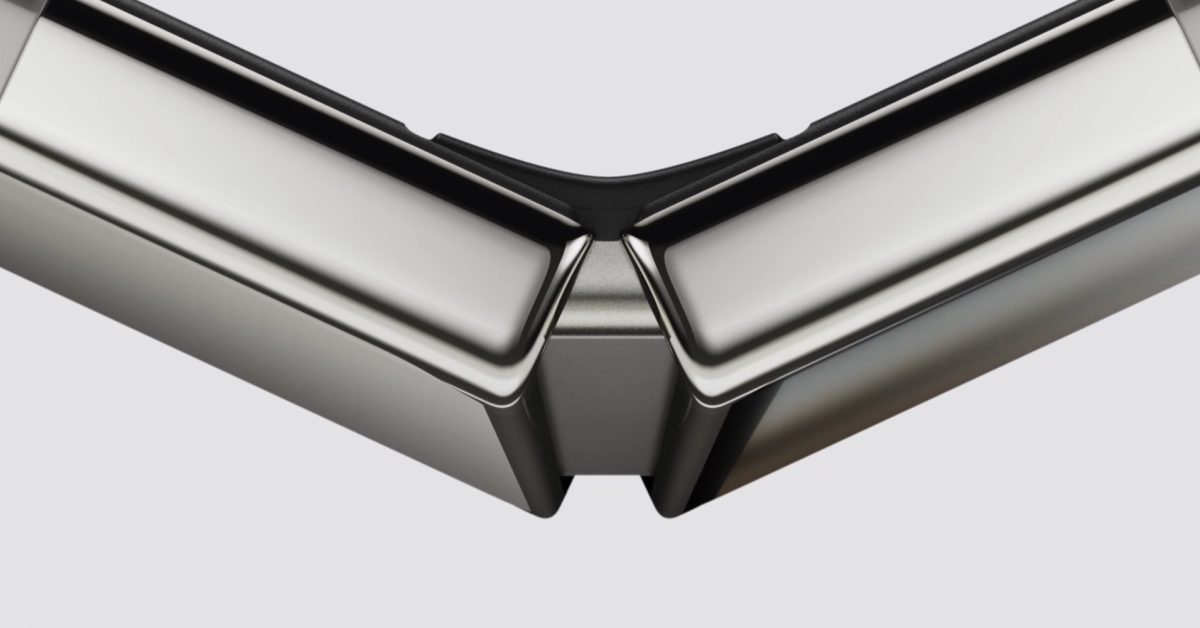
The introduction of the iPhone Duo has brought forth unique engineering challenges, particularly in thermal management. Apple’s thermal engineering team has crafted a solution centered around the device’s hinge, which enhances its heat dissipation capabilities.
Innovative Use of a Flexible Graphite Pipe
In a recent dialogue with PCMag, Apple executives Dan Murray, the Vice President of Silicon Engineering, and Banafsheh Barabadi, Senior Manager of Thermal Product Design, delved into the technical aspects of the new A20 Pro chip. This chip powers the latest iPhone models, including the iPhone 18 Pro, iPhone 18 Pro Max, and the iPhone Duo.
The A20 Pro represents Apple’s first venture into semiconductor manufacturing using a 2 nm process, previously used in the M6 chip for the Mac mini. Notably, the Duo variant of the A20 Pro chip features enhancements, allowing for dual display management, vital for the device’s functionality.
“For iPhone Duo, we added a second display engine to support simultaneous operation of the inner and outer displays,” claimed Murray. “With the increased CPU and GPU performance, we ensure we can deliver a smooth user experience across the displays. For the inner display, we also added support for placing the FaceTime camera behind the display.”
This in-depth examination also highlighted the iPhone Duo’s innovative thermal management system, especially essential with a folding design that poses unique challenges in controlling heat. One standout solution is the utilization of a flexible graphite pipe routed through the hinge, allowing heat transfer between the two parts of the device.
Thermal Engineering Breakthroughs
Apple has introduced what they refer to as “metal over foam,” a material described by Barabadi that effectively bridges the A20 Pro chip and its vapor chamber, ensuring effective heat dissipation while meeting strict mechanical criteria. This development was a significant undertaking, requiring meticulous refinement of material properties over months.
“We call it metal over foam,” stated Barabadi. “It basically creates a direct thermal and mechanically compliant coupling between the SoC and the vapor chamber. It is highly effective in removing the heat, meeting the strict mechanical requirements of the system.”
The design of the flexible graphite pipe is particularly noteworthy as it enhances the iPhone Duo’s thermal performance while accommodating the device’s folding mechanism. Barabadi described it as one of the most technically demanding aspects of the project, necessitating close collaboration between the thermal and mechanical teams.
“This was one of the most technically challenging aspects of our design,” commented Barabadi. “We routed a flexible graphite pipe through the hinge to transfer heat between the two halves, thereby increasing the surface area available for heat dissipation.”
In conclusion, Apple’s innovative engineering strategies through the A20 Pro chip and associated thermal management techniques not only enhance the usability of the iPhone Duo but also set a precedent for future designs in mobile technology.
Explore More on Amazon


FTC: We use income earning auto affiliate links. More.
