


Understanding the Cost Differences Between the Mac Mini and MacBook
Introduction
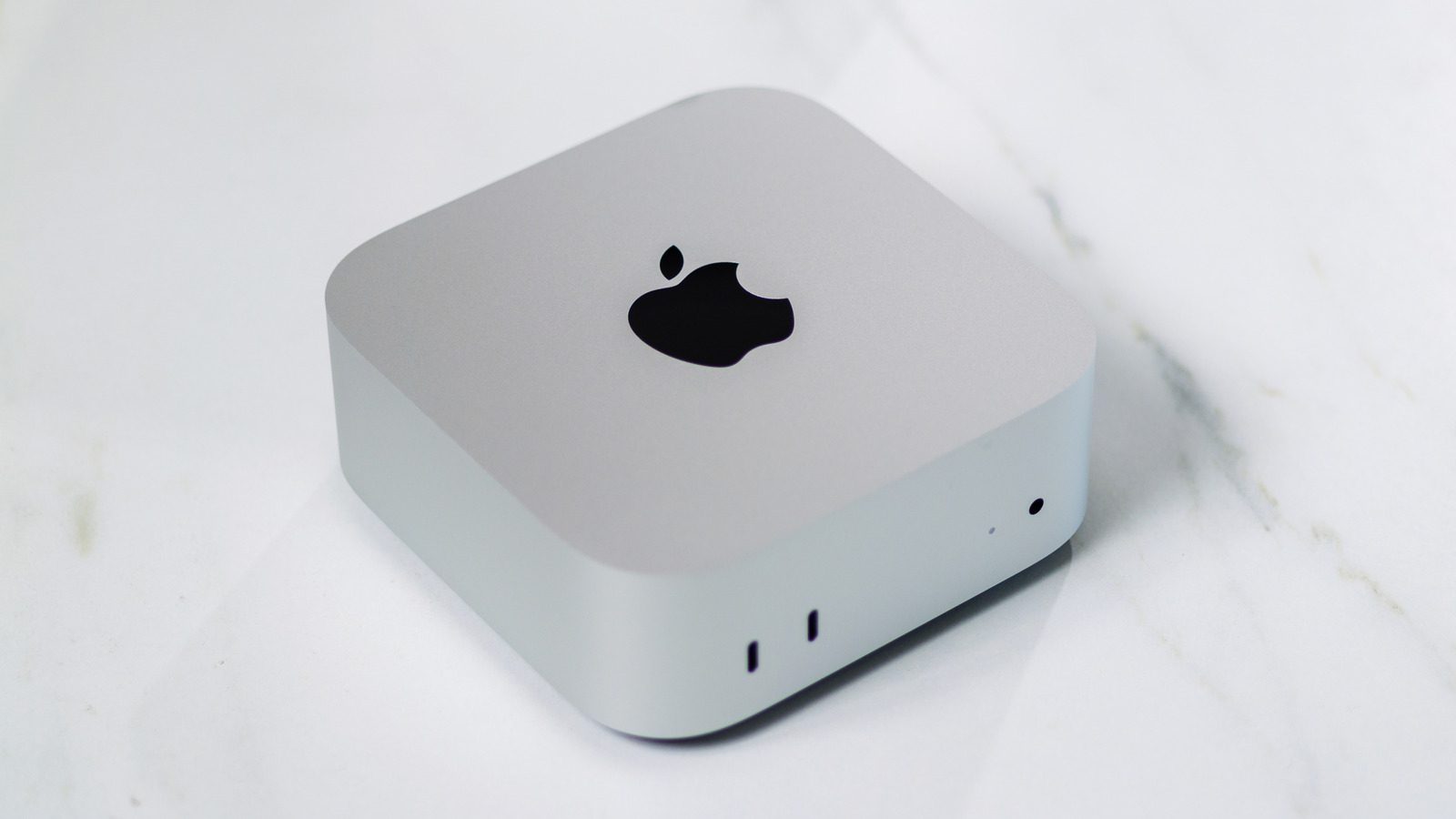
The Mac mini has long been regarded as one of Apple’s most affordable computing options. With recent updates, including Apple’s new M6 processor, it remains a strong contender for users seeking a reliable desktop experience. This article explores why the Mac mini is typically priced lower than a MacBook, while also examining which option might be better suited for various types of users.
The Price Factor: Why is the Mac Mini Cheaper?
Several factors contribute to the lower price of the Mac mini compared to the MacBook lineup:
- No Display: The absence of a built-in display significantly reduces manufacturing costs. A standalone MacBook screen, which includes components like cables and hinges, can be expensive to produce.
- Fewer Included Accessories: The Mac mini does not come with a keyboard, mouse, or trackpad. While this allows for a lower price point, users may incur additional costs if they need to purchase these peripherals separately.
- Absence of Battery: Unlike MacBooks which must incorporate batteries to maintain portability, the Mac mini operates solely on an AC power supply, thus saving on production costs associated with battery technologies.
- Engineering Differences: The engineering requirements for laptops, including compaction and energy efficiency, often drive up costs. The Mac mini can afford to use larger, more conventional cooling systems, which simplifies design and manufacturing.
Comparative Analysis: Mac Mini vs. MacBook
When choosing between a Mac mini and a MacBook, several considerations come into play:
Use Cases
For users who prefer to work on a stationary setup and already have a monitor, the Mac mini excels by offering more connectivity options. It comes with multiple USB-C and Thunderbolt ports, making it an excellent choice for users with numerous peripherals.
Conversely, for those who value mobility or are new to the Apple ecosystem, the MacBook Air presents a compelling option. Although it has a higher starting price, it includes a display, keyboard, and trackpad, which may save money on initial setup for users starting from scratch.
Performance Considerations
While the Mac mini with the M6 processor is overpowered for basic tasks, it shines in demanding applications like video editing or gaming. Users running light applications, however, might not fully utilize the Mac mini’s capabilities.
Upgrade and Configuration Options
Although both options offer a range of configurations, the Mac mini allows for more flexibility in terms of customization. Users can opt for higher RAM and storage capacities that cater to industrial-grade tasks; a top-tier model can reach prices up to $6,800 for maximum configurations.
Conclusion
Ultimately, the choice between a MacBook and a Mac mini depends on individual needs. The Mac mini is a stellar option for users who require a robust desktop experience without the need for a display, while the MacBook caters to those seeking portability and an all-in-one computing solution. Understanding these differences can help prospective buyers make informed decisions that align with their usage patterns and budgets.
